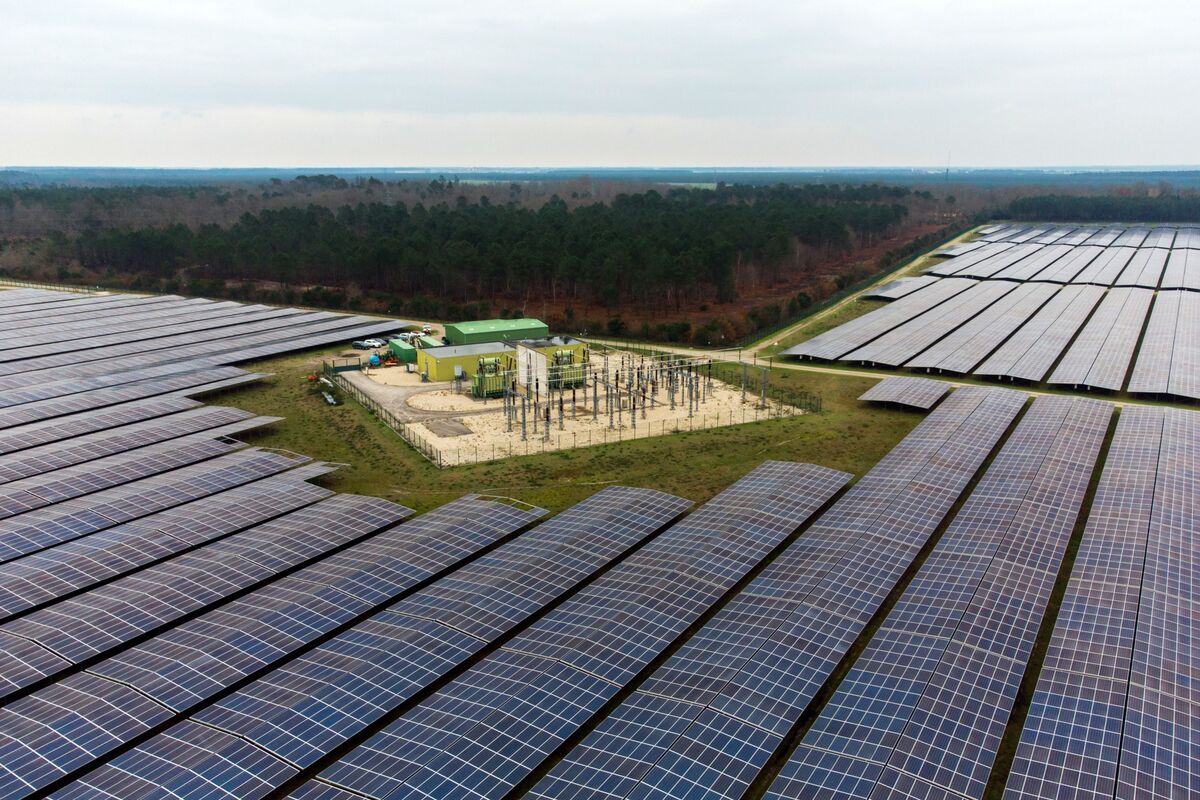
France's power market has experienced 363 hours of negative power prices this year, already surpassing the total for all of 2024, a trend also observed in neighboring Germany and Spain. This significant increase in negative pricing, based on Bloomberg analysis of EPEX Spot SE data, is directly reducing returns for power generation investors and highlights growing challenges to profitability within Europe's electricity sector.
The French power market is exhibiting a significant structural stress, having recorded 363 hours of negative spot prices year-to-date, a figure that already surpasses the total for the entirety of the previous year. This trend is not isolated to France, as neighboring markets in Germany and Spain are experiencing similarly unprecedented levels of negative pricing. The direct and unavoidable consequence is the erosion of returns for investors in power generation assets, as producers are forced to either pay to inject electricity into the grid or curtail output, both of which severely impact revenue streams. This phenomenon points to a growing imbalance between inflexible power supply, likely from a high penetration of renewables, and demand, signaling a fundamental challenge to the profitability and investment thesis for conventional and unhedged power generation across key European markets.
AI-powered research, real-time alerts, and portfolio analytics for institutional investors.
Request DemoOverall Sentiment
moderately negative
Sentiment Score
-0.50
