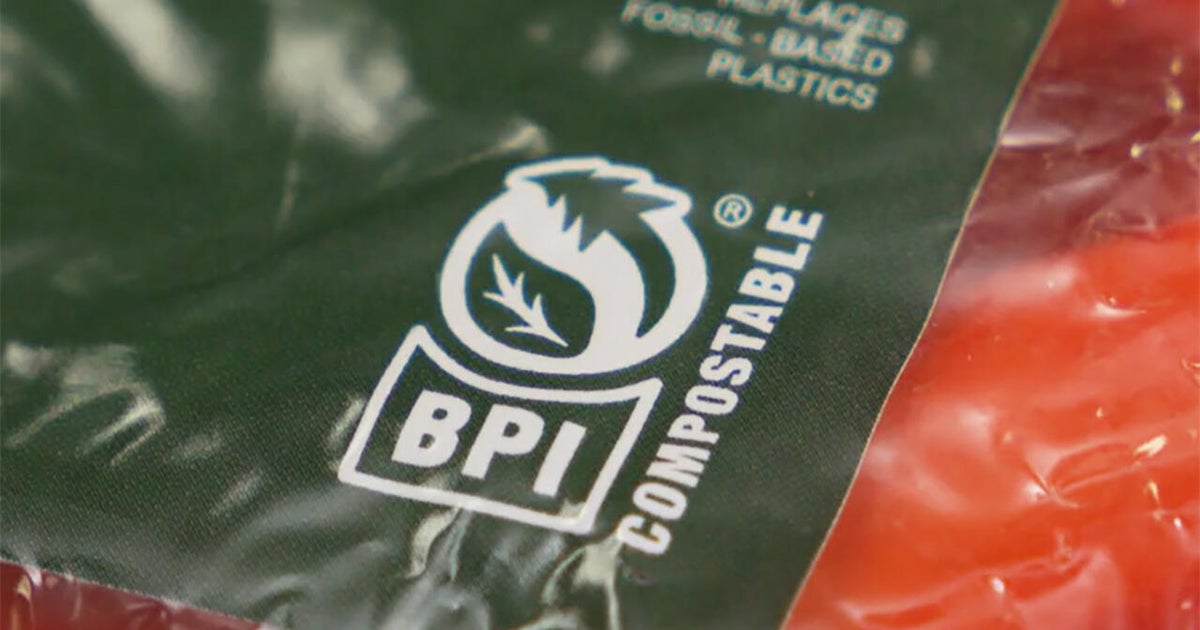
Commercial-scale production of fully compostable, sugar-cane–based plastics (companies cited include CJ Biomaterials and composters like Black Earth Compost) is reducing microplastic risk and creating downstream demand for sustainable packaging and composting services. Conservation programs such as BirdReturns are monetizing ecosystem services by paying farmers to flood roughly 50,000 acres seasonally, providing both ecological benefits and incremental farm revenue. Separately, clinicians report a step-change in AI diagnostic utility—accelerating healthcare productivity while emphasizing a physician-in-the-loop model—suggesting accelerating adoption in medical workflows and potential addressable market growth for AI-health vendors.
Market structure: Compostable plastics, organics-processing and AI-in-healthcare are immediate beneficiaries — think specialized biopolymer producers (private to mid-cap) and infrastructure owners that can scale organics streams. Large cloud/compute providers (AMZN/AWS, MSFT) and GPU vendors (NVDA) gain from rising demand for diagnostic and drug‑discovery models; petrochemical incumbents (DOW, LYB) face gradual price and volume pressure as compostables scale, potentially compressing margins by ~5–15% in affected single‑use segments over 3–5 years.
Risk assessment: Key tail risks are regulatory (FTC/ISO clampdowns on “compostable” claims, EU/US standards) and medical‑liability/regulatory pulls on AI diagnostics (FDA/CMS guidance) that could pause deployments for 6–18 months. Hidden dependencies include sugarcane/biomass feedstock availability and municipal compost infrastructure — widespread adoption requires CAPEX cycles (waste haulers, MRF upgrades) and policy incentives; catalysts include mandates/subsidies or ASTM standard adoption within 3–12 months.
Trade implications: Tactical trade framework: overweight cloud/AI infra (NVDA, AMZN, MSFT) and select waste processors (WM) while mildly underweight commodity plastics producers (DOW, LYB). Use LEAP call spreads on NVDA (12–18 months) to express asymmetric upside from healthcare AI adoption; long WM equities to capture organics EBITDA expansion (expect +3–6% EBITDA contribution over 24–36 months if muni pickup accelerates).
Contrarian angles: Consensus underestimates infrastructure frictions — compostables without municipal pickup are landfill‑bound, so near‑term demand penetration likely <5% of single‑use plastics by 2026 despite hype. Historical parallel: biofuels’ policy-driven boom/bust shows commodity feedstock spikes (sugar/ethanol +10–30%) and political reversals; set trigger levels (e.g., sugar +15% YTD) that would force revaluation of bioplastic winners.
AI-powered research, real-time alerts, and portfolio analytics for institutional investors.
Request DemoOverall Sentiment
moderately positive
Sentiment Score
0.45
Ticker Sentiment
