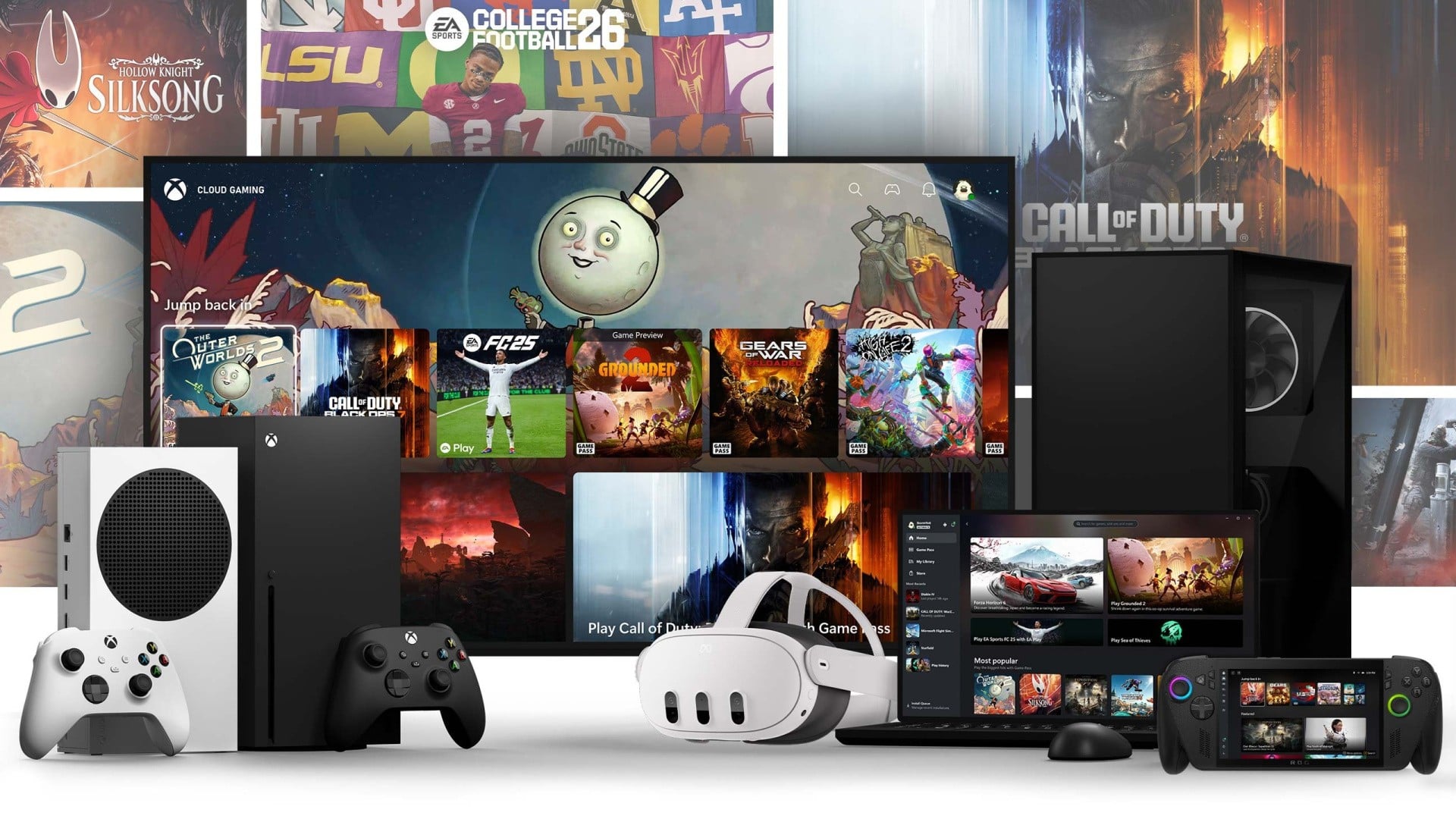
Xbox leadership outlined four strategic priorities: stabilize Gen9 hardware, deliver Project Helix, fortify Game Pass, and return the business to durable growth. The plan also calls for deliberate M&A, stronger first- and third-party partnerships, expanded cloud play, and a re-evaluation of exclusivity and AI. The update is largely strategic and transparent rather than financially quantified, so near-term market impact appears limited.
The strategic signal is less about a product refresh and more about a business-model reset: management is explicitly prioritizing lower-friction monetization, better economics, and a tighter feedback loop between content, distribution, and services. That combination usually favors platforms with the widest install base and the lowest marginal distribution cost, while pressuring smaller ecosystems that rely on exclusivity or one-time hardware-driven demand. The second-order effect is that any move toward broader availability or windowing can improve addressable market and recurring spend, but it also risks diluting the premium that has historically supported console differentiation.
The most important near-term catalyst is not the roadmap itself but whether execution improves engagement and retention metrics over the next 2-3 quarters. If discovery and personalization actually lift content conversion, the upside is disproportionate because even modest improvements in monthly active users and attachment rates can flow through high-margin software and services. Conversely, if the company leans too hard into acquisition-led growth, integration risk rises quickly: studio purchases tend to create a 12-24 month lag before content contributes meaningfully, and they can destroy capital if used to paper over product weakness.
Competitively, this reads as a challenge to the broader gaming ecosystem more than to any single rival. Cloud-native performance and low-cost device support threaten to compress price points across the value chain, benefiting consumer hardware partners that can scale distribution, but potentially squeezing dedicated console economics and retail channel leverage. The contrarian read is that investors may overestimate how much strategic clarity alone can fix; the harder problem is not vision, it is shipping coherent products fast enough to change user behavior before the market already prices in the turn.
AI-powered research, real-time alerts, and portfolio analytics for institutional investors.
Request TrialOverall Sentiment
mildly positive
Sentiment Score
0.20
