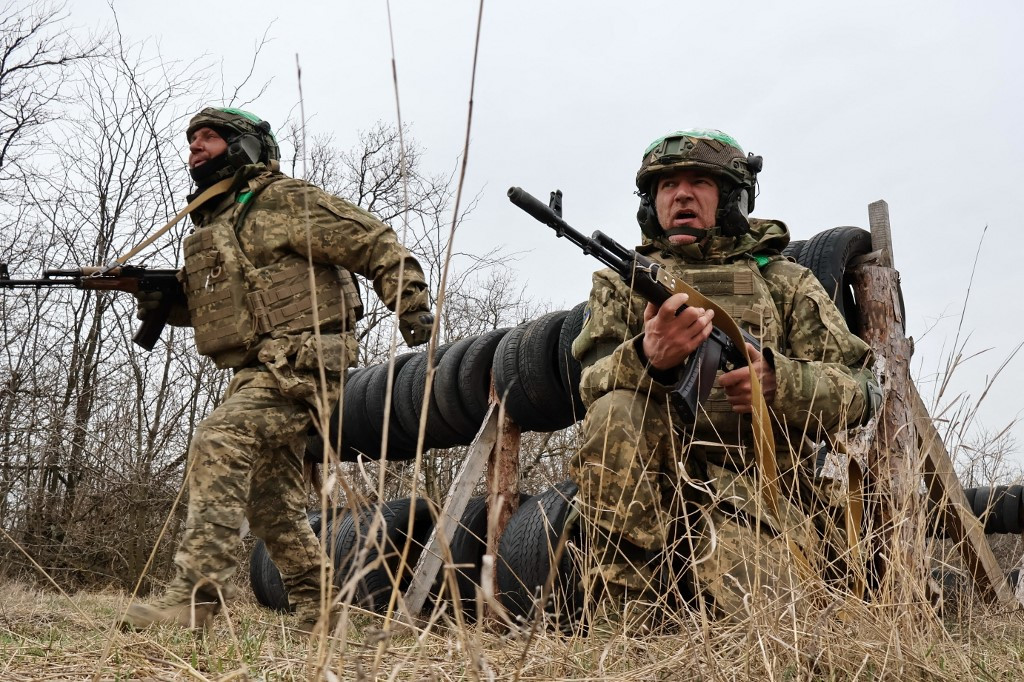
Ukraine reported a net territorial gain of 27 sq km in March (first monthly net gain since at least October) and says it has liberated ~480 sq km since January; Russia currently occupies about 20% of Ukrainian territory. An alternate Ukraine-based review (DeepState) contested the March picture, estimating Russia captured a net +160 sq km, while the Kremlin denied Ukrainian gains—reflecting conflicting frontline assessments. Reporting details localized, costly engagements (e.g., a 425th Regiment attack with 2 KIA and one M1A1 tank knocked out) and repelled mechanized assaults in southern sectors. For portfolios, the mixed but persistent combat maintains elevated geopolitical risk and keeps defense and energy-related names exposed to episodic volatility rather than signaling an immediate market-wide shock.
The frontline dynamics are moving from episodic set-piece offensives to high-frequency, attritional probing where small-unit combined-arms and drones create asymmetric leverage; that implies durable demand for precision munitions, loitering/FPV drones, artillery shells and ISR for at least the next 6–12 months as attrition, not maneuver, dictates procurement. Expect procurement cycles to shorten — urgent supplemental orders will favor producers with available inventory and flexible supply chains, not necessarily the lowest-cost competitors; that amplifies near-term revenue upside for mid-to-large primes with integrated manufacturing and global supplier reach.
A second-order shift is accelerating investment in active protection systems, electronic warfare and counter-drone capabilities because armor losses now have outsized political and operational cost. Each APS retrofit is a high-margin retrofit opportunity (roughly $200k–$800k per vehicle) and creates aftermarket recurring revenue (sensors, software updates, training) over multiple years, changing unit-level capex profiles and favoring vendors that bundle hardware + sustainment.
Main tail risks that could reverse the marginal Ukrainian initiative are abrupt Western aid pauses, a concentrated Russian operational surge, or a spike in critical component shortages (e.g., artillery shells, IMU-grade gyros) within 30–90 days. Conversely, an accelerated Western funding tranche or unlocked industrial ramp in 3–6 months could compound demand, turning modest monthly gains on the ground into multi-quarter procurement booms for munitions and ISR, so timing of capital allocation across 1–12 month horizons is critical.
AI-powered research, real-time alerts, and portfolio analytics for institutional investors.
Request DemoOverall Sentiment
mixed
Sentiment Score
0.00
