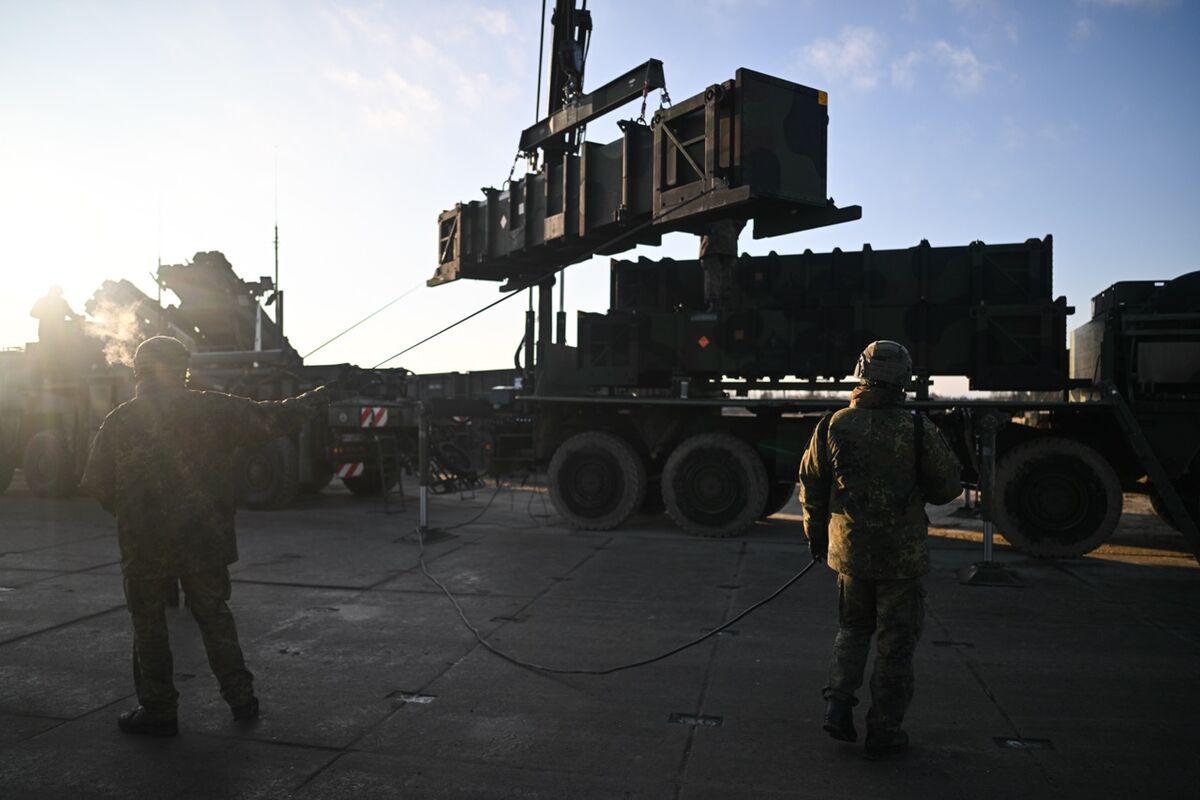
European allies, embarking on significant increases in military spending, are expressing wariness about a 'Buy American' strategy for new defense acquisitions. Despite this reluctance, they face a probable reliance on US weaponry, a position actively reinforced by the US President, indicating potential for substantial sales for American defense contractors amidst this European defense buildup.
European allies are implementing their most substantial increase in military spending in decades, creating a significant new demand catalyst for the defense industry. However, a palpable wariness toward a 'Buy American' procurement strategy exists among these nations. Despite this reluctance, the prevailing reality is that these allies may have little choice but to rely on the United States for many of the advanced weapons systems required for their force modernization. This dependency is being actively underscored by the US administration, which is directly promoting American defense sales. This dynamic suggests a structural tailwind for the US defense sector, driven by a surge in allied spending, even if it is accompanied by underlying political friction and a preference for local European suppliers.
AI-powered research, real-time alerts, and portfolio analytics for institutional investors.
Request DemoOverall Sentiment
mixed
Sentiment Score
-0.10
