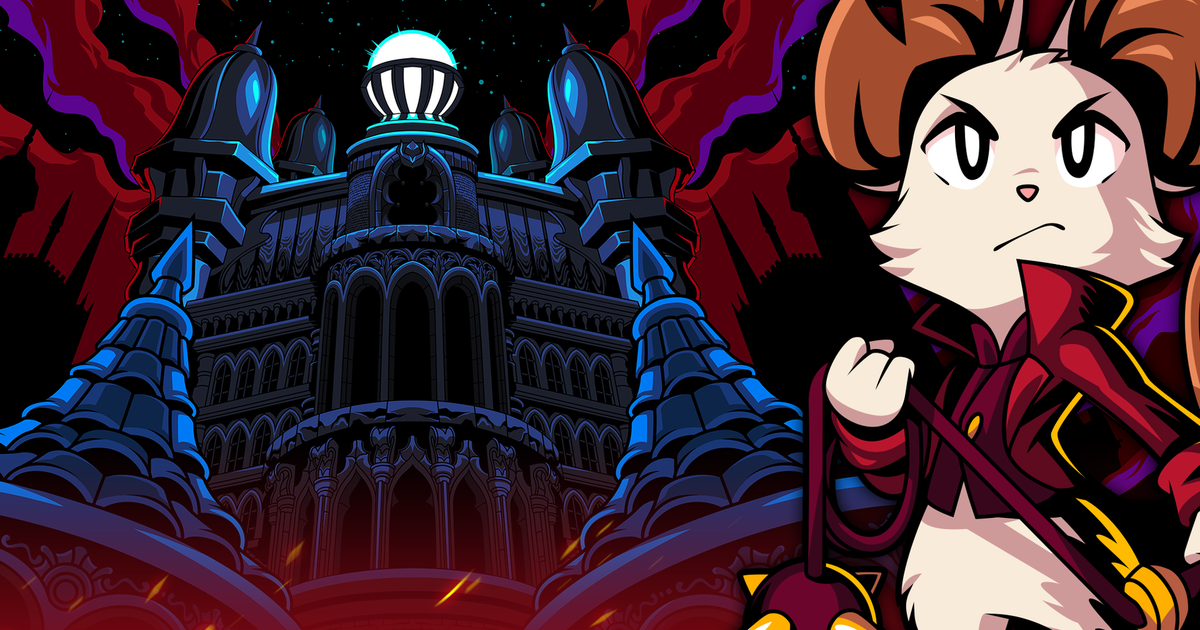
Yacht Club Games delayed Mina the Hollower indefinitely three weeks before an October launch, saying the title’s commercial performance is make-or-break for the studio; management views ~500,000 sales as a strong outcome, ~200,000 as satisfactory and ~100,000 as problematic. The six-year project raised $1.2m on Kickstarter and is the studio’s second IP after Shovel Knight (which has sold ~2.65m copies); failure would force downsizing and new funding, while the company shifts to remote work and a one-project-at-a-time strategy.
Market structure: This is a classic single-IP concentration shock that benefits large diversified publishers/platforms (EA, MSFT, TTWO) and digital storefronts (Steam/Nintendo eShop) while hurting small/mid-cap indie studios and service vendors that rely on irregular hit-driven revenue. Yacht Club’s stated thresholds (200k–500k units) imply a binary outcome: a miss forces downsizing and liquidity-seeking, compressing valuations for comparable private/public small-cap developers. Cross-asset: expect localized equity volatility and rising implied volatility in small-cap gaming names; negligible direct FX/commodities or sovereign bond impact.
Risk assessment: Tail risks include an operational bankruptcy triggering a fire-sale of IP (acquisition windows) and reputational contagion reducing publisher willingness to fund mid-sized non-live-service projects. Time horizons: immediate (days) — sentiment and pre-order/wishlist signals; short-term (4–12 weeks) — launch reviews/sales determine survival; long-term (6–24 months) — industry consolidation and funding models adjust. Hidden deps: Kickstarter backers expectations, inexperienced project leadership, and scope creep; catalysts to watch are Steam wishlist conversion rates, Metacritic/Twitch metrics, and first-month sell-through.
Trade implications: Tilt away from small, single-title-exposed developers and toward large-cap publishers/aggregators. Use option structures to hedge idiosyncratic risk (short put-spreads on small caps, long call spreads on large caps for M&A optionality). Size trades to 0.5–2% of portfolio with reversion thresholds tied to post-release metrics (e.g., <200k units or <70 Metacritic = accelerate deleveraging).
Contrarian angles: The market may over-penalize quality indie IP — successful releases (>=500k units) historically re-rate studios materially and attract acquisitive bids; past parallels include Stardew/Hollow Knight where small teams delivered outsized returns. An oversell of public indie proxies can create 6–12 month acquisition-driven alpha if you buy into structurally solid franchises at distressed multiples.
AI-powered research, real-time alerts, and portfolio analytics for institutional investors.
Request DemoOverall Sentiment
moderately negative
Sentiment Score
-0.50
