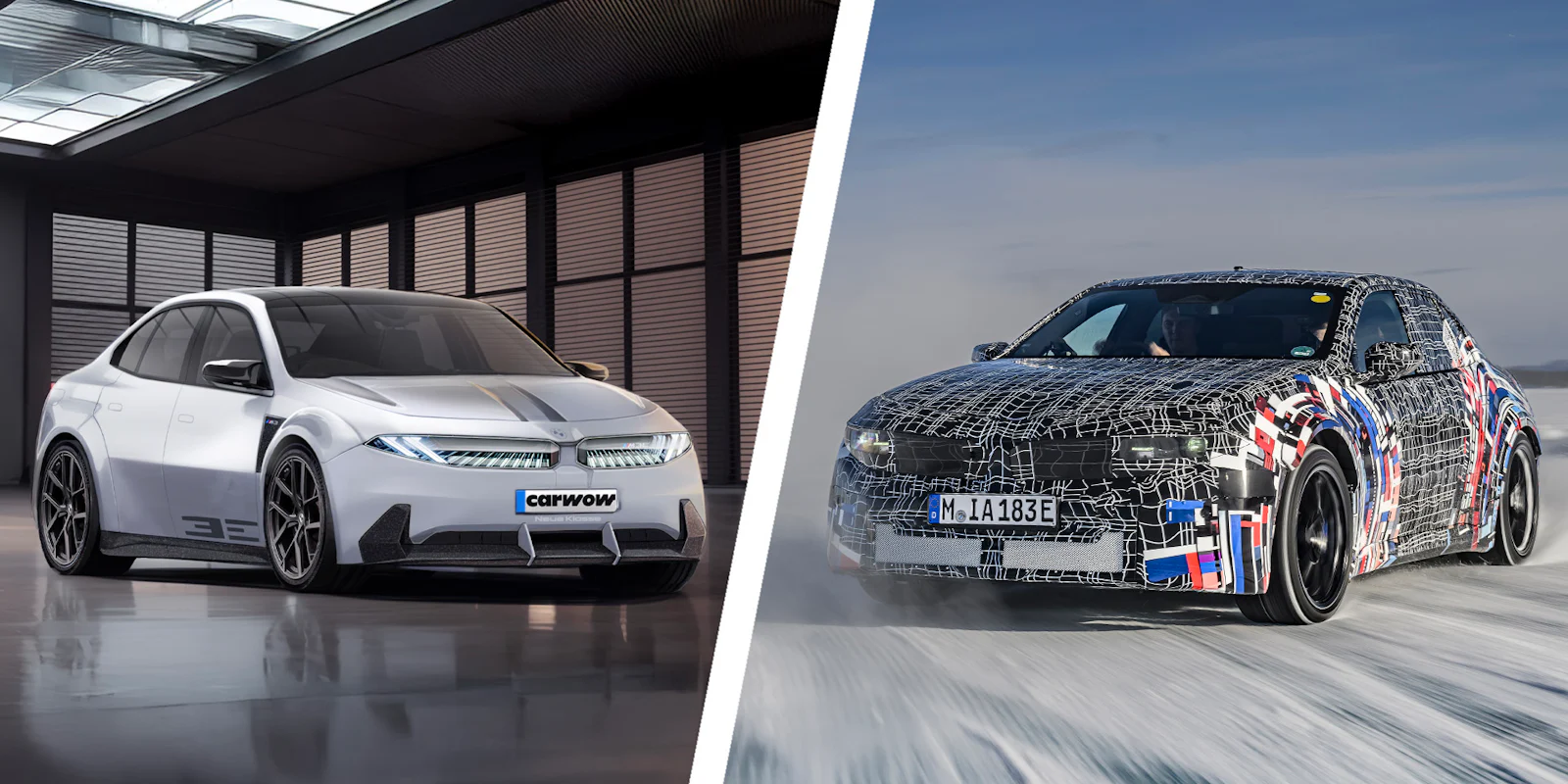
BMW plans to reveal an all-electric M3 in 2027 following the new 3 Series launch, positioning the model as a high-performance EV with four independent wheel motors and a dedicated driving-dynamics computer called the “Heart of Joy.” Prototype tech (VDX) has shown up to 1,300 hp, production is expected around ~1,000 hp with sub-3.0s 0–60 mph potential; the car is likely to use a 108 kWh battery (shared with the iX3) and an estimated real-world range near 450 miles. BMW will also offer a revised 3.0-litre twin‑turbo six‑cylinder petrol M3, possibly hybridised to exceed 700 hp, signaling a dual-path strategy to address both EV performance demand and combustion-engine market retention.
Market structure: BMW’s move to a 4-motor, 108kWh M3 positions premium legacy OEMs (BMW.DE / BMWYY) and tier-1 automotive semiconductor suppliers (Infineon IFX.DE, NXP NXPI) as direct beneficiaries of high-performance EV demand; battery raw‑material names (ALB, LAC, SQM) also gain from incremental pack size. Tesla (TSLA) is the obvious relative loser in mid‑premium performance saloons — expect modest pressure on Model 3 ASPs and option-package pricing power over 12–36 months as competition improves.
Risk assessment: Near-term market reaction is likely muted (days), with meaningful moves tied to concrete catalysts: BMW spring 2026 3‑Series reveal and M3 technical confirmations through 2027 (short‑term weeks→months for supplier deals; long‑term quarters→years for production/volume). Tail risks include semiconductor supply shocks, battery raw‑material price spikes (>20% yoy), EU emissions/regulatory changes, or software failures in “Heart of Joy” leading to recalls.
Trade implications: Establish small, tactical positions: modest long exposure to BMW.DE (1–2% portfolio) and auto‑semi names (IFX.DE 0.5–1%), funded by a 0.5–1% hedge short in TSLA; overweight lithium exposure via ALB or LIT (1–2%) on a 12–36 month view. Use options to size convexity: buy 9–15 month TSLA 25% OTM put spreads (limited loss) and, where liquid, BMW call spreads into reveal events.
Contrarian angles: The market underweights software integration and AWD torque vectoring as durable differentiation versus Tesla’s vertical software advantage — if BMW proves superior dynamic feel, brand premium could sustain higher ASPs, not just steal volume. Conversely, the production/CapEx burden and component cost inflation may compress OEM margins; historical parallels (Porsche Taycan vs Tesla) show that performance parity does not guarantee immediate market share transfer without scale and software/charging ecosystems.
AI-powered research, real-time alerts, and portfolio analytics for institutional investors.
Request DemoOverall Sentiment
moderately positive
Sentiment Score
0.45
Ticker Sentiment
