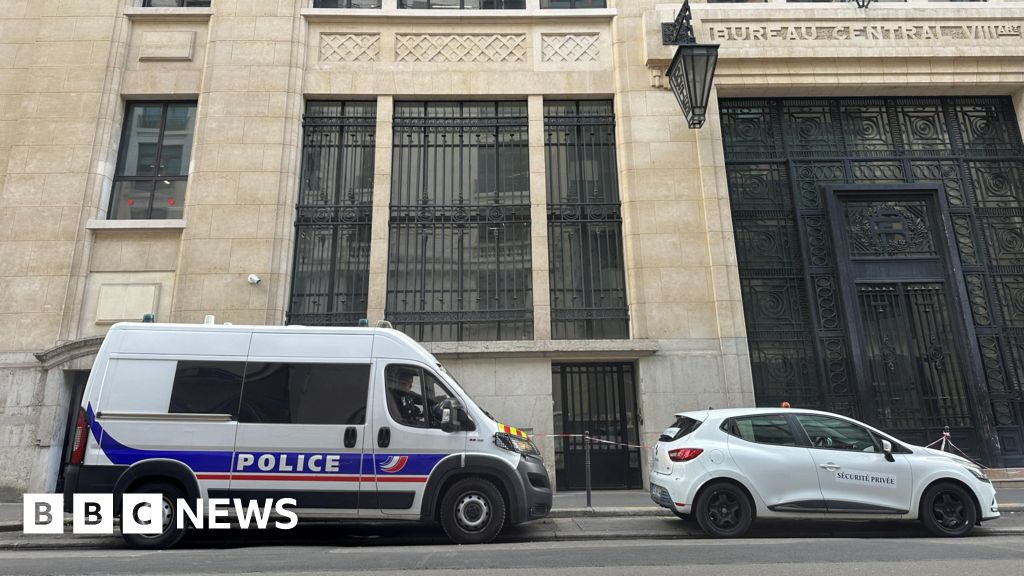
Three people were arrested after a suspected foiled bomb attack outside Bank of America’s Paris HQ; an initial suspect placed a device containing about five litres of liquid (believed to be fuel) and an ignition system and was detained at the scene. France’s anti‑terror prosecutor has opened an investigation into attempted damage by fire and a terrorist criminal conspiracy, the first suspect (a minor) had custody extended, and Paris judicial police plus domestic intelligence are involved. Interior Minister Laurent Nuñez suggested a possible link to the US‑Israel war on Iran and urged heightened security at transport hubs and other locations.
This incident increases near-term operational and reputational risk for banks with high-profile international footprints; even a small uptick in physical-security budgets (0.5-1% of non-interest expenses) can shave 1-3% off 12-month EPS for large retail-heavy banks if sustained. Markets will price a short-duration risk premium: expect equity volatility on affected bank names to spike for days-to-weeks, while credit spreads and lending syndicate terms could widen modestly if attacks cluster.
Winners on a 3-12 month horizon are contractors and integrators that win recurring security retrofit and monitoring contracts (hardware + managed services), and brokers/reinsurers that can re-price terrorism/accumulation exposure; losers are mall/retail landlords and small regional banks with concentrated branch networks near trophy assets where footfall/value is high. Second-order, commercial real estate loan spreads may lag bank stock moves and create staging ground for CRE distress in localized pockets if foot traffic and retail rents remain depressed.
Tail risk hinges on attribution and escalation: state-proxy attribution materially raises the probability of follow-up actions and a multi-week volatility regime; absent credible state linkage or follow-on incidents, 60-80% odds the market calms within 2-6 weeks and security opex is re-absorbed. Key catalyst watchlist: official attribution, additional incidents in major European capitals, and public guidance by insurers on coverage/claims scope — each can move the case from idiosyncratic to systemic.
Consensus is likely over-discounting long-term damage to franchise economics from a single foiled event. The more durable trade is positioning for transient volatility (options/hedges) while selectively owning long-duration suppliers of security services that can convert incident-driven budgets into multi-year contracts.
AI-powered research, real-time alerts, and portfolio analytics for institutional investors.
Request DemoOverall Sentiment
mildly negative
Sentiment Score
-0.30
Ticker Sentiment
