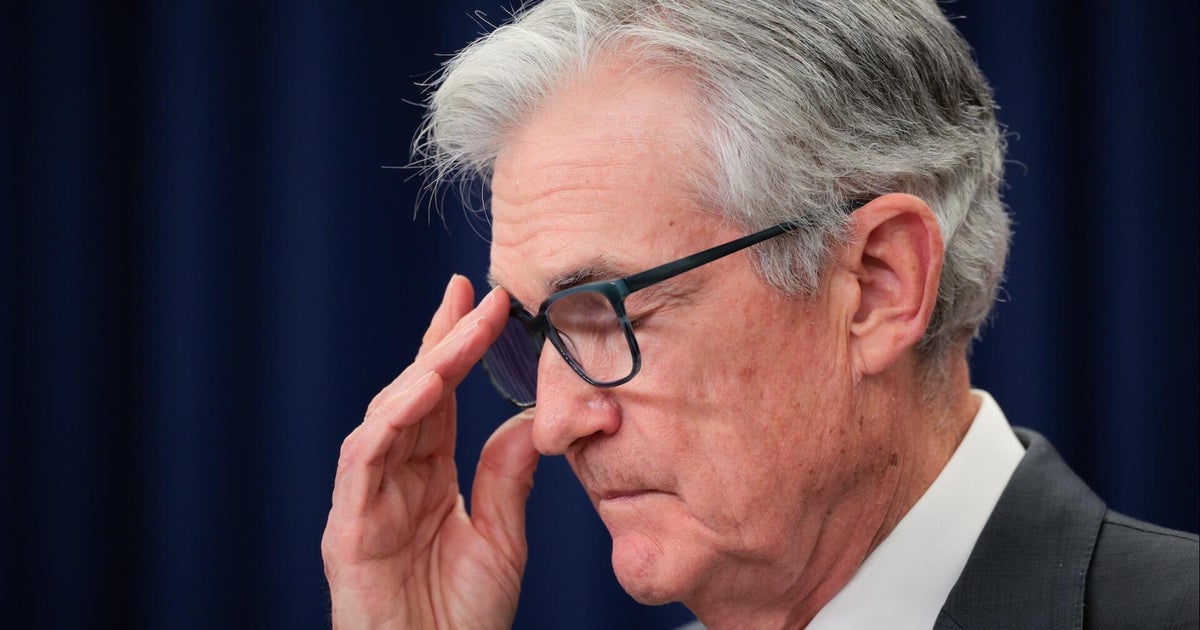
The Federal Reserve held the federal funds rate at 3.50%–3.75% at its first FOMC meeting of 2026, pausing after three 2025 cuts and signaling a data-dependent stance as growth accelerates. The Fed cited a “solid pace” of activity and low unemployment, while inflation remains above target at a 2.7% annual CPI pace in December; Q3 GDP grew at a 4.4% annualized rate. The 10-2 vote (two members preferring a 25bp cut) and Chair Powell’s comments suggest an extended pause rather than immediate additional easing, leaving markets to weigh stronger growth against elevated inflation and governance/legal risks around Fed leadership. Hedge funds should price in a stable-to-hawkish near-term policy path with volatility around inflation prints, labor data, and political developments affecting Fed governance.
Market structure: A Fed pause at 3.50–3.75% after three cuts signals rates are near neutral, benefiting banks/financials (higher NIMs vs. reinvestment risk) and cyclical sectors (Industrials, Materials) if growth around 4% persists. Losers are long-duration growth/mega-cap tech and rate-sensitive REITs as discount rates stay elevated; expect front-end yields stable while the curve risks steepening if growth continues. Cross-asset: USD likely to stay supported, short-end Treasury yields anchored, 10y+ yields directional to growth/inflation prints; oil/industrial commodities get a pro-growth bid while gold is contingent on real yields and inflation surprises.
Risk assessment: Tail risks include Fed-governance shock (DOJ/Supreme Court events) that would spike risk-premia and force market dislocation, and an upside inflation surprise >3.5% that would re-open tightening. Time horizons: immediate (48–72 hrs) — policy/news-driven volatility; short-term (1–3 months) — CPI/PCE and payrolls will drive curve moves; medium-term (3–12 months) — market repricing if neutral rate is structurally higher. Hidden dependencies: fiscal policy and election-cycle stimulus, labor-market lagging indicators; catalysts are weekly jobless claims, monthly payrolls, 3/6/12-month CPI/PCE prints and any Fed nominee announcements.
Trade implications: Favor overweight banks/financials (XLF, JPM, BAC) vs. long-duration tech (XLK, QQQ) over 3–9 months; allocate small real-money to inflation protection (TIP) if 5y breakevens >2.3% or CPI >2.7% in two months. Use protective option structures: buy 3-month put spreads on QQQ (5%/7.5% OTM) sized 0.5% NAV to hedge equity beta; consider buying 6–12 month calls on TLT (10–15 delta) as a tactical dislocation hedge if policy-credibility event occurs. Size positions conservatively (1–3% NAV per trade) and re-evaluate after each major macro print.
Contrarian angles: Consensus assumes a long pause; markets underprice the probability of another cut cycle if labor softens suddenly — that would re-rate long-duration assets and compress bank spreads. Conversely, markets also underprice governance risk: a credible legal shock to Fed independence could widen credit spreads and push investors to cash/short-duration Treasuries. Historical parallels (late-1990s Fed shocks and 2019/2020 policy pivots) show rapid reversals are possible; keep convex, low-cost optionality to exploit either a rally in duration or a spike in risk premia.
AI-powered research, real-time alerts, and portfolio analytics for institutional investors.
Request DemoOverall Sentiment
mixed
Sentiment Score
0.05
