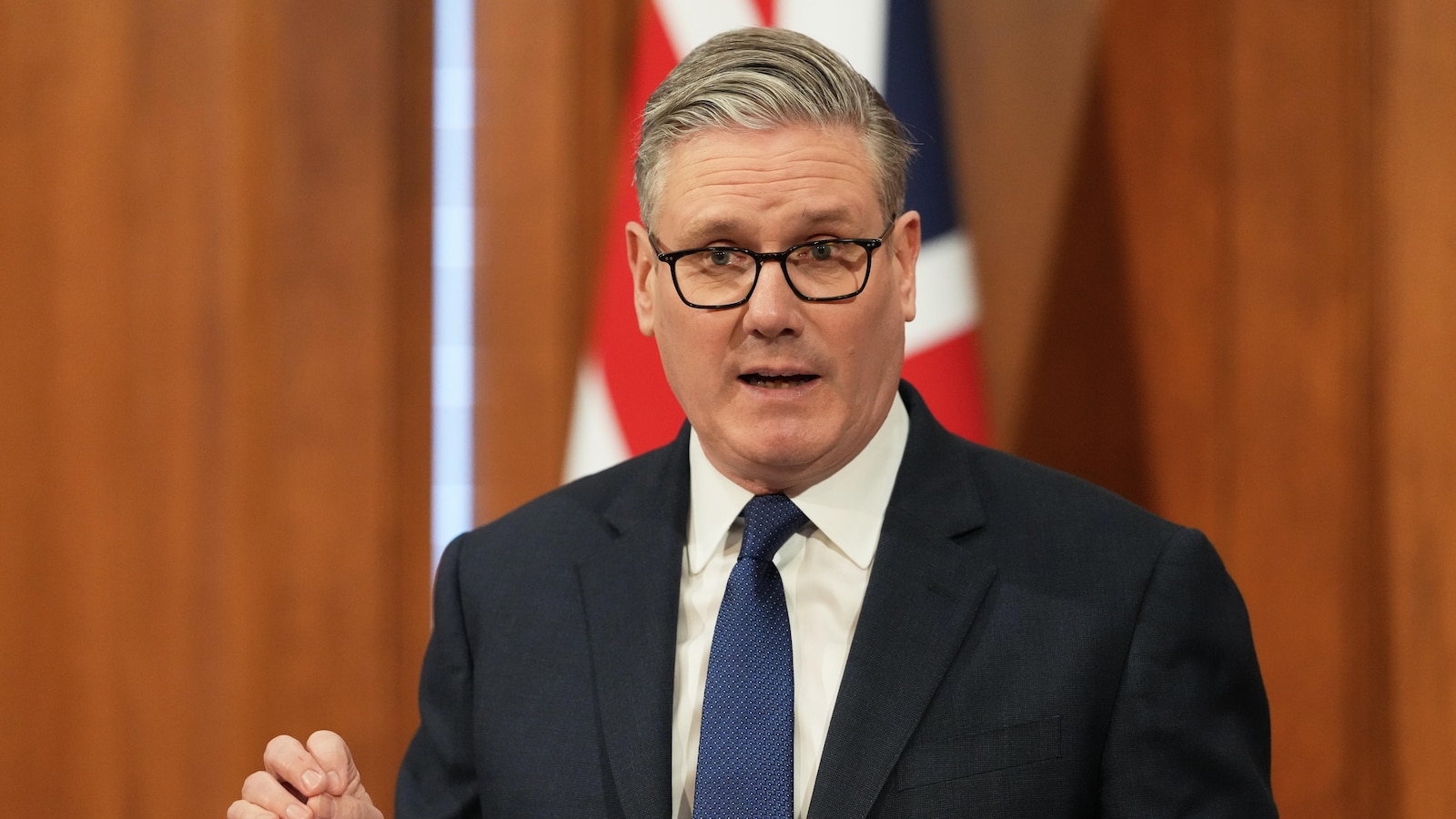
35 countries will meet (chaired by the U.K.) to discuss reopening the Strait of Hormuz after Iranian attacks have halted nearly all traffic, disrupting a critical oil transit route and sending petroleum prices higher. The U.S. is not attending; no country is willing to use force while fighting continues, and military planners will meet later to plan security 'after the fighting has stopped.' The diplomatic initiative is an initial step toward coordinated efforts to restore safe passage, with working-level meetings to follow.
The immediate market response will be driven less by crude production cuts and more by logistics frictions: lengthened voyage times and higher war-risk insurance materially lift spot tanker and tanker time-charter rates, while raising bunker fuel and operational costs for container and air cargo operators. Economically, a persistent 20-30% effective reduction in throughput on a critical chokepoint is consistent with an $8–15/bbl premium impulse to Brent over 3–6 months because of longer voyages, higher freight premia and temporary regional refinery feedstock mismatches.
Second-order winners include owners of crude tankers and storage capacity (who capture spread between displaced barrels and refining demand) and insurers/underwriters who can reprice risk; losers are margin-levered logistics operators (airlines, express couriers) and refiners with tight feedstock logistics. Over a 6–18 month horizon, accelerated European and regional capex on alternate routes, strategic storage, and military-backed escort frameworks could permanently compress the premium, creating a mean-reversion trade opportunity for energy and shipping exposures.
Key catalysts — with asymmetric impact — are (1) concrete military escort commitments from a multilateral sea-security coalition (fast relief to freight premia, weeks), (2) durable diplomatic settlement or ceasefire (sharp reversal, 1–3 months), and (3) episodic escalation (spikes to prices and insurance costs, days). Tail risks include wider regional naval engagement or mine campaigns that could keep premiums elevated for 12+ months; conversely, rapid private-sector route optimization and costly time-charter rebalancing could mute price impact sooner than consensus expects.
AI-powered research, real-time alerts, and portfolio analytics for institutional investors.
Request DemoOverall Sentiment
mildly negative
Sentiment Score
-0.40
