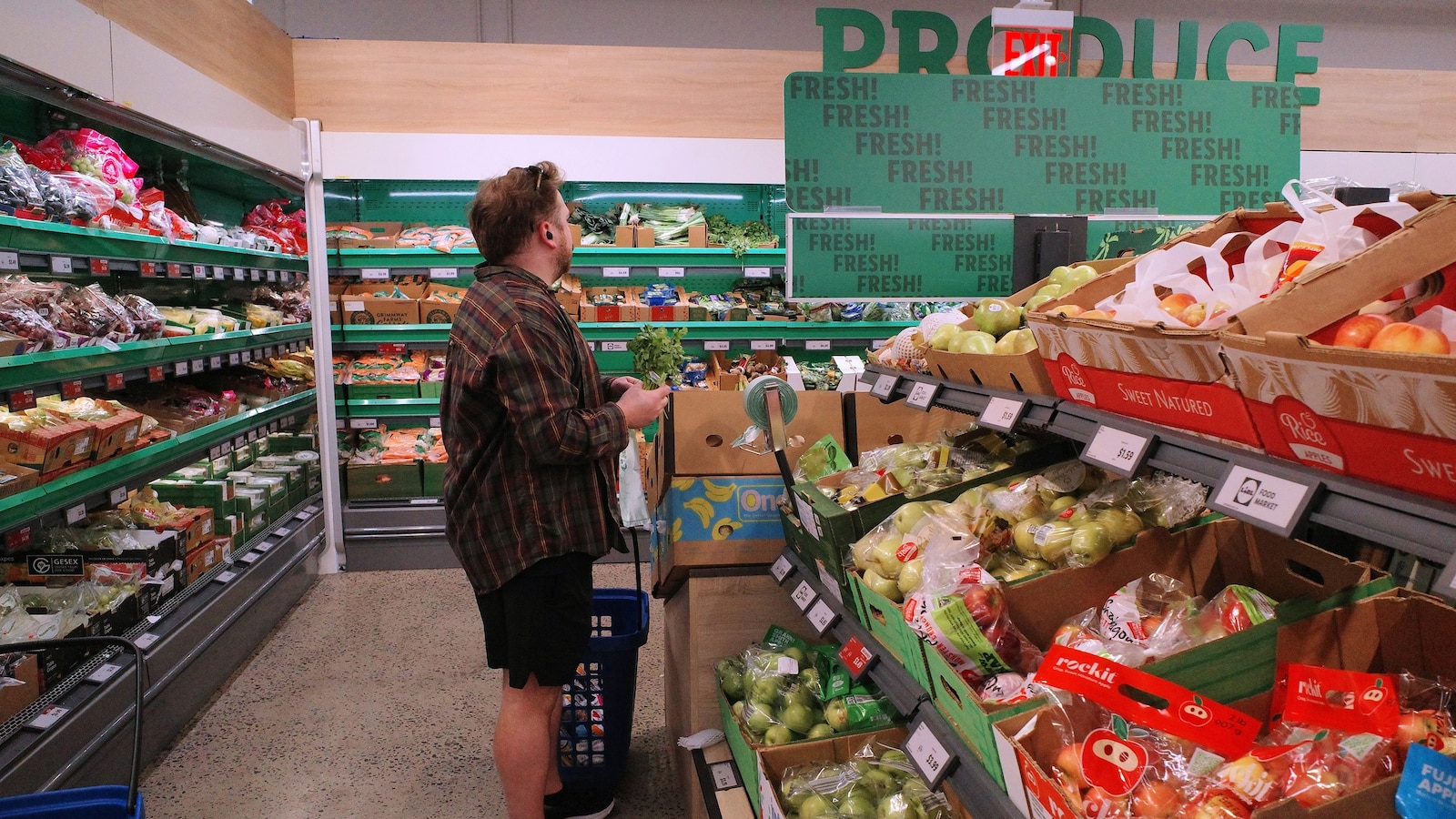
April consumer inflation is expected to rise to 3.8% from 3.3% as the Iran war lifts gasoline, airfare and other transport-related costs. Average U.S. gas prices have climbed to $4.52 per gallon, up $1.54 since Feb. 28, and the conflict has already triggered a major oil shock via the Strait of Hormuz disruption. The report raises pressure on the Fed, which has held rates steady at three meetings this year, and could weigh on consumer spending if higher prices persist.
This is a classic second-order inflation impulse: energy is the visible shock, but the larger market consequence is a broadening from headline CPI into sticky core categories through transport, warehousing, and margin pass-through. The key risk is not the next print itself, but a self-reinforcing loop where firms with pricing power re-quote faster than the Fed can validate a cut path, keeping real rates higher for longer and compressing duration-sensitive multiples.
The near-term winners are upstream energy and select pipeline/logistics assets with fee-based exposure, while the losers are sectors that are both fuel-intensive and price-elastic: airlines, package delivery, discretionary retail, and small-cap consumer names with weak balance sheets. The second-order effect is that diversified transports may underperform pure energy beta because fuel is only partially hedgeable and labor/capex remain sticky, so margin pressure can compound even if volumes hold.
The market may be underpricing the policy asymmetry: a stubborn inflation print can delay easing much more easily than a cooling growth print can force cuts in this labor market. That means the main catalyst is not a recession scare, but a repricing of the Fed path over the next 1-3 months, which would pressure long-duration equities, housing-related cyclicals, and speculative credit before it shows up in real activity.
Contrarian angle: consensus seems to treat the current shock as mostly transitory because the U.S. is a net energy exporter, but domestic price sensitivity is set globally and can still transmit through consumer psychology and embedded contracts. If crude retraces quickly, the most crowded short is likely the inflation hedge trade; if not, the better expression is relative, not directional, because broad market beta may not fall as much as rate-sensitive sectors.
AI-powered research, real-time alerts, and portfolio analytics for institutional investors.
Request DemoOverall Sentiment
moderately negative
Sentiment Score
-0.35
