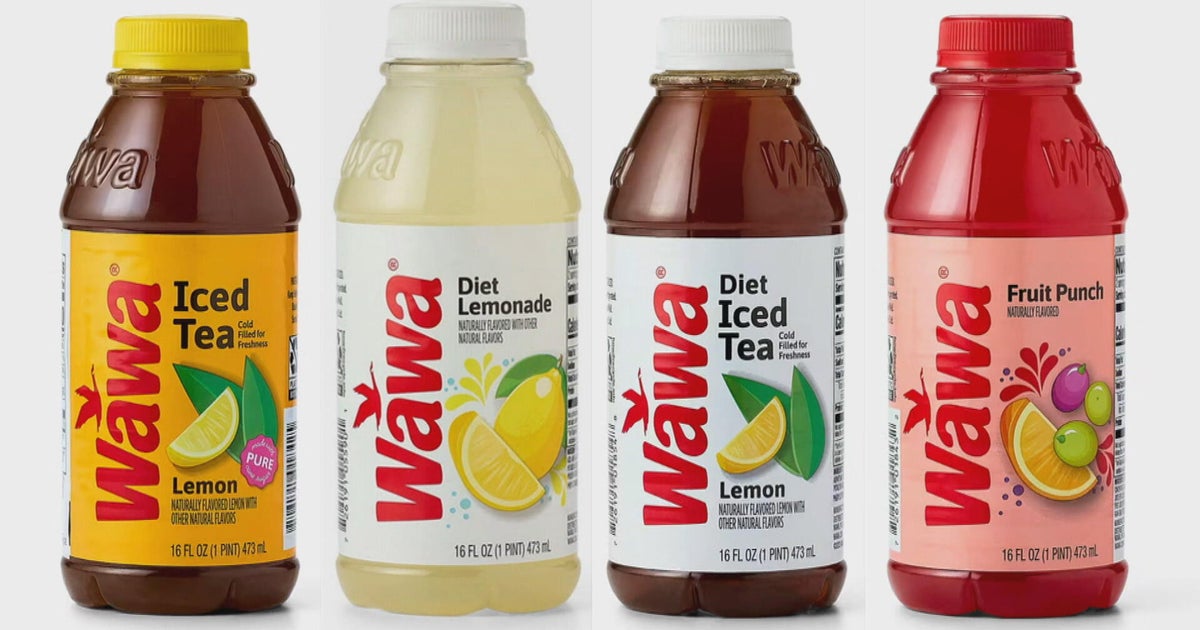
Wawa recalled four 16-ounce beverages (Wawa Iced Tea Lemon, Wawa Iced Tea Diet Lemon, Wawa Diet Lemonade and Wawa Fruit Punch) across stores in PA, DE, MD, NJ and VA due to a possible undeclared milk allergen from a temporary equipment issue. Distribution details: Iced Tea Lemon was sold in 123 stores, Fruit Punch in 53 stores, Iced Tea Diet Lemon in 8 stores (PA/NJ) and Diet Lemonade in 12 stores (DE/NJ); at least 11 Philadelphia stores received recalled products; no illnesses reported and affected products have been removed and discarded. Impact is localized operational and reputational risk with limited near-term financial exposure given the relatively small number of stores, but monitor for any expansion of the recall or reported allergic reactions.
This is a localized operational failure with outsized second-order demand for allergen testing, sanitation upgrades and documentation — a predictable substitute demand (testing kits, third‑party lab work, service contracts) that will show up in vendor order books within 2–8 weeks and in revenue for diagnostics companies over 1–6 months. Convenience-store foot traffic effects will be front‑loaded: expect measurable share shifts in adjacent ZIP codes over the next 2–12 weeks as habitual buyers temporarily pivot to competitors or to pre-packaged RTD consumption.
Regulatory and compliance pressure is the medium‑term risk vector: one high‑profile recall increases the probability of local inspections and requirement upgrades (auto‑cleaning cycles, retrofit dispensers, audit trails) for other regional operators within 3–9 months, forcing capex and higher operating costs for smaller chains while advantaging operators with standardized central controls. Insurance and liability exposure is asymmetric — even without reported illnesses, legal/settlement tail risk exists and could reprice coverage costs for private chains over the next 6–18 months.
Consumer behavior likely reverts: most shoppers tolerate one incident if remediation is swift; permanent brand defections are concentrated among high‑sensitivity households (milk‑allergy community), representing low single‑digit share loss. That limits blue‑chip downside but creates actionable windows: short tactical pain for private/regionals with weak controls, and a clearer growth pulse for public allergen‑testing and food‑safety vendors as stores accelerate external testing and validation.
AI-powered research, real-time alerts, and portfolio analytics for institutional investors.
Request DemoOverall Sentiment
mildly negative
Sentiment Score
-0.25
