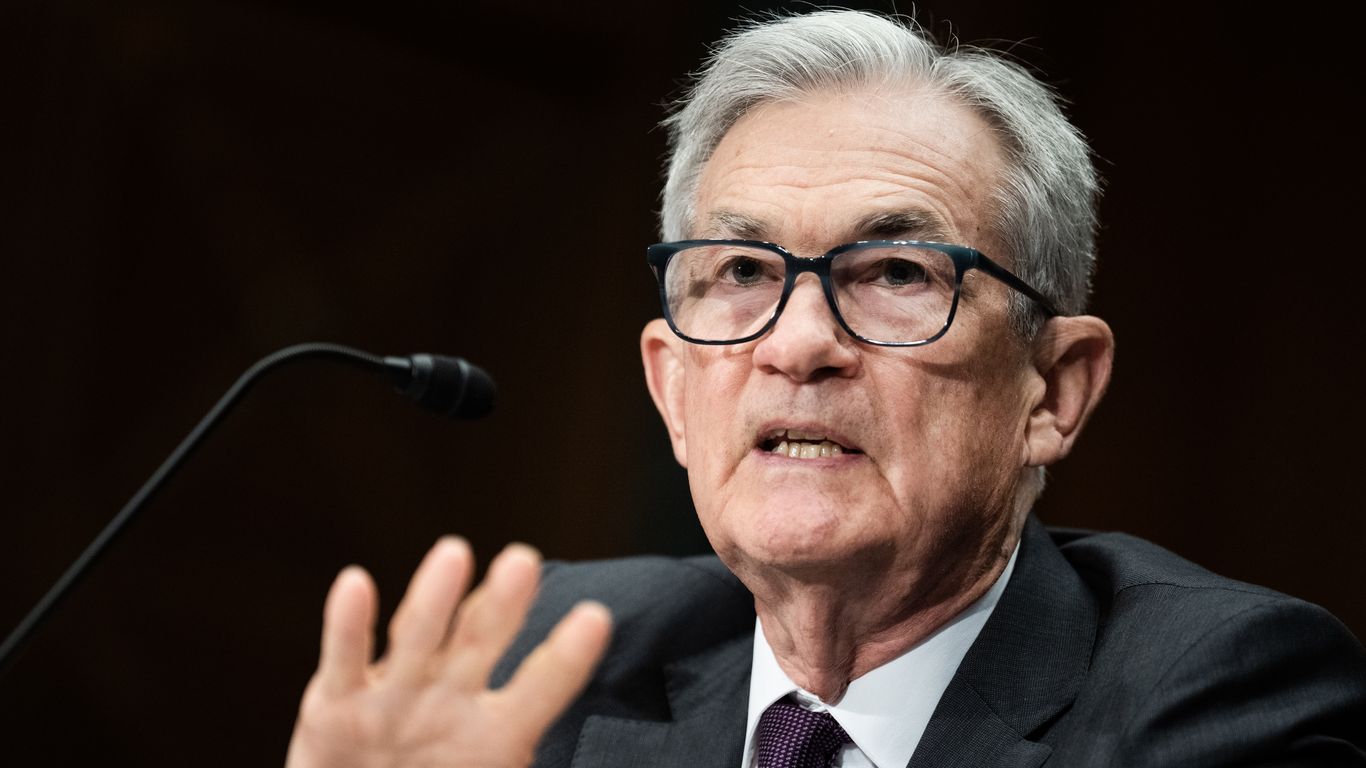
President Trump is intensifying pressure on Federal Reserve Chair Jerome Powell, now citing the Fed's $2.5 billion headquarters renovation as a potential pretext for removal, aiming to compel interest rate cuts. This ongoing conflict significantly jeopardizes the central bank's independence. Crucially, rate decisions are made by the 12-member FOMC, not unilaterally by Powell, and while some members, including Trump appointees, favor cuts due to temporary tariff impacts, a larger group anticipates stable rates through 2025. Powell himself attributes the current rate stance to inflation forecasts, particularly those linked to tariffs, underscoring that ousting him would not directly lead to the desired monetary policy shift.
The political pressure on the Federal Reserve from the Trump administration is intensifying, with the Fed's $2.5 billion headquarters renovation being cited as a potential pretext to remove Chair Jerome Powell. This conflict poses a significant threat to the central bank's perceived independence, a development with material market implications, as prior threats to oust Powell have already triggered market sell-offs and rising interest rates. However, the direct impact on monetary policy is constrained by the fact that rate decisions are made by the 12-member Federal Open Market Committee (FOMC), not unilaterally by the Chair. The committee itself appears divided, with a minority favoring rate cuts while a larger group anticipates rates holding steady through 2025. Chair Powell has articulated that the primary barrier to rate cuts is not the current economic data but rather forecasts of 'meaningful inflation' directly linked to the administration's own tariffs, suggesting that removing him would not resolve the underlying policy friction.
AI-powered research, real-time alerts, and portfolio analytics for institutional investors.
Overall Sentiment
moderately negative
Sentiment Score
-0.50
