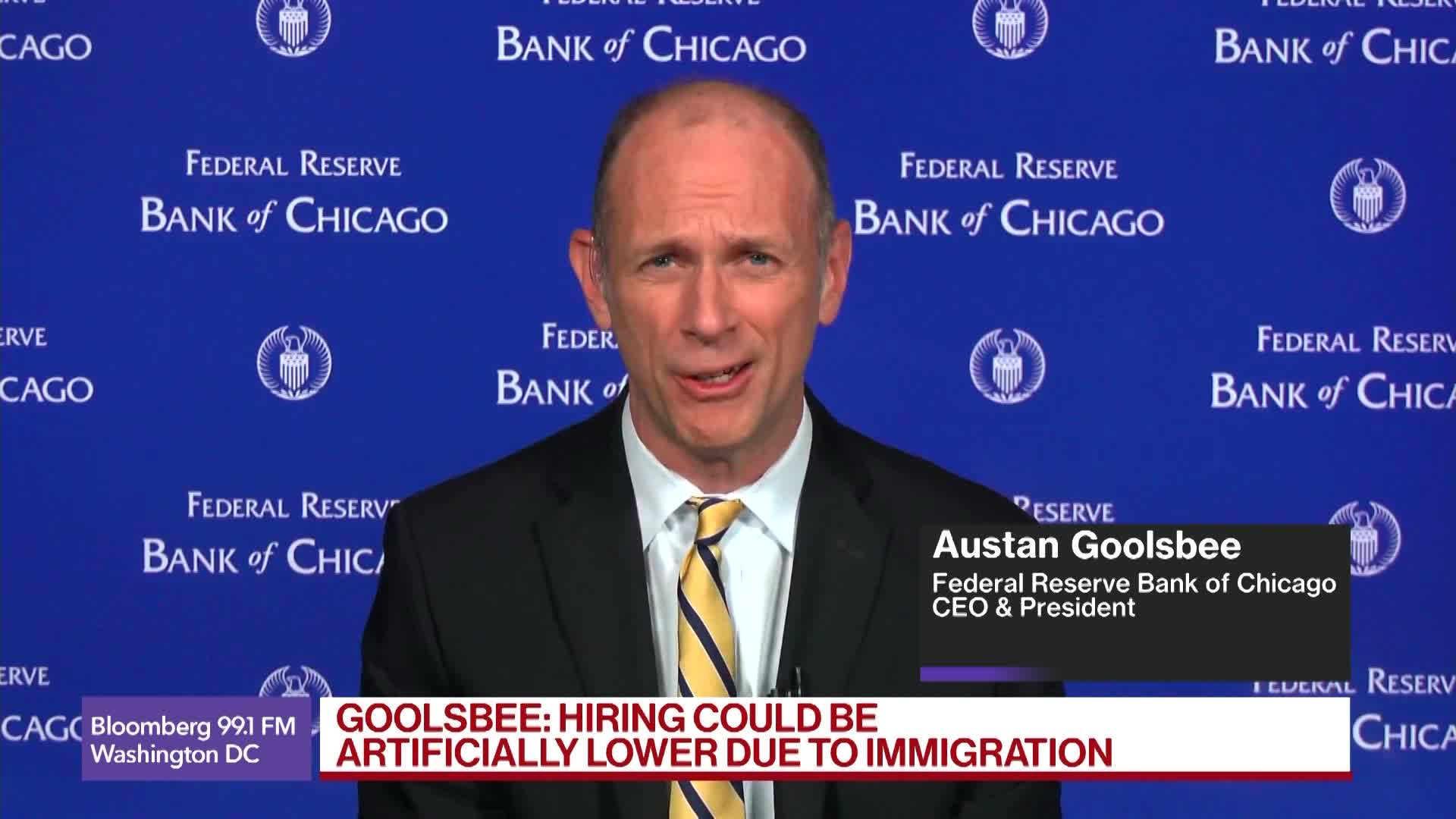
Recent news highlights a weakening US jobs market, potentially influenced by women with young children exiting the workforce at a record pace, while the White House and lawmakers face challenging funding negotiations. Amid this economic backdrop, Federal Reserve official Goolsbee remains undecided on interest rate cuts, signaling continued monetary policy uncertainty, even as efforts are made to address concerns regarding the Fed's independence.
The current macroeconomic environment is characterized by mounting uncertainty and signs of economic deceleration. Key labor market indicators are weakening, a trend potentially exacerbated by a record pace of women with children under five leaving the workforce, which could have structural implications for labor supply and participation rates. This economic softening is occurring alongside significant policy ambiguity. On the fiscal front, challenging funding negotiations between the White House and lawmakers introduce the risk of government disruption and unpredictable fiscal stimulus. Concurrently, the Federal Reserve's path remains unclear; despite weakening jobs data, Fed official Goolsbee's stated indecision on rate cuts signals that the central bank may not be prepared to pivot dovishly. This combination of a softer labor market, fiscal policy friction, and a non-committal Federal Reserve creates a complex and challenging backdrop for risk assets, justifying the moderately negative sentiment and high market impact assessment.
AI-powered research, real-time alerts, and portfolio analytics for institutional investors.
Request DemoOverall Sentiment
moderately negative
Sentiment Score
-0.50
