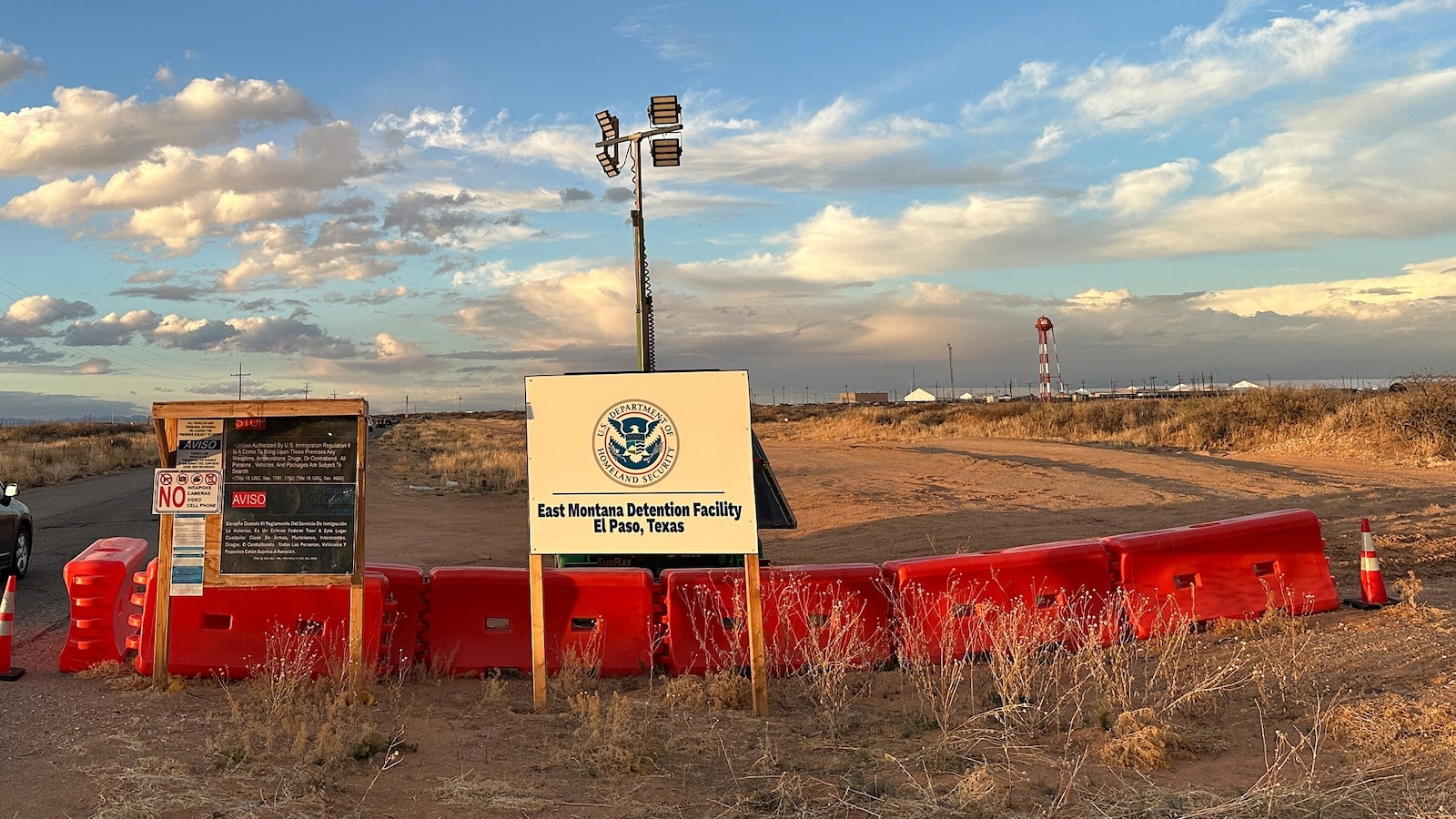
Inspectors found 49 deficiencies at Camp East Montana, the country's largest ICE detention center, including 22 related to use of force and restraints and four priority medical deficiencies. The $1.2B facility (opened 2025) has recorded three deaths, including one ruled a homicide and at least one presumed suicide, and failures cited include not isolating a detainee with TB symptoms and not documenting suicide-prevention checks. DHS/ICE said a new contractor was hired to increase on-site medical care, staffing and quality-assurance surveillance; findings raise reputational and regulatory risk for contractors and oversight agencies.
Procurement and compliance are the immediate economic levers here: a high-profile failure in detention operations typically triggers rapid rebidding and add-on scopes (surveillance, QA software, on-site medical staffing) that convert into multi-year services revenue. Expect formal RFPs and enhanced oversight specs to flow within 1–6 months, with awards and implementation dragging into the 6–24 month window; vendors that can bundle cameras + tamper-proof video logging + audit trails will capture outsized margins.
Legal and political spillovers are the primary tail risks for incumbents. Civil litigation, state inquiries, and congressional pressure usually materialize over 3–12 months and translate into contract suspensions, higher insurance costs, and 200–500bps EBITDA compression for operators with thin margins; counterparties that fail to demonstrate near-term remediation plans are most vulnerable to downgrades.
Second-order beneficiaries are systems integrators and software vendors selling recurring compliance products: the market values ARR in this niche at leverage multiples (5–8x ARR) because renewals tie directly to regulatory certification cycles. Conversely, asset-heavy, politically exposed operators face structural downside as governments prefer contractors with transparent telemetry and indemnified performance; model a 10–30% revenue reallocation away from legacy operators over 12–36 months under a sustained oversight regime.
Key catalysts to watch are RFP release dates, DOJ/DHS investigation milestones, contractor audit outcomes, and any stopgap no-bid extensions; a surprise quick re-award to an incumbent would reverse the trade within weeks, while sustained negative headlines will compress valuations over quarters. Position sizing should treat near-term optionality (0–6 months) as event-driven and longer-term allocations (6–24 months) as regime-change bets tied to recurring revenue adoption.
AI-powered research, real-time alerts, and portfolio analytics for institutional investors.
Request DemoOverall Sentiment
strongly negative
Sentiment Score
-0.70
