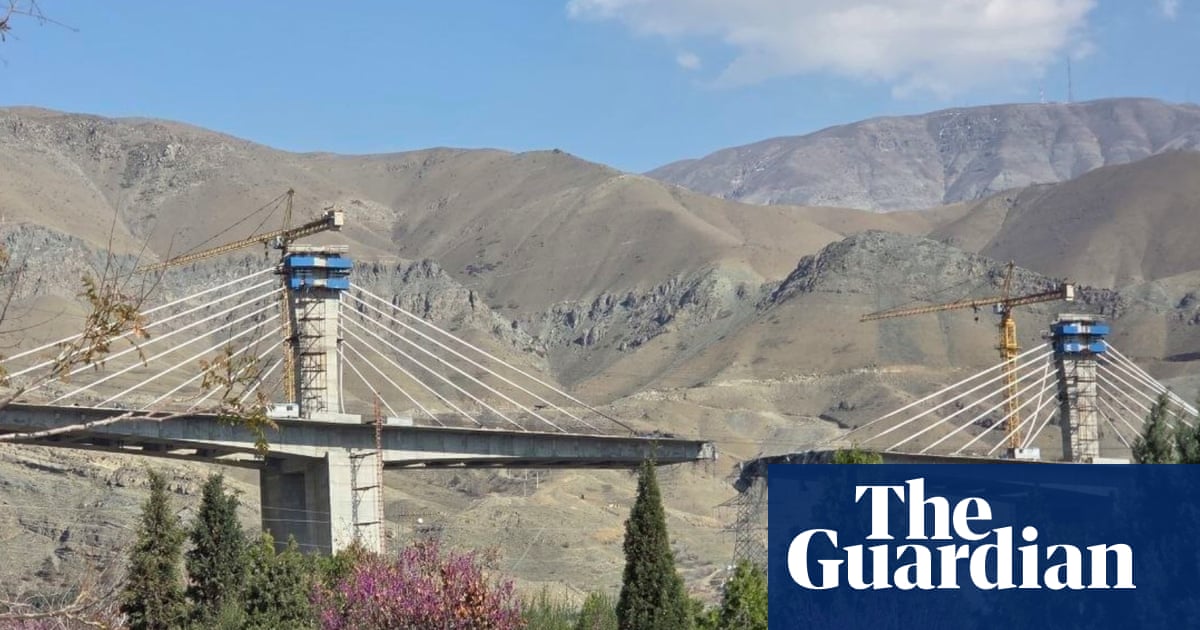
Eight people were killed and 95 wounded when a newly built 136m-high, $400m B1 suspension bridge between Tehran and Karaj was struck and collapsed; the US president claimed responsibility and threatened further attacks including on power plants. Oil jumped ~7% to $108/bbl on the escalation, while Iran reports ~1,900 killed and 20,000 injured since the war began amid more than 15,000 bombing raids; the UN warned of a wider war with catastrophic implications. Expect continued risk-off flows, potential further upside volatility in oil and energy markets, and heightened geopolitical risk premia across assets.
This shock materially raises the probability of sustained regional disruption that transmits into energy, insurance and logistics markets via three mechanisms: (1) a higher geopolitical risk premium on seaborne energy and refined product flows, (2) sharply elevated war‑risk insurance and voyage times that lift tanker and freight economics, and (3) acceleration of defense procurement and semiconductor/precision‑components orders with multi‑quarter lead times. Expect the first–order price response to concentrate in near‑term oil/freight vol and insurance spreads within days–weeks, while the second‑order reallocation of capex and supply‑chain constraints plays out over quarters to years.
Defense/industrial suppliers and upstream energy producers are the most direct asymmetric beneficiaries, but the less obvious winners are specialty subcontractors (precision optics, power electronics, carbon‑composite fabricators) with constrained capacity — their backlog can re‑rate margins as orders shift to suppliers who can deliver in 6–18 months. Conversely, high‑leverage travel and logistics operators that cannot pass through fuel and insurance costs will face margin compression and credit stress in the same period.
From a macro/flow perspective, this increases tail risk for EM carry and raises the floor for safe‑haven assets and the dollar; central banks may defer easing if energy‑driven inflation persists, extending rate volatility. Key reversal triggers that would unwind these premia are verifiable de‑escalation, coordinated SPR release and rapid normalization of shipping insurance rates — any one could materially compress the risk premium inside 30–90 days.
Trade implementation should prioritize option structures to cap downside on a binary geopolitical event, staggered durations (weeks for energy/freight vol; quarters for defense and upstream), and active monitoring of four sentinel data points: freight rates, insurance war‑risk premia, visible diplomatic channels, and announced procurement awards.
AI-powered research, real-time alerts, and portfolio analytics for institutional investors.
Request DemoOverall Sentiment
strongly negative
Sentiment Score
-0.80
