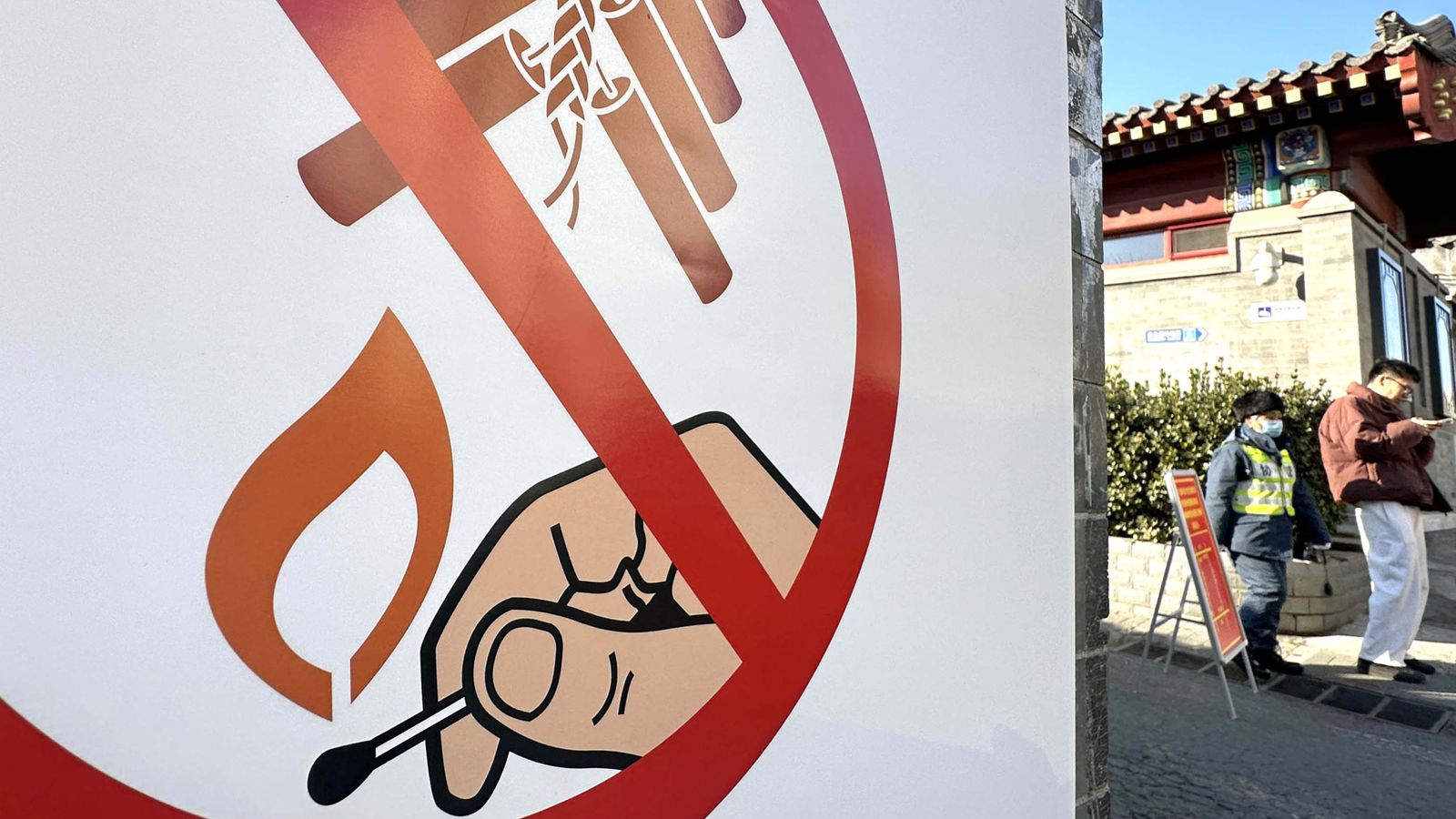
At least 12 people were killed in an explosion and fire at an unnamed fireworks shop in Xiangyang, Hubei province on Wednesday, with flames engulfing roughly 50 sqm of the premises amid Lunar New Year celebrations. The incident follows other recent deadly pyrotechnic blasts in Jiangsu and Hunan and comes after the Ministry of Emergency Management warned fireworks remain the biggest Spring Festival risk; investigators are probing the cause, which could prompt stricter enforcement of existing local bans and safety inspections affecting retail pyrotechnics and related regulatory scrutiny.
Market structure: Local fireworks retailers and unlisted small manufacturers are direct losers; repeated fatal incidents increase the probability of municipal/provincial bans, compressing peak Lunar New Year season sales by an estimated 10–30% in affected provinces over the next 1–3 months. Winners include industrial safety & fire-protection equipment suppliers (MSA, HON, MMM) and centralized, compliant manufacturers who can scale into restricted markets; pricing power shifts to vendors of safety certification and compliant alternatives (indoor pyrotechnics, licensed displays).
Risk assessment: Tail risks include an enforced multi-province ban or national regulation (low-probability/high-impact) that could permanently reduce civilian fireworks demand by >40% over 1–3 years and trigger insurance/reinsurance repricing. Immediate impact (days): headline-driven local retail closures and lost seasonal revenue; short-term (weeks–months): municipal bans, enforcement costs, supply consolidation; long-term (quarters–years): structural demand shift to licensed events and safety vendors. Hidden dependencies: rise in at-home entertainment/consumer electronics spending and consolidation opportunities for compliant manufacturers.
Trade implications: Favor industrial safety/hazard-control names (MSA, HON, MMM) with 3–12 month horizons; consider modest short exposure to China consumer discretionary/small-cap ETFs (KWEB) that capture local retail pain. Use options to express view: buy 3–6 month call spreads on MSA/HON and put spreads on KWEB/FXI-sized to defined portfolio risk. Entry window: next 2 weeks; reevaluate on any Ministry of Emergency Management rule within 30–60 days.
Contrarian angle: Markets will likely underprice regulatory escalation because fatalities are geographically concentrated; if regulators enact bans in >20 cities within 30 days, safety stocks could rerate +10–25% as demand permanently shifts and small incumbents exit. Unintended consequence: tighter rules may accelerate consolidation—favor mid-cap safety suppliers able to certify and scale, and avoid assuming insurers materially benefit short term given claim concentration and reputational risk.
AI-powered research, real-time alerts, and portfolio analytics for institutional investors.
Request DemoOverall Sentiment
mildly negative
Sentiment Score
-0.25
