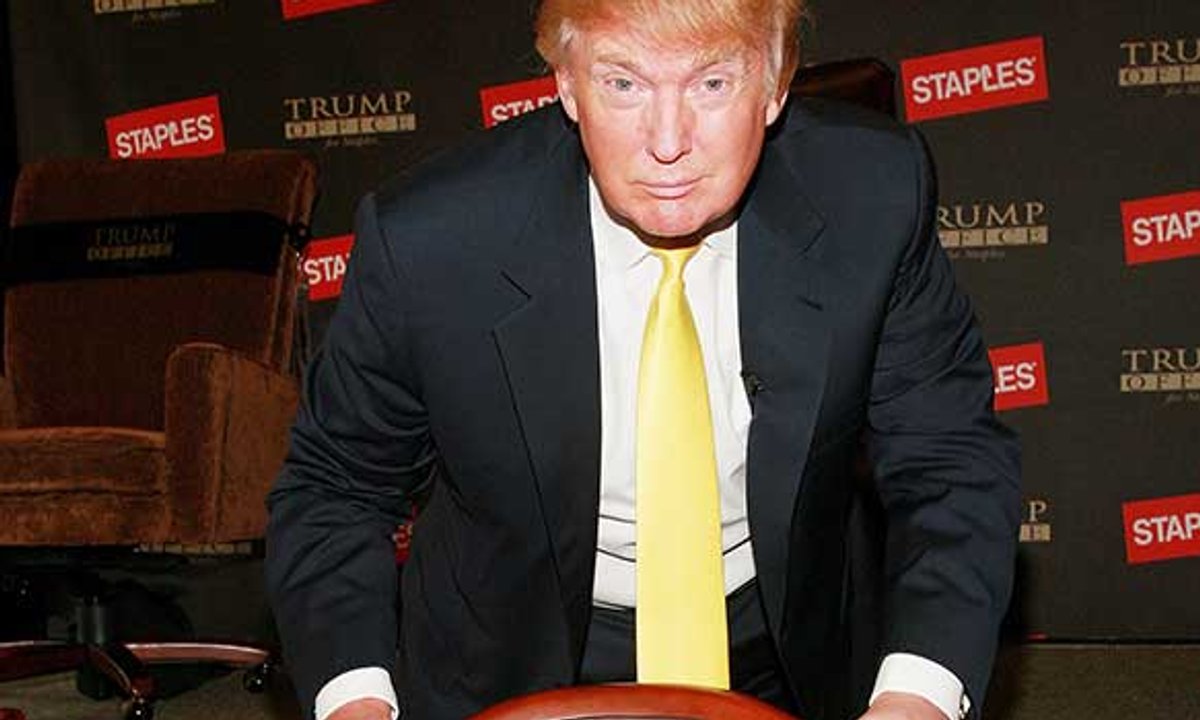
The Trump administration's tariffs, initially aimed at bolstering domestic manufacturing, are significantly disrupting the international antiques and decorative arts market, imposing duties of 10-25% (escalating to 30-50% by 2026) on items like furniture and wood products. This has forced US dealers to absorb substantial costs, creating competitive disadvantages and shifting purchasing away from international sources, unlike fine art which remains exempt. The legality of these tariffs under the International Emergency Economic Powers Act is currently under Supreme Court review, posing broader implications for trade policy and presidential authority.
The Trump administration's tariffs, initially designed to bolster domestic manufacturing, are significantly disrupting the international antiques and decorative arts market, imposing substantial costs on US dealers. New duties of 10-25% on wood imports and derivative products like upholstered furniture, escalating to 30-50% by January 2026, directly impact import costs. This contrasts sharply with fine art, which remains exempt under the "informational materials" clause of the International Emergency Economic Powers Act.
US dealers, such as Ralph M. Chait Galleries, report absorbing significant costs, exemplified by a 30% tariff on a 17th-century porcelain acquisition, creating a competitive disadvantage against European counterparts. The unpredictable and varying tariff rates, as highlighted by Michael Pashby, further complicate import logistics and pricing for multi-origin items. This environment is pushing sales out of the US and encouraging a shift towards sourcing items domestically, mirroring J.P. Morgan's strategy from the early 1900s.
The legality of these tariffs, imposed under the International Emergency Economic Powers Act, is currently under review by the US Supreme Court, with arguments scheduled for November 5th. Legal experts, including Nicholas O’Donnell, suggest the tariffs may exceed presidential authority, indicating potential for a significant policy reversal. This legal challenge introduces considerable uncertainty regarding the long-term trade landscape for collectibles and decorative arts.
AI-powered research, real-time alerts, and portfolio analytics for institutional investors.
Request DemoOverall Sentiment
strongly negative
Sentiment Score
-0.65
Ticker Sentiment
