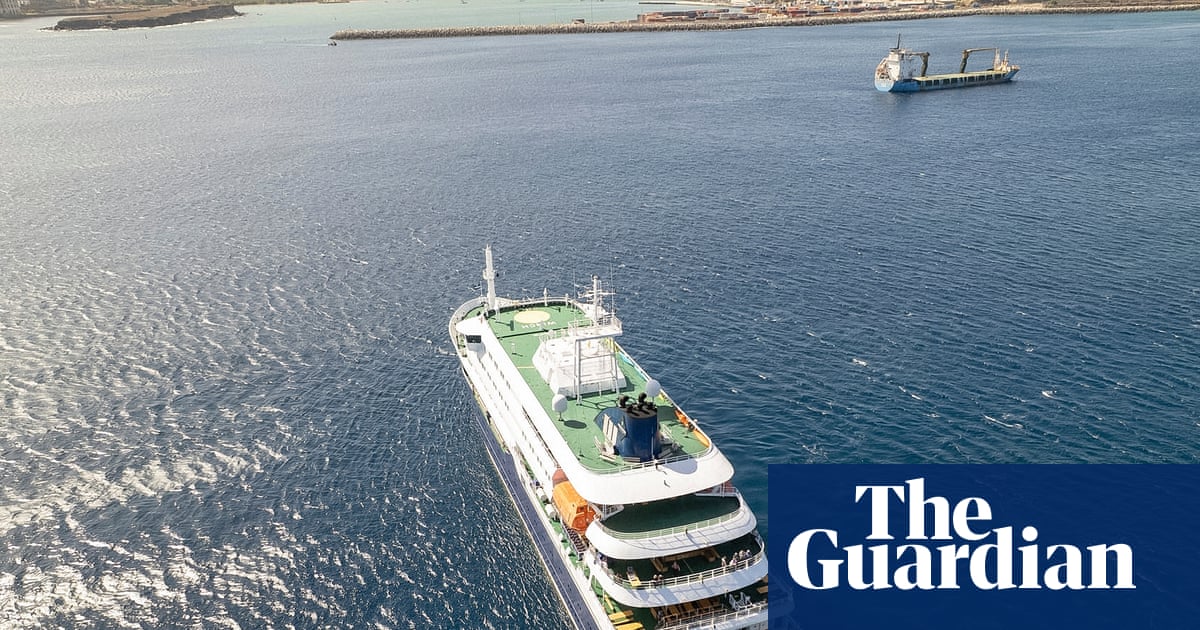
Hantavirus is a rare but potentially severe rodent-borne disease with no definitive antiviral treatment, and old-world and new-world strains carry fatality rates of roughly 1% to 15% and about 40%, respectively. The article highlights transmission risks from contaminated rodent material, long incubation periods of 1 to 8 weeks, and the possibility of limited human-to-human spread for the Andes strain. The news is primarily informational, though it may raise caution for travel, cruise, and agricultural exposure settings.
This is not a broad pandemic trade; it is a micro-shock that should mainly show up as a temporary risk premium in travel, expedition cruising, and remote-tour operators rather than a durable earnings hit. The market impact is driven by uncertainty around exposure source and incubation lag: an apparent “ship outbreak” can depress bookings for weeks before any epidemiology is confirmed, so the first-order trade is sentiment-driven while the second-order risk is cost inflation from enhanced screening, sanitation, and itinerary changes. The more important read-through is to logistics and transportation operators with rodent-exposure vectors: port services, warehousing, food storage, and shipboard provisioning in LATAM/remote routes may see tighter inspection regimes and higher operating friction. If this becomes a recurring headline, insurers can reprice liability and interruption coverage for niche cruise and expedition operators faster than the underlying demand actually deteriorates, creating a margin squeeze even if passenger volumes recover. In healthcare, the event is a reminder that rare zoonotic infections are often misclassified early, which modestly benefits rapid diagnostics and broad infectious-disease surveillance tools rather than any specific therapeutic name. The contrarian view is that the downside may be overcalled because person-to-person spread appears structurally weak in most strains, so “pandemic analog” positioning is likely wrong. The real tail risk is reputational: a cluster tied to a high-end cruise brand can trigger disproportionate cancellations across the premium leisure segment for 1-2 booking cycles, even if case counts remain low. If subsequent investigation points to land-based exposure rather than vessel contamination, the headline risk should fade quickly and the rebound in affected travel names could be sharp. For portfolios, the setup favors short-duration, event-driven expression rather than macro hedges. Use any gap-down in cruise/exotic travel operators to fade panic if the outbreak source remains ambiguous, but keep stops tight because liability headlines can stretch for months if new cases emerge.
AI-powered research, real-time alerts, and portfolio analytics for institutional investors.
Request DemoOverall Sentiment
mildly negative
Sentiment Score
-0.20
