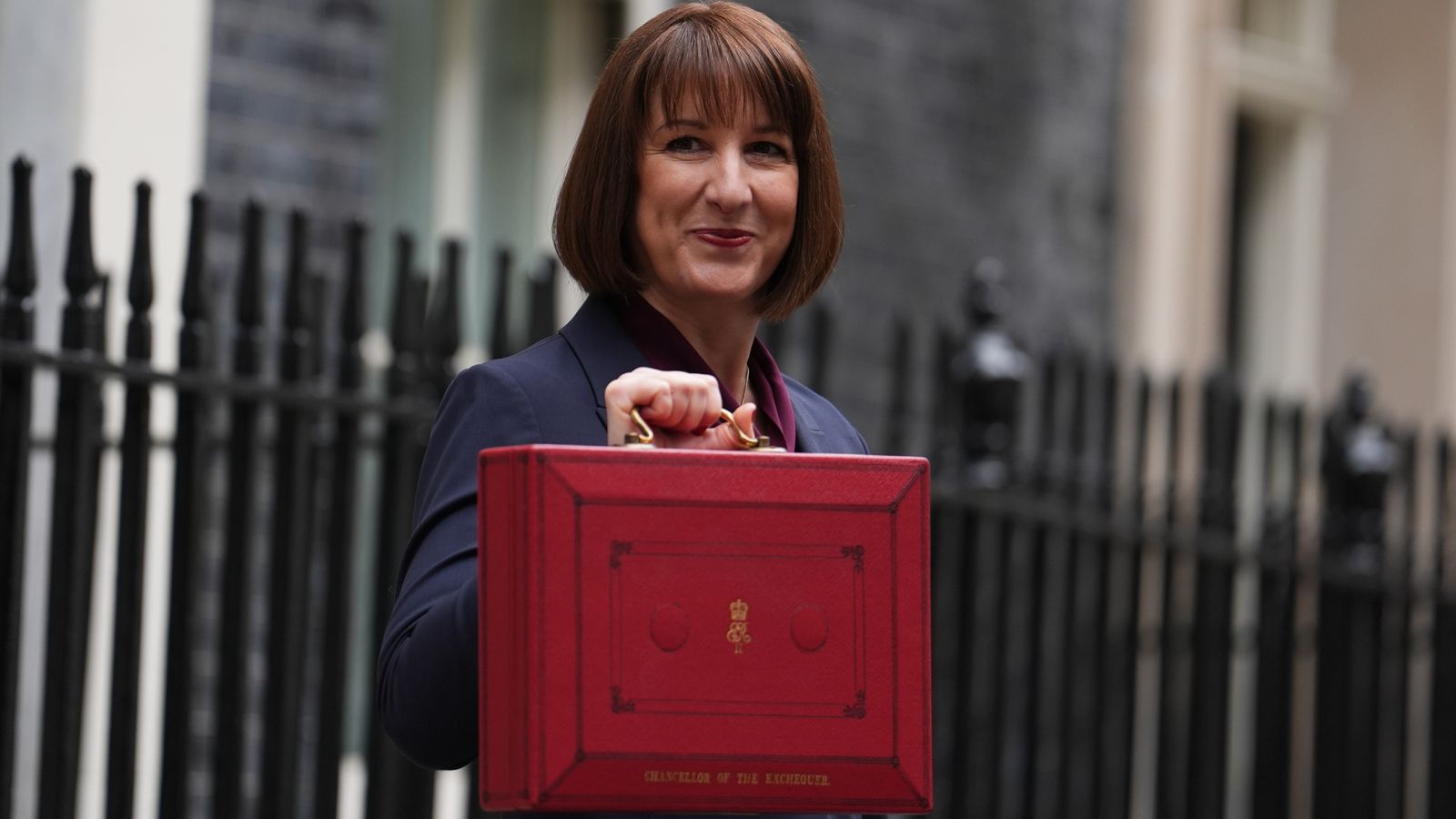
UK CPI inflation surged to 3.5% in April, a near 1% increase from March, primarily driven by the timing of household bill increases, including a 7% rise in combined gas and electricity prices and a 25% average increase in water bills. The ONS also cited increased transport costs due to vehicle excise duty and the introduction of increased employer National Insurance payments as contributing factors. While the Bank of England anticipates this may be the peak of the surge and wages are rising faster than prices, the figures present challenges for the government's promise to boost household finances.
UK Consumer Price Index (CPI) inflation accelerated to 3.5% year-over-year in April, marking a significant increase of nearly one percentage point from March. This surge is primarily attributed to the timing of annual household bill adjustments, including an almost 7% rise in combined gas and electricity prices and a substantial 25% average increase in water bills. Further contributing factors identified by the Office for National Statistics (ONS) include increased transport costs stemming from vehicle excise duty changes for both electric and internal combustion engine vehicles, alongside policy-driven cost pressures such as increased employer National Insurance contributions and a 6% rise in the minimum wage. These developments present a challenge for the government's objective of improving household finances, as Sky News analysis indicates an average annual increase of almost £500 per household from these inescapable bill hikes, excluding the 5% council tax increase. Chancellor Rachel Reeves acknowledged these cost pressures but maintained that tax increases were essential for stabilizing public finances. Despite the current spike, the Bank of England, having already implemented two rate cuts this year, anticipates this could be near the inflationary peak and remains committed to a "gradual" path for further reductions, noting that wages continue to rise faster than prices, although the rate of wage increase may be slowing. A late Easter also statistically contributed to higher April figures in areas like airfares and recreation.
AI-powered research, real-time alerts, and portfolio analytics for institutional investors.
Overall Sentiment
Negative
Sentiment Score
-0.40
Ticker Sentiment
