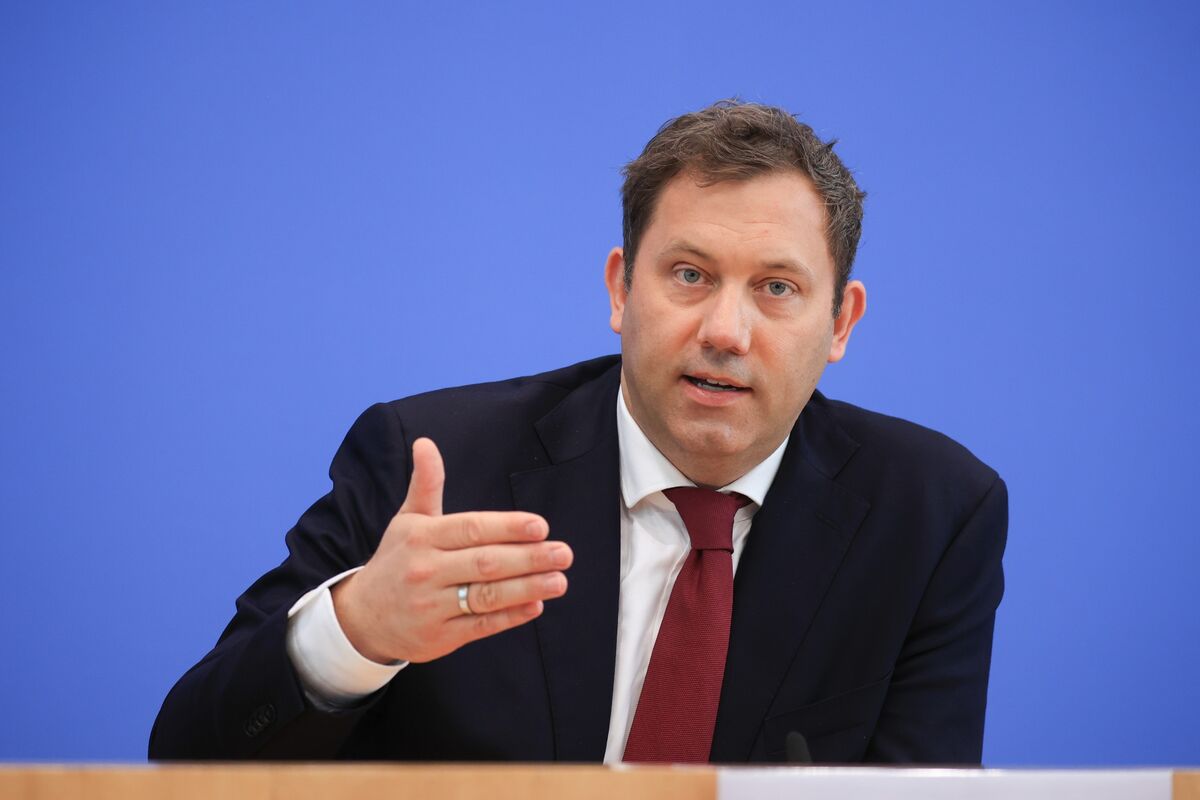
German Finance Minister Lars Klingbeil pledged to implement additional economic reforms by year-end to spur growth, responding to mounting pressure on Chancellor Friedrich Merz's government to reverse the nation's economic slump.
German Finance Minister Lars Klingbeil has publicly pledged to enact additional economic reforms by year-end, signaling the government's response to mounting pressure over the nation's economic slump. This commitment, while currently lacking specific policy details, is intended to project confidence in the coalition's ability to stimulate growth. The statement carries a mildly positive and optimistic tone, but the moderate market impact score of 0.55 indicates that investors are likely in a 'wait-and-see' mode. The core of the issue revolves around fiscal policy and potential legislative changes, suggesting that any forthcoming measures could have broad implications for the German economy. The absence of concrete proposals means the market is reacting to intent rather than action, with the focus remaining on future political developments within Chancellor Friedrich Merz's government.
AI-powered research, real-time alerts, and portfolio analytics for institutional investors.
Request DemoOverall Sentiment
mildly positive
Sentiment Score
0.25
