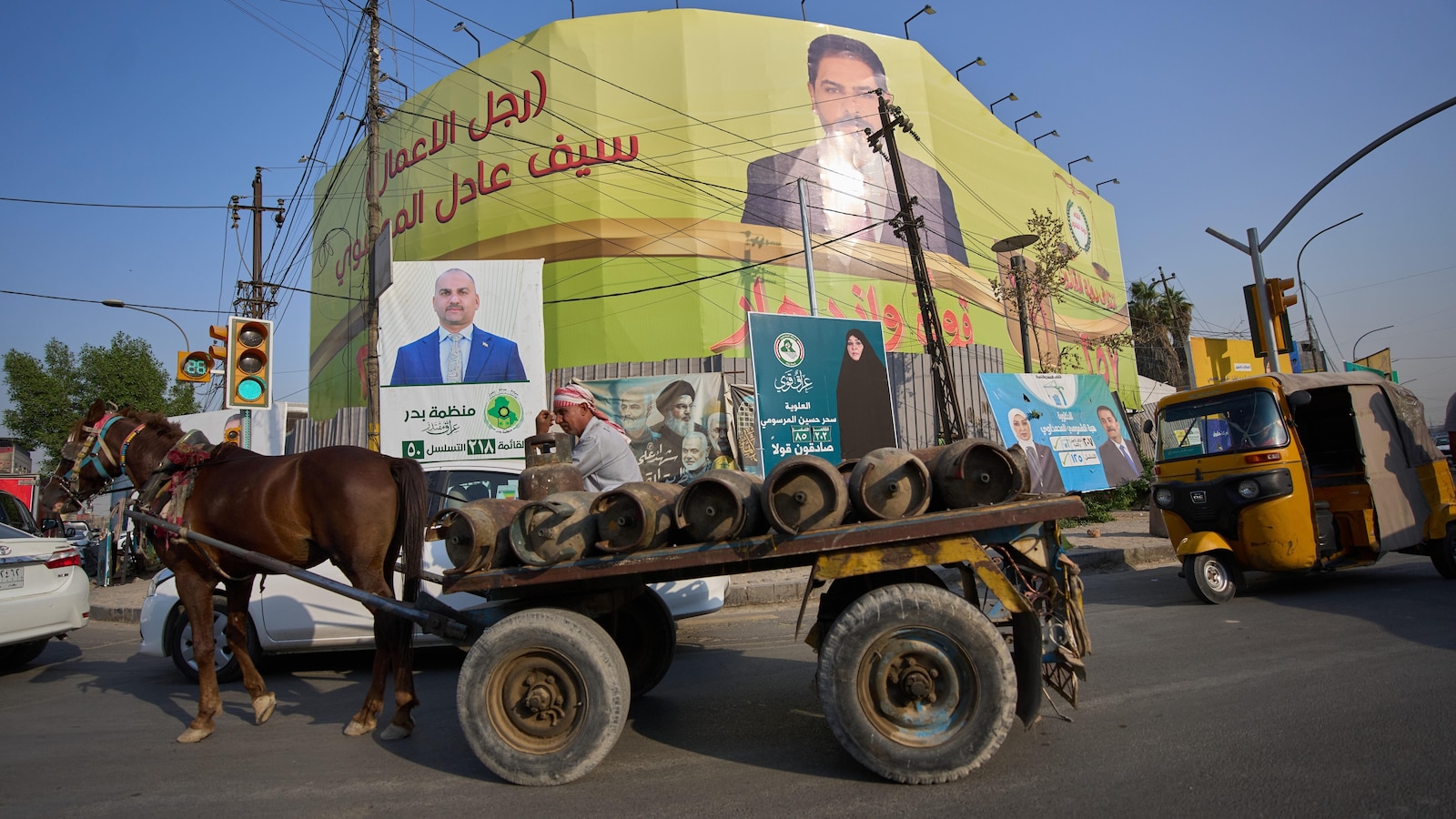
Iraq is holding a crucial parliamentary election this week, which will significantly influence Prime Minister Mohammed Shia al-Sudani's potential second term and the nation's delicate geopolitical balancing act between the U.S. and Iran. The vote takes place amid regional instability, domestic concerns over economic stagnation and public services, and features participation from powerful Iran-linked militias through political parties, while the influential Sadrist Movement boycotts. The outcome is critical for Iraq's political stability and its capacity to address deep-seated economic challenges, especially given historical difficulties in forming stable governments and the persistent influence of various factions.
The upcoming Iraqi parliamentary election is a pivotal event, directly impacting Prime Minister Mohammed Shia al-Sudani's prospects for a second term and the nation's delicate geopolitical balancing act between the U.S. and Iran. This election unfolds amid heightened regional instability, including fears of an Israel-Iran conflict and potential strikes on Iran-backed groups operating within Iraq.
Domestically, the electoral process is characterized by persistent concerns over job scarcity and inadequate public services, despite Iraq's significant energy wealth. Voter engagement remains historically low, with only 21.4 million registered voters, a decrease from 24 million in 2021, underscoring widespread disillusionment.
The political landscape is deeply fragmented, marked by the participation of powerful Iran-linked Shiite militias through associated parties, juxtaposed with the influential Sadrist Movement's significant boycott. This fragmentation, combined with historical difficulties in government formation and widespread corruption allegations, points to a challenging post-election environment.
PM al-Sudani, despite his pragmatic focus on public services, faces internal dissent within his supporting bloc and external pressure from the U.S. regarding militia control. The election outcome is unlikely to guarantee a stable government, given precedents of winning blocs failing to impose their preferred candidates and only one PM serving multiple terms since 2003.
AI-powered research, real-time alerts, and portfolio analytics for institutional investors.
Request DemoOverall Sentiment
strongly negative
Sentiment Score
-0.70
