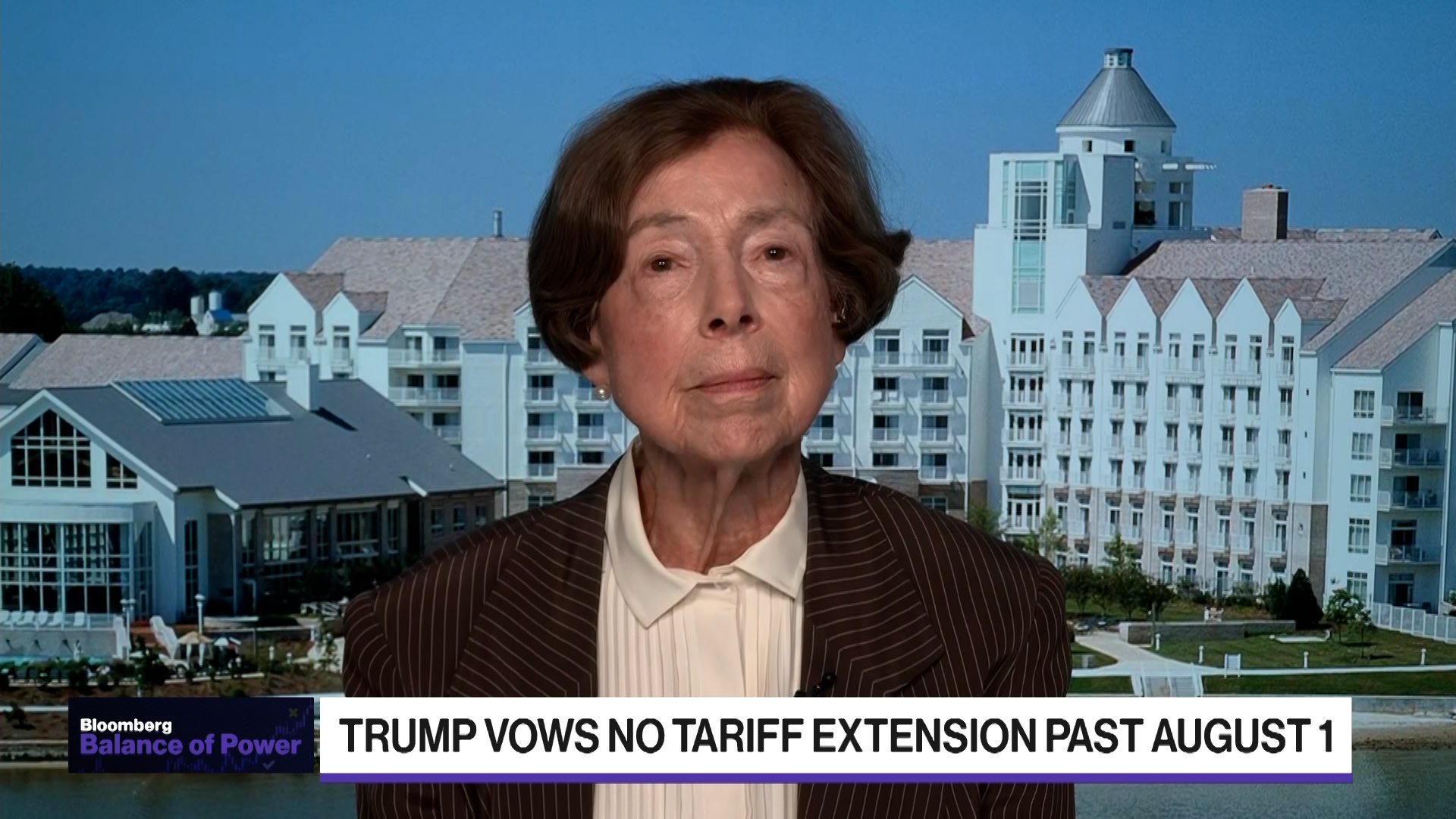
President Trump has recently implemented heavy tariffs on copper, while also extending a separate tariff deadline to August 1. These concurrent actions underscore the administration's ongoing assertive trade policy, which could significantly impact commodity markets and global supply chains.
The Trump administration has enacted heavy tariffs on copper, a move that signals a continued assertive stance on trade policy and directly impacts the commodities market. This action, coupled with a concurrent decision to push a separate tariff deadline to August 1, introduces a significant degree of policy uncertainty. While the specific entities affected are not detailed, the imposition of tariffs on a critical industrial metal like copper is likely to create headwinds for downstream industries reliant on it as a raw material, potentially increasing input costs and disrupting established supply chains. The market's moderately negative sentiment and the uncertain tone reflect the dual risks of inflation from higher material costs and potential retaliatory actions from trade partners. The moderate market impact score of 0.6 underscores that this policy is a material event, particularly for the industrial and raw materials sectors, by altering trade flows and pricing dynamics for a key global commodity.
AI-powered research, real-time alerts, and portfolio analytics for institutional investors.
Request DemoOverall Sentiment
moderately negative
Sentiment Score
-0.50
