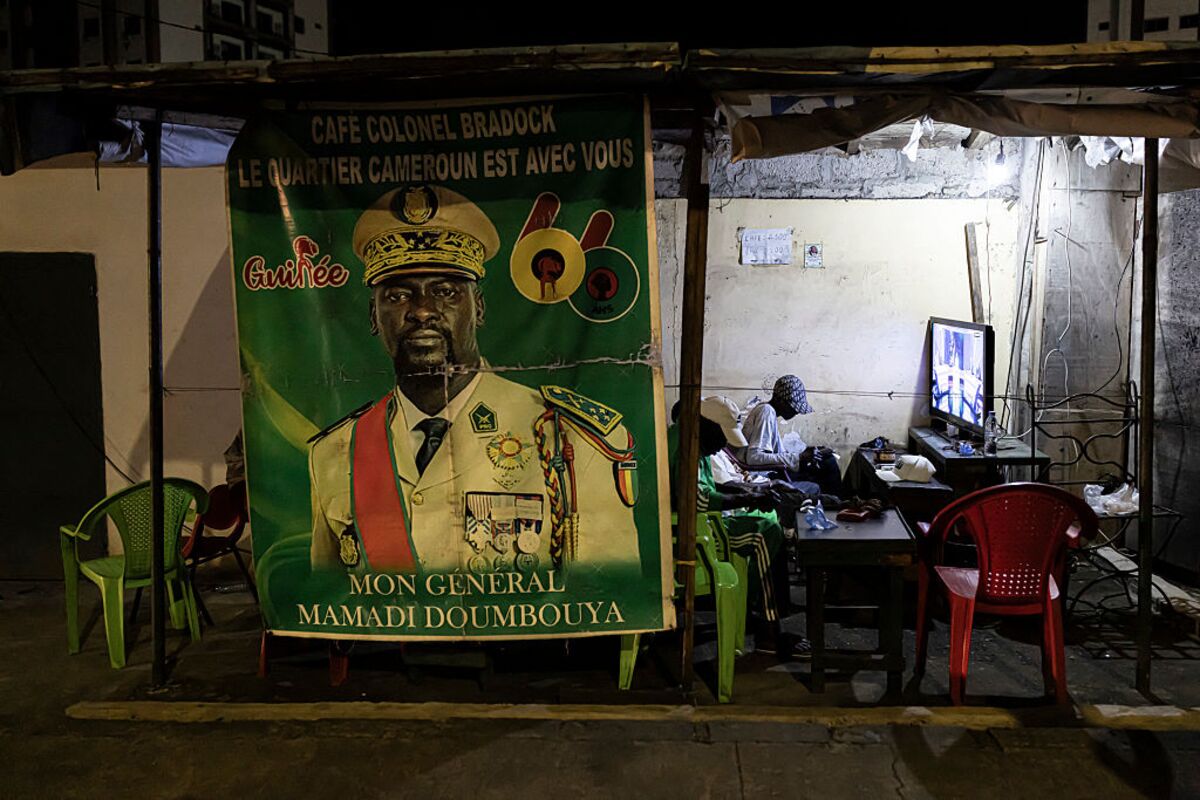
Guinea's military leader, General Mamadi Doumbouya, has scheduled presidential elections for December 28th, following voter approval of a new constitution that permits his participation. This development signals a potential path to political transition, albeit one that solidifies the incumbent's role, and will be closely watched by investors given Guinea's strategic importance.
Guinea's military leadership has established a concrete timeline for a return to civilian rule, scheduling a presidential election for December 28th. This decision follows a recent referendum that approved a new constitution, critically enabling the incumbent junta leader, General Mamadi Doumbouya, to be a candidate. While the announcement provides a degree of political clarity and a formal path away from direct military governance, it also solidifies the potential for leadership continuity, entrenching the current power structure under a new electoral framework. For investors, this creates a mixed political risk profile; the move towards elections could be viewed as a stabilizing step, but the high probability of the incumbent's victory suggests policy and regulatory environments may see little fundamental change. The development warrants close observation as it shapes the medium-term political landscape of the strategically important West African nation.
AI-powered research, real-time alerts, and portfolio analytics for institutional investors.
Request DemoOverall Sentiment
neutral
Sentiment Score
0.00
