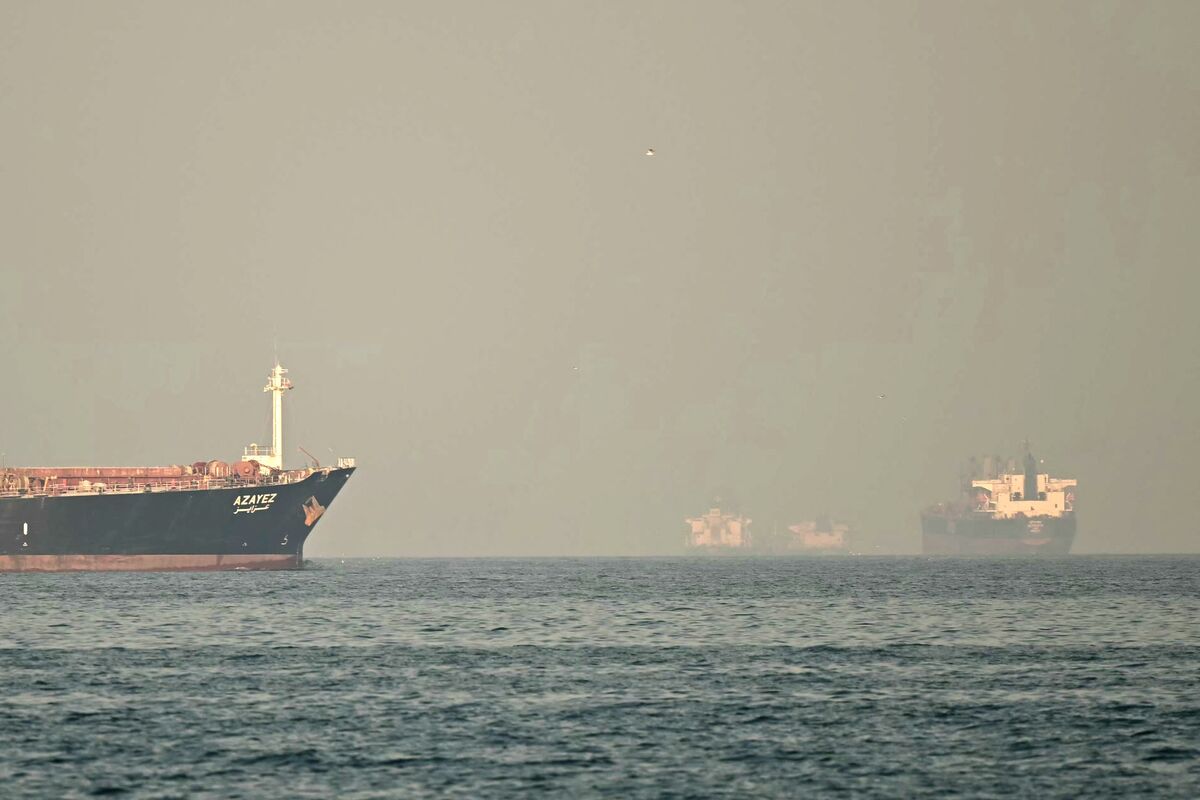
Iran agreed to allow 20 Pakistani-flagged vessels to transit the Strait of Hormuz, but many ships are being asked to reflag temporarily and pay fees in Chinese yuan or cryptocurrencies before receiving naval escort. Commodity traders were contacted by Pakistan to identify vessels that could sail under a Pakistani flag, highlighting a workaround to security risks after a tanker was stranded under threat from missiles and drones. This raises the risk of higher shipping friction and payment routing shifts (yuan/crypto), with potential knock-on effects for Middle East oil flows and logistics costs.
The emergence of a de facto maritime “tollbooth” that prefers friendly flags and accepts payment in non‑USD instruments creates an outsized, non-linear premium on access to shortest sea lanes. Expect a persistent bifurcation: vessels that can credibly demonstrate political cover will trade at a lower effective voyage cost, while the marginal barrel that must be rerouted or delayed will carry a 10–30% higher landed freight + insurance bill for weeks to months, tightening seaborne availability and widening Brent’s implied risk premium vs land‑connected crudes.
Compliance and reflagging schemes raise immediate tail risks for owners and charterers: a single US/UK enforcement action or insurer withdrawal can immobilize vessels and create stop‑loss cascades as counterparties refuse cargoes. These are high‑frequency catalysts (days–weeks) that can spike war‑risk premia and freight curves; a sustained shift to yuan/crypto fee settlement, however, is a multi‑year structural tail that incrementally erodes USD invoicing in regional trade.
Winners/acquirers of option value include tanker owners with benign legal footprints, boutique brokers and traders with rapid reflagging/operational capability, and reinsurers that can price war risk. Losers are refiners and markets dependent on predictable seaborne flows (complex refiners, hub arbitrage desks), and managers of floating storage who are long calendar spreads. Quantitatively: a 10–15 day reroute adds ~$0.8–$1.8m per VLCC voyage, which translates to meaningful upside to owner earnings if sustained over 1–3 quarters.
Key reversals are diplomatic accommodation, credible multinational escort corridors, or a large SPR release that relieves seaborne tightness; watch AIS darkening, registrar filings, sudden spikes in war‑risk premiums and Chinese/crypto settlement volumes as highest‑value signals in the next 1–12 months.
AI-powered research, real-time alerts, and portfolio analytics for institutional investors.
Request DemoOverall Sentiment
mildly negative
Sentiment Score
-0.25
