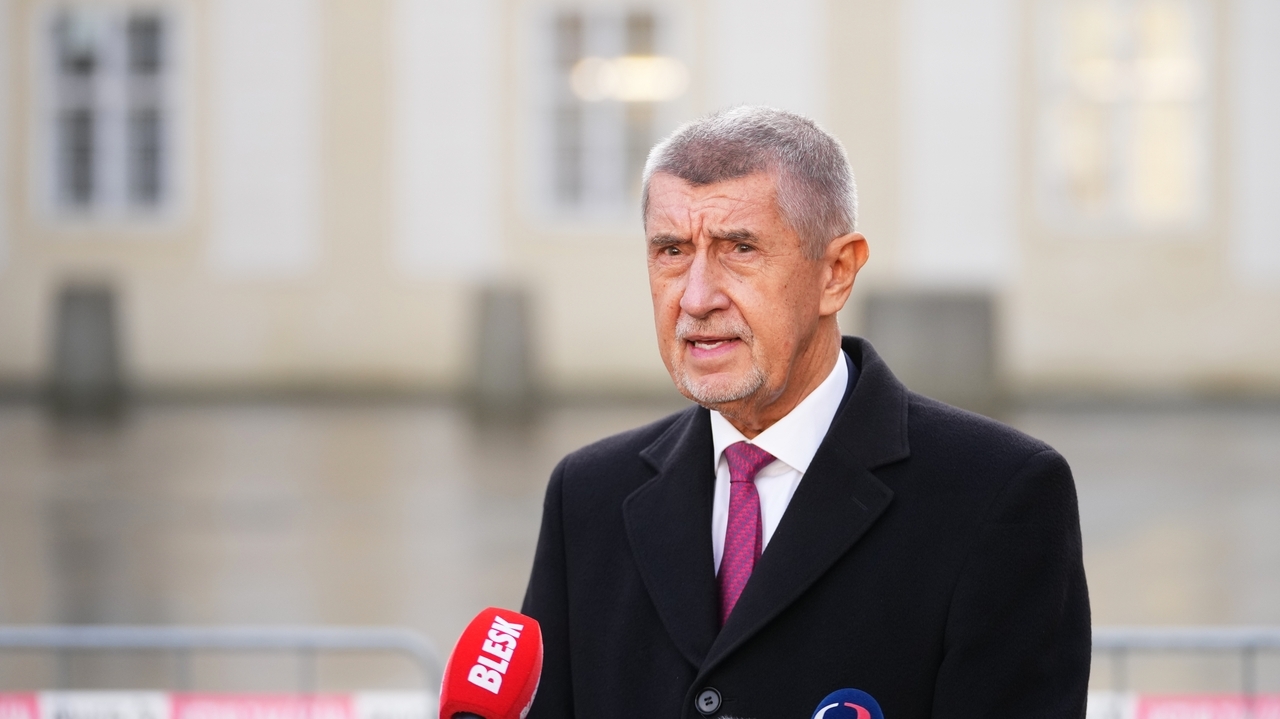
President Petr Pavel on Monday swore in a 16-member coalition government led by populist billionaire Andrej Babiš, ending the pro‑Western Petr Fiala administration; Babiš’s ANO movement holds eight Cabinet posts plus the premiership and governs with the anti‑migrant Freedom and Direct Democracy party (three ministers) and the Motorists for Themselves (four ministers). The new cabinet has signaled a clear shift away from support for Ukraine—Babiš has rejected financial aid and EU loan guarantees and is set to abandon a Czech initiative that secured about 1.8 million artillery shells—and is aligning with Viktor Orbán and Robert Fico on opposing EU sanctions and military assistance. Domestically the coalition’s platform includes cutting electricity prices, revoking a pension reform, changing public broadcaster financing (which critics say risks government control), reviving coal and tightening migration policy (the Freedom party seeks to expel most of some 380,000 Ukrainian refugees), marking a substantive rightward, euroskeptic realignment with potential to strain EU cohesion on Ukraine policy.
President Petr Pavel swore in a 16-member coalition led by populist billionaire Andrej Babiš on Monday, ending the pro‑Western Petr Fiala government; ANO holds eight Cabinet posts plus the premiership and governs with the Freedom and Direct Democracy party (three ministers) and the Motorists for Themselves (four ministers). Babiš, a former PM (2017–2021) who helped form the “Patriots for Europe” bloc with Viktor Orbán, returns with an explicit euroskeptic and rightward platform that realigns Prague with Hungary and Slovakia on key foreign‑policy positions.
The new government signaled a clear pivot away from support for Ukraine: Babiš has rejected financial aid and EU loan guarantees for Ukraine and intends to abandon a Czech initiative that earlier sourced roughly 1.8 million artillery shells, while the coalition partners oppose sanctions and in one case seek expulsion of most of about 380,000 Ukrainian refugees. Motorists’ leader Petr Macinka became foreign minister and the coalition will press issues at home including lower electricity prices, a roll‑back of pension reform, revival of coal, and changes to public broadcaster financing that critics say risk political control.
These shifts create near‑term geopolitical and regulatory risk for Central European markets and sectors exposed to energy policy, defense procurement, public‑sector contracting and fiscal policy; sentiment outputs show moderately negative tone and a material market‑impact score (0.55), implying a risk‑off reaction until policy clarity emerges.
AI-powered research, real-time alerts, and portfolio analytics for institutional investors.
Request DemoOverall Sentiment
moderately negative
Sentiment Score
-0.50
