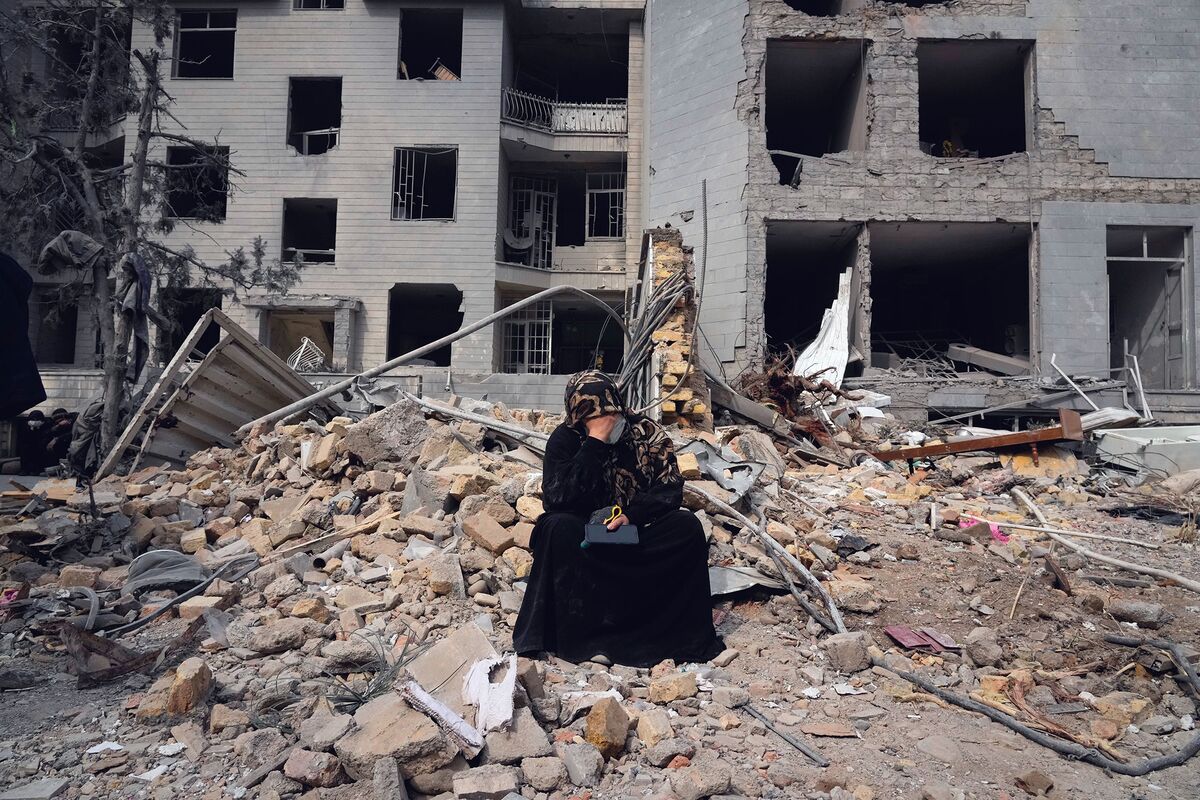
President Trump's repeated threats to destroy Iranian civilian infrastructure and his reported unilateral military actions (including strikes across ~6 countries) raise significant escalation risk. The article highlights erosion of international norms and strained alliances, creating the potential for a market-wide shock and a renewed global energy crisis that could materially widen risk premia and push oil and energy prices higher. Investors should treat geopolitical risk as elevated and position for increased volatility and risk-off flows.
Markets will price an elevated, stochastic risk premium across energy, shipping/insurance and defense with distinct timing: tanker routing and war-risk insurance repricing can lift seaborne transport cost within days, while durable budget and procurement repricing in defense plays out over quarters and years. Expect a near-term tilt to hard assets and volatility (days–weeks) and a multi-quarter uplift to defense cash flows if governments respond with procurement accelerations or sanctions that lengthen procurement lead times.
Second-order supply impacts are asymmetric: short-term crude and LNG disruptions are amplified by insurance/rerouting costs (a domestic producer’s delivered price can rise even if wellhead stays flat), while semiconductor and avionics supply chains face delayed but persistent dislocations from concentrated component vendors in the region or from airspace restrictions. Financial channels matter — risk-off positioning will lean into Treasuries and dollar strength quickly, compressing risk premia and pressuring EM FX within 48–72 hours, which in turn raises funding costs for commodity producers hedged in USD.
Catalysts and reversal pathways are clear and separable: days — shipping/insurance notices and early oil volatility; weeks — sanctions packages and allied coordination; months — Congressional funding votes and long-term budget shifts. A credible diplomatic de-escalation, coordinated SPR releases or clear allied limits on targeting would unwind most market dislocations; conversely, collateral incidents or expanded targeting of energy nodes would entrench a multi-quarter risk premium. Consensus underprices the speed at which insurance and rerouting costs flow into commodity prices and overprices the immediate permanence of budget reallocation absent Congressional buy-in.
AI-powered research, real-time alerts, and portfolio analytics for institutional investors.
Request DemoOverall Sentiment
strongly negative
Sentiment Score
-0.75
