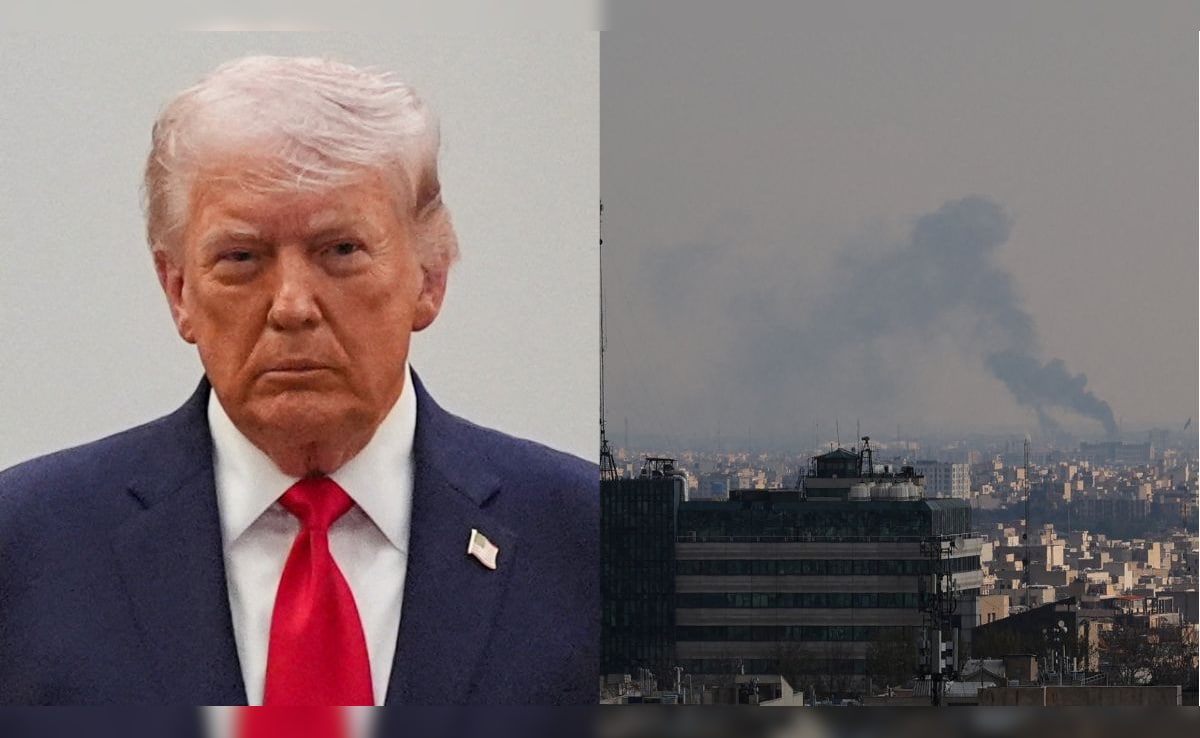
About 20% of global oil passes through the Strait of Hormuz, which Iran has effectively closed to enemies and President Trump has threatened to forcibly reopen; oil benchmarks opened above $110/bbl. Regional exchanges of strikes and air-defense intercepts continue (Iran hit power/desalination/oil facilities in Kuwait and an oil facility in Bahrain; UAE and Kuwait reported missile/drone intercepts), with at least 15 killed in Lebanon. A US-led mediation on a possible 45-day ceasefire is underway but sources say slim odds of a near-term deal; the incident set has prompted heightened geopolitical risk and a clear risk-off market reaction.
The market is pricing a sustained physical supply premium into oil and freight markets that may persist for weeks but is not yet structural. Higher tanker time-charter and war-risk premiums mechanically raise delivered crude costs to refiners in Asia and Europe by a margin equal to ~2-6% of crude value (roughly $2–$6/bbl at $110), which widens refinery cracks in the short run while compressing refinery throughput economics and pushing refined-product imports into deficit regions. Defense-equipment and maintenance demand will ramp on a multi-quarter cadence (missile interceptors, C4ISR sustainment, spare-parts logistics), creating a durable order flow window for prime defense contractors and niche aerospace MROs.
Second-order supply-chain effects will favor firms with controllable logistics footprints: tank storage owners, terminal operators with access to alternative chokepoints, and insurers writing war-risk who can rapidly reprice. Conversely, just-in-time industrials and export-dependent EM corporates in supply chains that route through the Gulf will see margin pressure and FX volatility; expect a 3–7% downside swing in susceptible EM FX baskets if disruption persists beyond 30 days. The market also underestimates the speed at which a limited diplomatic de-escalation (45-day truce) would depress volatility — futures curve contango could collapse within 7–21 days of credible ceasefire signalling.
Tactically, this is a convex environment: buy limited-duration optionality on oil/defense exposure and sell duration-heavy carries that suffer from elevated transport costs. Liquidity will episodically vacate small-cap energy service names; avoid being long low-quality balance sheets through this period and prefer large-cap integrateds with balance-sheet optionality and buyback capacity.
AI-powered research, real-time alerts, and portfolio analytics for institutional investors.
Request DemoOverall Sentiment
strongly negative
Sentiment Score
-0.80
