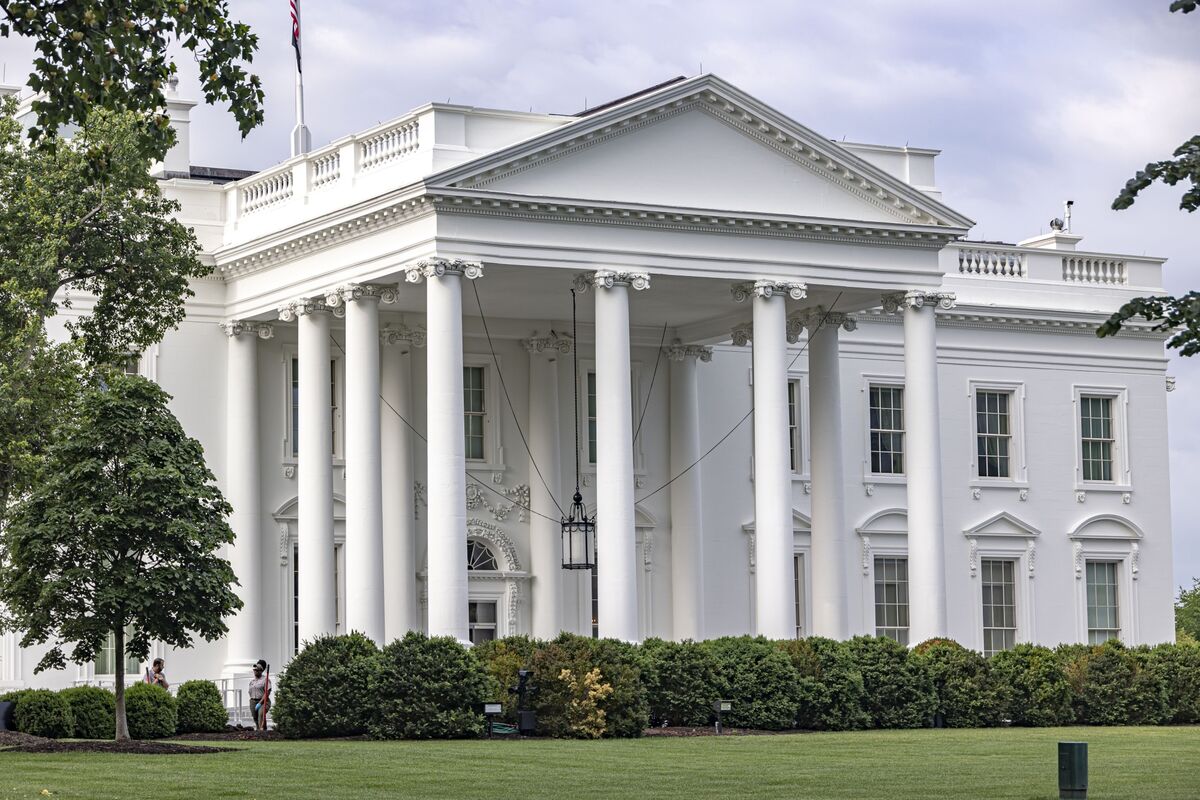
The White House budget office has directed federal agencies to prepare for mass firings in the event of a government shutdown, a significant departure from previous protocols that typically involved furloughs with eventual back pay. This instruction signals a potentially more severe and disruptive funding lapse, which could have broader economic implications for various sectors and consumer spending than prior shutdowns.
The White House budget office's directive for federal agencies to prepare for mass firings, rather than furloughs, marks a significant escalation in potential government shutdown protocols. This deviates from recent historical precedent, where furloughed workers typically received back pay, thereby muting the long-term economic impact. The shift to permanent terminations introduces a new layer of systemic risk, threatening a direct and lasting shock to consumer spending and confidence, particularly in regions with high federal employment. The strongly negative sentiment score (-0.75) and high market impact score (0.7) signal that market participants should view this not as routine political posturing, but as a credible threat of a more severe and economically damaging fiscal event that could increase market volatility and trigger a flight to safety.
AI-powered research, real-time alerts, and portfolio analytics for institutional investors.
Request DemoOverall Sentiment
strongly negative
Sentiment Score
-0.75
