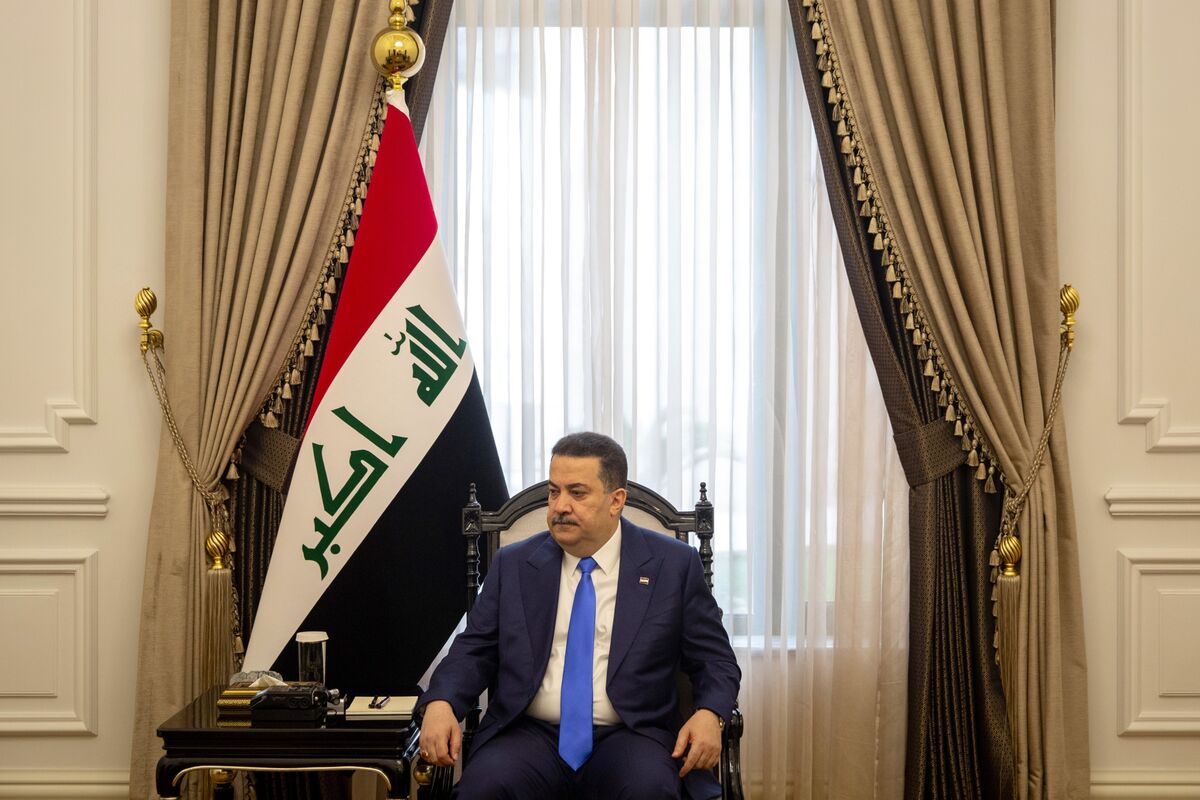
Iraq's Prime Minister Mohammed Shia Al-Sudani has pledged significant economic reforms, including cutting the budget deficit, boosting private-sector employment, and attracting foreign direct investment, if re-elected for a second term in the upcoming November 11 election. With his Construction and Development Coalition widely expected to win, these proposed policy shifts could significantly impact the economic landscape of OPEC's second-largest oil producer.
Iraq's Prime Minister Mohammed Shia Al-Sudani's pledge for significant economic reforms, including cutting the budget deficit, boosting private-sector employment, and attracting foreign direct investment, signals a potential shift in the nation's economic policy if he secures a second term. Analysts widely anticipate his Construction and Development Coalition to win the November 11 election, lending credibility to the proposed agenda and contributing to a moderately positive sentiment surrounding these developments.
These reforms are particularly pertinent for Iraq, given its status as OPEC's second-largest oil producer, as they aim to diversify the economy and reduce reliance on oil revenues. The focus on private sector growth and FDI suggests an intent to foster a more robust and sustainable economic environment beyond the energy sector.
The optimistic tone surrounding these political commitments, coupled with a moderate market impact score, indicates that while these are significant policy intentions, their full economic realization and impact will depend on successful implementation post-election. This situation presents a key political and economic inflection point for the emerging market.
AI-powered research, real-time alerts, and portfolio analytics for institutional investors.
Overall Sentiment
moderately positive
Sentiment Score
0.55
