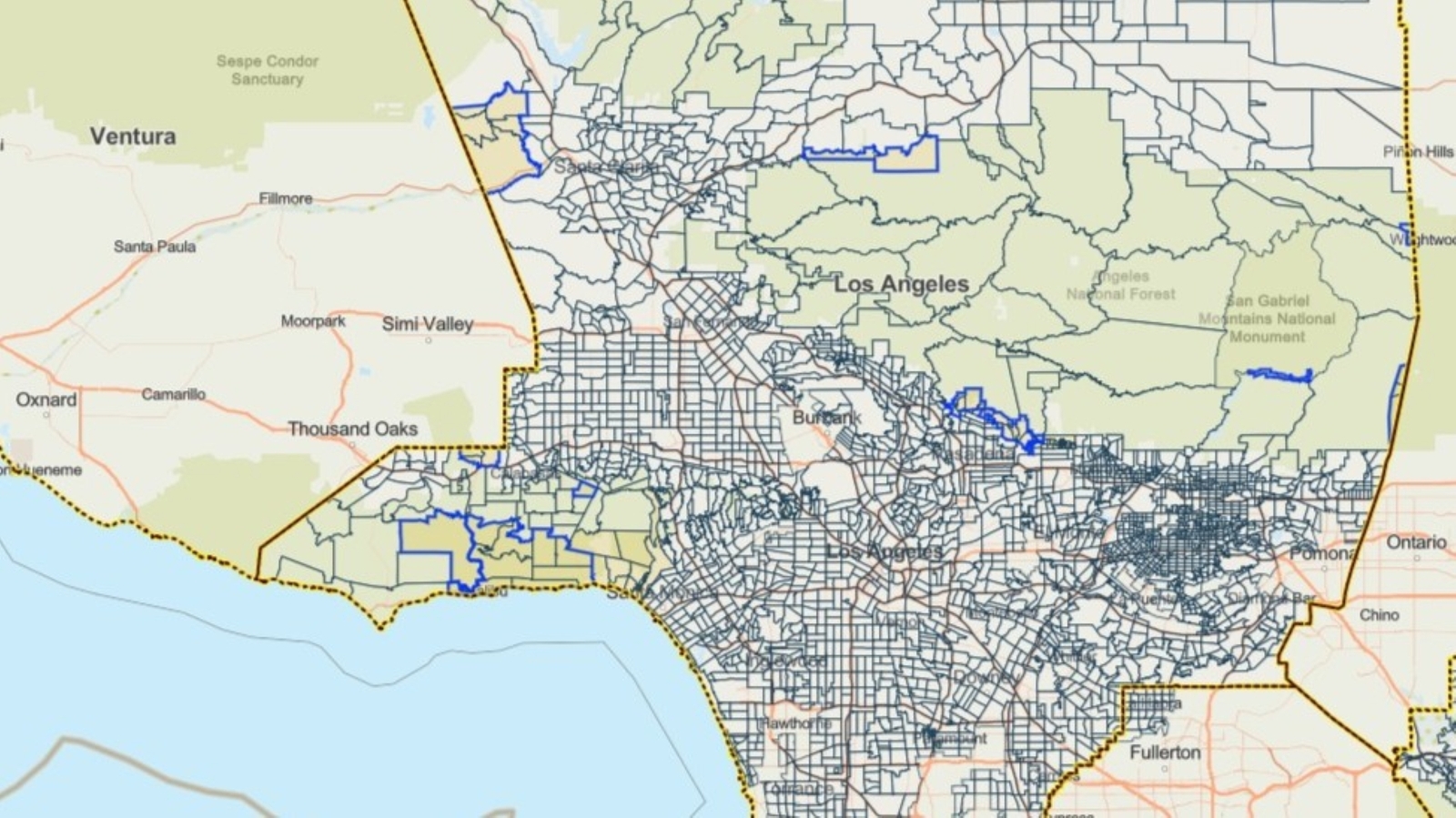
Los Angeles County published an interactive evacuation map as Southern California braces for a storm forecast to deliver heavy rain with risks of flash flooding and debris flows, particularly near recent wildfire burn scars. Several evacuation warnings were in effect for communities near those burn areas as of Monday, raising the potential for localized property damage, emergency response costs and short-term disruptions to residents and services. The event poses limited broad market risk but could affect insurance claims, local real estate, and municipal operations in impacted areas.
Market structure: Acute heavy rain over wildfire burn scars creates concentrated near-term demand for debris removal, aggregates and waste services (positive for WM, VMC) while raising short-term loss exposure for regional property & casualty underwriters (Allstate, Travelers). Pricing power shifts toward contractors and specialty remediation firms for 1–3 months; insurers face claims acceleration and potential rate-impact for 1–4 quarters depending on loss magnitude. Cross-asset: modest risk-off may boost short-dated US Treasuries and USD; insured-loss uncertainty should lift implied volatility in insurer equities and catastrophe-linked instruments.
Risk assessment: Tail risk is a localized high-loss scenario (>$250–500M insured losses) from debris flows that could force reserve taps or hit Q4 earnings for mid-sized P/C carriers. Immediate (0–7 days) operational disruption dominates, short-term (weeks–months) claims and construction demand follow, long-term (quarters) depends on regulatory/state mitigation funding and building-code responses. Hidden dependencies include municipal cashflow stresses and accelerated muni issuance, and contagion into local real-estate and hospitality revenues if evacuation damage persists.
Trade implications: Tactical shorts on regional insurer equity or volatility (30–60 day puts) and longs in waste/remediation and aggregates (WM, VMC) are highest probability; expect 3–8% moves over 1–3 months on moderate losses. Hedge muni-duration exposure to guard against larger FEMA/state funding-driven issuance; expect muni supply shock to depress prices if county declares major disaster. Options: use 30–90 day asymmetric structures to cap premium outlay while capturing skew in insurer IV.
Contrarian angles: Consensus may underweight debris-removal winners because headlines focus on insurers; stocks like WM and VMC commonly lag in immediate coverage but can realize 2–6% bumps during active cleanup. Conversely shorting large diversified insurers may be crowded and over-penalize firms with reinsurance; size put exposures small (<=2% each) and use event-driven triggers (NOAA rainfall >2–3" in burn-scar basins within 48 hours or county damage estimate >$250M) to scale in/out.
AI-powered research, real-time alerts, and portfolio analytics for institutional investors.
Request DemoOverall Sentiment
mildly negative
Sentiment Score
-0.30
