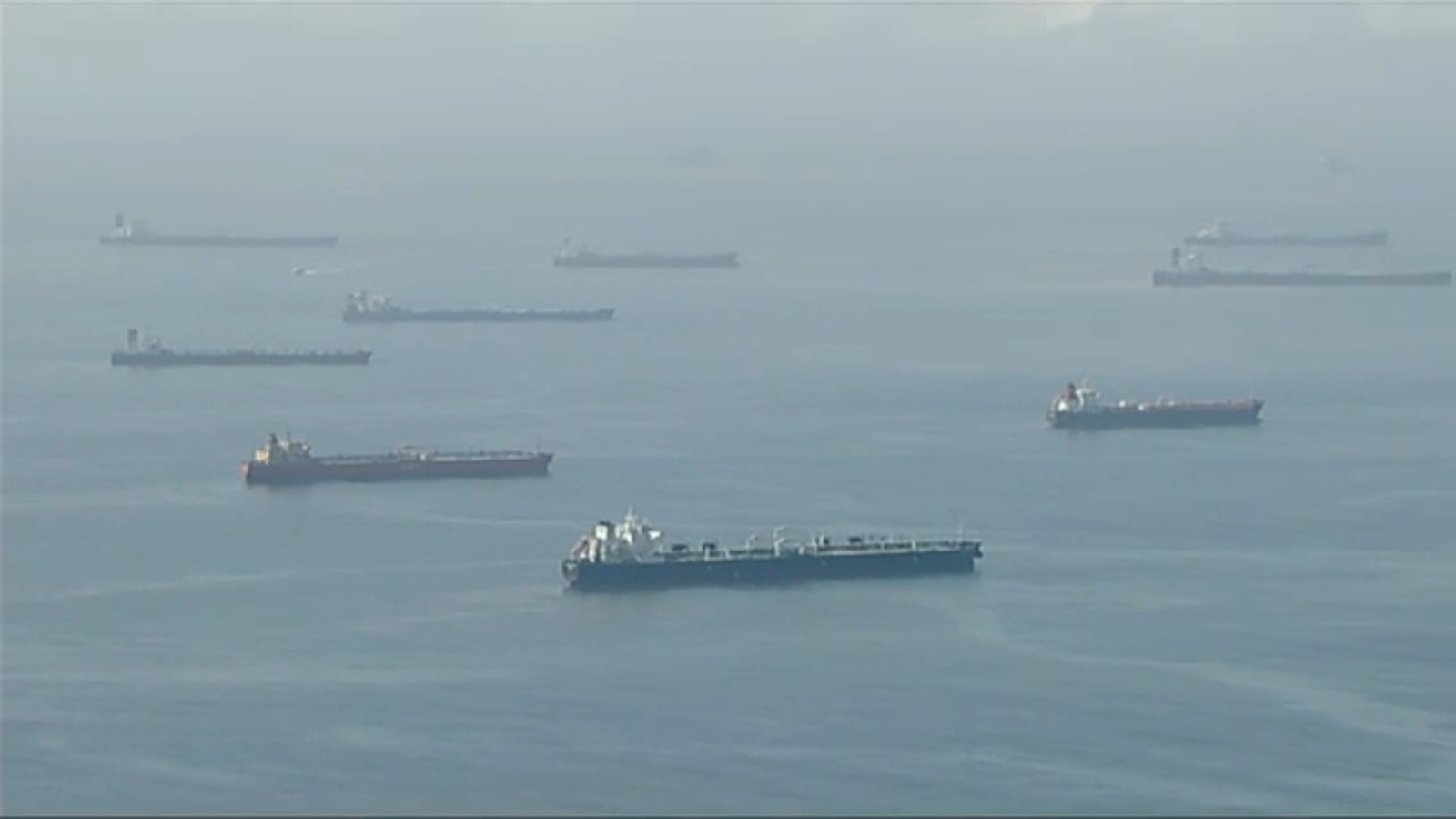
Escalation of conflict near Iran has effectively closed the Strait of Hormuz—through which roughly 20% of global oil transits—producing immediate supply disruptions and prompting GasBuddy to forecast a $0.10–$0.30/gal rise in U.S. pump prices (Los Angeles already near $4.50/gal). If the closure persists, higher crude costs could cascade into increased prices for fertilizer, plastics and logistics, raising inflationary pressures and adding political risk ahead of U.S. midterm elections.
Market structure: Immediate winners include upstream oil producers and tanker owners (spot tanker rates and storage demand); tactical beneficiaries are integrated E&Ps (XOM, CVX) and refiners with strong gasoline exposure (VLO, MPC) if product cracks widen. Losers will be fuel‑sensitive demand sectors — airlines (AAL, DAL), logistics (UPS, FDX) — and EM importers; a 10–30% reduction in Strait throughput implies a shortfall that bids Brent/WTI higher and raises RBOB/gasoline futures by cents-per-gallon within days. Cross‑asset: higher oil increases inflation breakevens (TIPs), pushes nominal yields up (flattening risk if central banks react), strengthens commodity currencies (CAD, NOK), and raises implied volatility across energy options.
Risk assessment: Tail risks include a prolonged (30+ day) closure or escalation that could add $15–30/bbl to Brent and spark consumer price shocks ahead of elections; military disruption to tankers or blockades is low probability but high impact. Time horizons split: immediate (days) — supply disruption premium and gasoline pump spikes ($0.10–0.30/gal); short (weeks–months) — inventory draws, higher refining margins or stress; long (quarters+) — capex re‑allocation to upstream and political/election responses that may cap fuel taxes/subsidies. Hidden dependencies: bunker fuel and shipping insurance spikes, fertilizer and plastics feedstock cost pass‑through, and countermeasures (strait re‑routing, OPEC spare capacity) that can blunt shocks.
Trade implications: Favor front‑month crude and RBOB upside exposure via call spreads while hedging downside in cyclicals. Prefer refiners (VLO, MPC) long vs airlines short; consider long tanker equities or VLCC timecharter plays (NAT) for storage/rate arbitrage if contango widens. For portfolio risk, add inflation protection (TIP, GLD) and short-dated interest rate protection if yields spike.
Contrarian angles: The market may overprice permanent supply loss; historical closures (e.g., 2019 Gulf incidents) produced sharp but often transient spikes as alternative routes/spare capacity were deployed. Mispricings: short-duration oil volatility could be overstated — buy 1–3 month call spreads rather than naked calls. Unintended consequences: sustained oil >$100 could accelerate demand destruction in transport and political interventions (price caps or release of SPR) that reverse moves within 2–3 months.
AI-powered research, real-time alerts, and portfolio analytics for institutional investors.
Request TrialOverall Sentiment
moderately negative
Sentiment Score
-0.60
