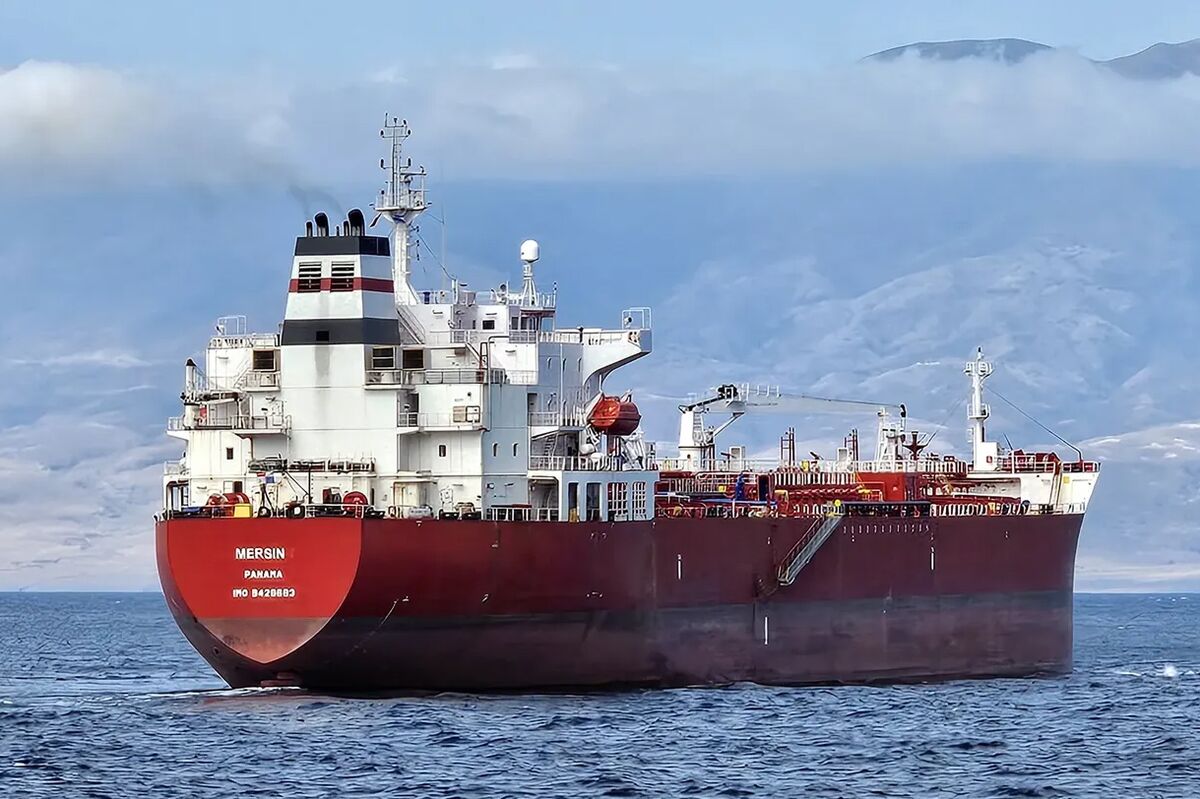
An oil tanker, the Mersin, carrying diesel was struck by four external explosions near Dakar, Senegal, according to manager Besiktas Shipping; seawater entered the engine room but the vessel is stable, crew are safe and there has been no pollution. This is the third vessel with links to Russia reported hit in recent days, raising regional shipping-security risk and potential short-term insurance and logistics premiums for fuel shipments through West Africa, though immediate supply disruption appears limited.
Market structure: Attacks on Russia-linked tankers are a positive shock to tanker owners and short-term crude/distillate sellers: expect upward pressure on tanker time-charter (TC) rates and a widening of middle-distillate (diesel/gasoil) cracks for weeks. Direct losers are Russia-linked ship managers, re/insurers underwriting war-risk policies and regional West African diesel importers that face spot premium inflation; energy majors with integrated refining (XOM, CVX) gain pricing optionality. Competitive dynamics shift pricing power to owners of modern Aframax/Suezmax/VLCC capacity and insurers able to reprice war-risk quickly; market-share reallocations occur via reflagging and route changes, not immediate fleet expansion.
Risk assessment: Immediate tail risks include escalation to a sustained campaign or closure/avoidance of chokepoints, which could add a $5–$15/bbl risk premium to Brent and increase war-risk insurance by +50–200% within 30–90 days. Short-term (days–weeks) sees volatility spikes in freight and diesel cracks; medium-term (3–6 months) sees rerouting costs and refinery feedstock reshuffles; long-term (6–24 months) could trigger higher capex in alternative routes and increased onshore storage. Hidden dependencies: insurance contract wording, reflagging lead-times, and refinery feedstock flexibility; catalysts that would accelerate moves include additional strikes, naval convoys, or insurer exclusions for Russia-linked risk.
Trade implications: Tactical opportunities include long exposure to tanker equities (Frontline FRO, Euronav EURN) and short-dated diesel/ULSD call spreads to capture crack widening; protective plays include buying 1–3 month Brent call spreads (ICE Brent) for asymmetric upside with defined cost. Pair trades: long FRO/EURN (supply squeeze) vs short container/refined product logistics equities (MAERSK/HLAG.DE) that suffer higher Bunker and rerouting costs; options: buy 1–3 month FRO/EURN 2:1 call spreads to lever a freight rally while capping downside. Entry/exit: deploy within 48–72 hours, scale up if VLCC/Suezmax TC rates rise >25% week-over-week, trim if Brent reverts by >$5 from peak.
Contrarian angles: Consensus may over-state permanence — historical episodic tanker shocks (2018–2019 Gulf incidents) produced 1–3 month premiums before mean reversion once naval protection/insurance terms adjusted; inventories can absorb shortfalls within 6–12 weeks. Risk of crowding into tanker names may price in a permanent premium; unintended consequences include political pressure to secure routes which would remove premium quickly. Set strict triggers: stop-loss if TC rates collapse back to pre-event levels or if Brent falls >$6 from event peak within 30 days.
AI-powered research, real-time alerts, and portfolio analytics for institutional investors.
Request DemoOverall Sentiment
moderately negative
Sentiment Score
-0.30
