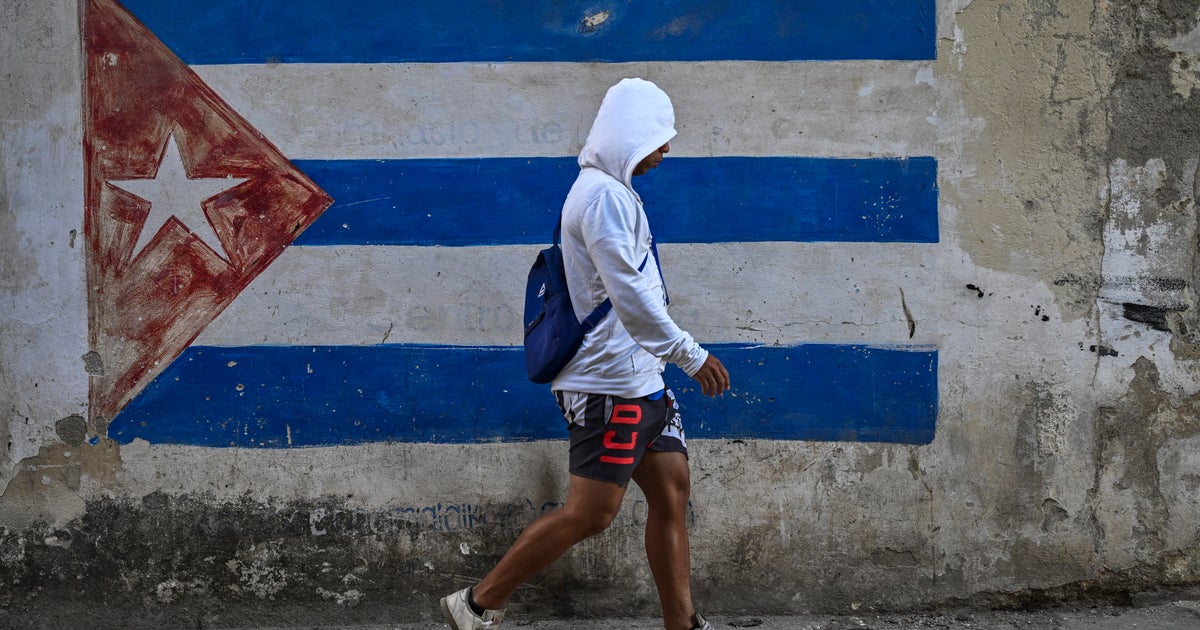
A Russian tanker, Anatoly Kolodkin, carrying ~730,000 barrels of oil is off Cuba and expected to deliver fuel to Matanzas by Tuesday, with an estimated ~180,000 barrels of diesel (roughly 9–10 days of Cuba's diesel demand). President Trump publicly said he has "no problem" allowing the sanctioned vessel (sanctioned by the US, EU and UK) to deliver relief, creating short-term sanctions-enforcement and geopolitical uncertainty. The event provides localized relief to Cuba's fuel crisis but is unlikely to materially move global oil prices; it does raise regional political risk and potential further US actions against Cuba.
The administration's ad hoc tolerance for a sanctioned tanker signals a shift from binary sanctions enforcement to transactional, situational waivers — that behavior raises a predictable two-tier market: a short-term arbitrage in physical flows versus an increased probability of delayed, targeted secondary actions. Expect a measurable rise in risk premia priced into voyage costs and insurance (war/penalty loads), which will show up first in time-charter and spot rates for Aframax/Suezmax segments and in short-term bids for physical cargoes in the Caribbean and Gulf Coast hubs.
Operationally, shipowners willing to accept elevated regulatory and insurance complexity can extract outsized spread capture on east-west island routes for weeks to months, while mainstream commodity traders and majors will de-risk by raising compliance and routing costs — squeezing merchanting margins. If the White House pivots to secondary sanctions within 1–6 months, counterparty credit and cargo-finance availability will contract sharply, reversing the ad-hoc flow and causing a sudden drop in spot freight and forced asset redeployments.
For energy markets, the macro impact is negligible but the micro effect concentrates in regional diesel/bunker availability and margins; refiners with flexible feedstock can arbitrage higher local diesel spreads for a quarter or two. The most actionable signal: market prices will respond to policy clarity (or lack thereof) within trading days, but capital redeployment, insurance repricing, and legal risk realization will play out over 4–24 weeks — creating a window for tactical, high-conviction plays in shipping, insurance brokerage, and niche refining exposures.
AI-powered research, real-time alerts, and portfolio analytics for institutional investors.
Request DemoOverall Sentiment
neutral
Sentiment Score
0.00
Ticker Sentiment
