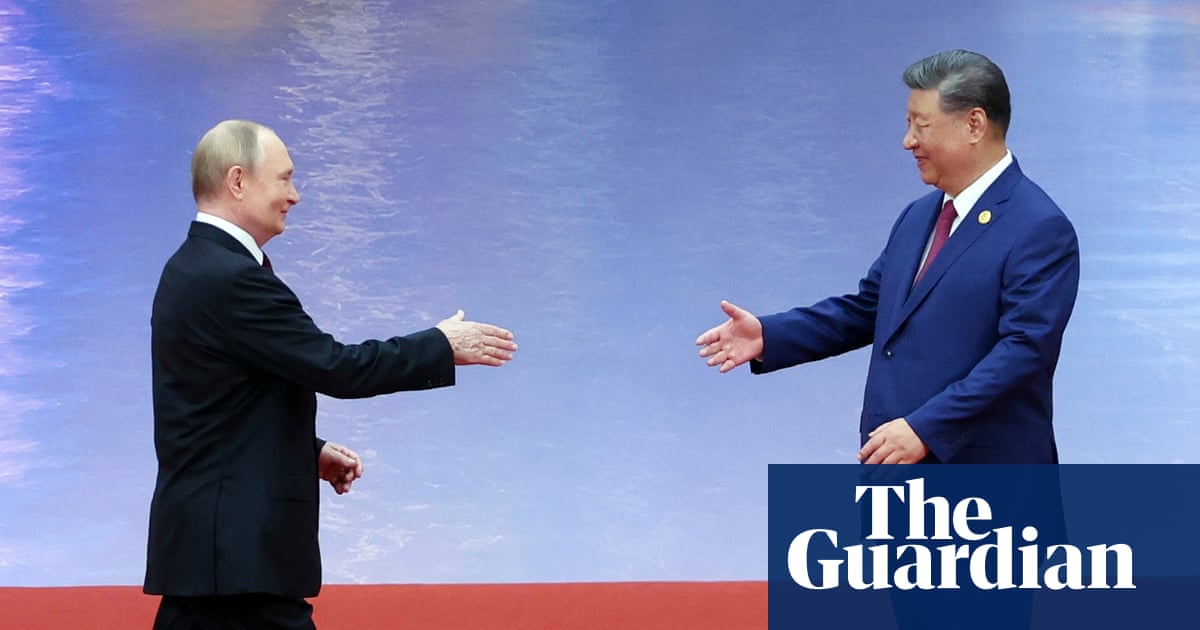
The Shanghai Cooperation Organisation (SCO) summit in Tianjin, China, convened leaders from over two dozen nations, including Xi Jinping, Modi, and Putin, aiming to challenge US-led blocs and foster a multipolar world order. The summit notably reinforced the 'limitless' China-Russia partnership, driven by shared geopolitical interests and Russia's economic reliance on China amid the Ukraine war, while also facilitating efforts to rebuild China-India trade relations and resolve border issues, especially following recent US tariffs on Indian goods. This gathering underscores a strategic realignment of Eurasian powers, aiming to establish alternative geopolitical and economic frameworks.
The Shanghai Cooperation Organisation (SCO) summit in Tianjin signifies a deliberate and strengthening consolidation of a Eurasian bloc aimed at challenging the US-led global order. The high-profile bilateral meetings, particularly between Xi Jinping and Vladimir Putin, reaffirm their 'limitless' partnership, which is fundamentally driven by a shared opposition to the United States and Russia's increasing economic dependency on China following its invasion of Ukraine. However, this alliance is not without complexities, as noted by an academic source indicating Beijing's pragmatism and hesitation to provide unfettered support that could trigger further Western sanctions. Concurrently, the summit facilitates a potential rapprochement between China and India, with Prime Minister Modi's first visit in seven years occurring just after the US imposed 50% tariffs on Indian goods. This development suggests a strategic recalibration by regional powers seeking alternatives to Western-centric economic and political frameworks. The event's high market impact score of 0.7 underscores the material risk and opportunity presented by this geopolitical realignment, which could reshape global trade, security alliances, and energy flows.
AI-powered research, real-time alerts, and portfolio analytics for institutional investors.
Overall Sentiment
mixed
Sentiment Score
0.00
Ticker Sentiment
