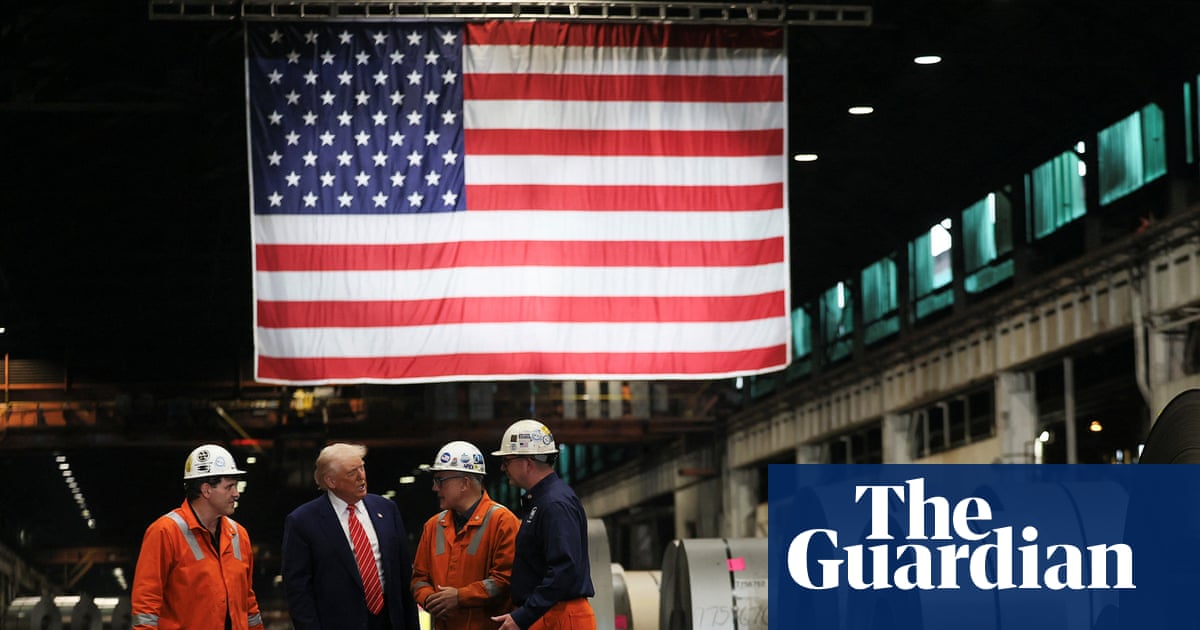
A new analysis indicates that impending Trump tariffs could elevate domestic factory costs by 2% to 4.5%, potentially leading to wage stagnation, layoffs, and plant closures for US manufacturers operating on slim margins. This challenges the administration's narrative of job creation and economic benefit, as companies face increased input costs—even from domestic suppliers due to reduced competition—and are likely to pass half of these costs to consumers, risking inflation and slower growth. The findings highlight significant economic and political headwinds for the tariff policy, particularly given recent manufacturing job losses and the reliance of key sectors on imports.
A new analysis from the Washington Center for Equitable Growth indicates that impending tariff increases could elevate domestic factory costs by 2% to 4.5%, posing a significant risk to manufacturers with slim profit margins. This cost pressure, described as a potential "cash squeeze," could lead to wage stagnation, layoffs, or even plant closures, directly contradicting the administration's objective of a factory revival. The impact extends beyond direct importers, as demonstrated by the 5-10% price increase in domestic steel coil following 50% tariffs on foreign steel, which allowed domestic producers to raise prices due to reduced competition. This dynamic suggests broad-based margin compression across the industrial sector. Furthermore, an Atlanta Federal Reserve survey suggests companies may pass half of these costs to consumers, fueling inflation risks and challenging the assertion that inflation has been eliminated. The policy's headwinds are already evidenced by the 14,000 manufacturing jobs lost after the April tariffs, with particular political and economic risk concentrated in swing states like Michigan and Wisconsin, where over 20% of jobs are in highly exposed sectors. Even future-focused sectors like AI and electronics face challenges, as over 20% of their inputs are imported.
AI-powered research, real-time alerts, and portfolio analytics for institutional investors.
Overall Sentiment
moderately negative
Sentiment Score
-0.50
Ticker Sentiment
