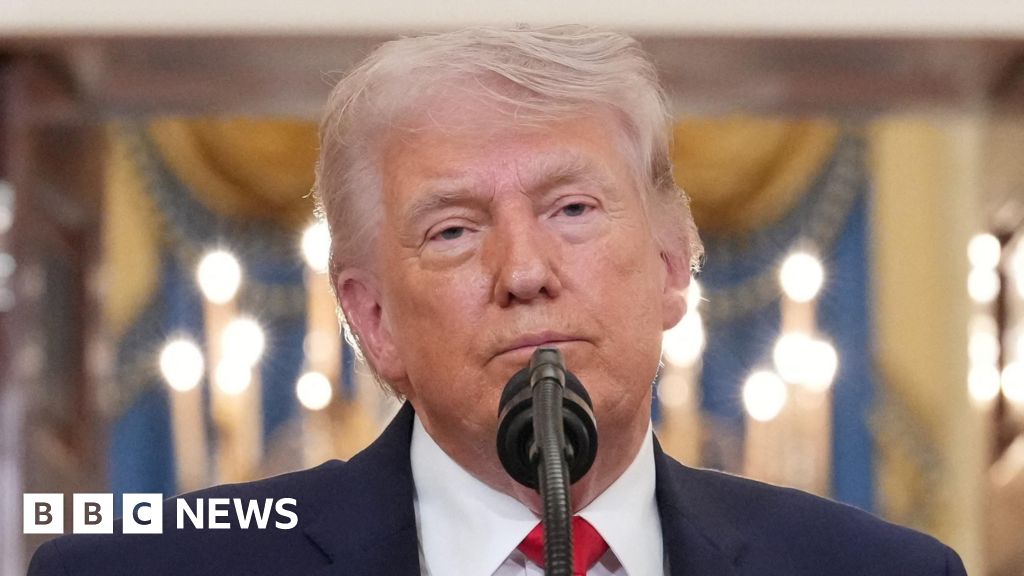
Key event: President Trump said the US is on track to achieve military objectives in Iran "shortly, very shortly," offering a new timeline of "over the next two to three weeks"; the campaign began on 28 February and reaches six weeks on 11 April. Administration messaging is inconsistent — Defense Secretary Pete Hegseth has emphasised tactical ambiguity, other officials have said "only just the beginning," while Secretary of State Marco Rubio said "we can see the finish line." For portfolios, the persistent timeline uncertainty elevates headline-driven volatility risk for defense, energy and emerging market assets; recommend defensive positioning and active monitoring of geopolitical headlines.
Uncertainty around the conflict’s duration is manifesting as a two-speed market: defense and adjacent industrial suppliers are benefiting from an immediate risk-premium and fast-tracked procurement, while global trade-exposed sectors (airlines, leisure, container shipping) are pricing in elevated operational friction and route disruptions. Expect defense primes to convert backlog into visible revenue within 6–18 months, delivering 10–20% EPS upside versus consensus if spending is reallocated; conversely, airline revenue at risk in the next quarter could compress margins by 5–12% where hedges are thin.
Commodity and insurance channels are second-order transmission mechanisms. A protracted run-up in geopolitical risk would widen oil and freight premia quickly; a short sharp spike in energy prices (days-weeks) is likely to be mean-reverting, while a months-long premium embeds structural capex responses and demand elasticity that lift select energy producers for multiple quarters. Reinsurers and specialty insurers will see rate resets over 3–12 months — that creates a temporary earnings tailwind but also latent underwriting volatility.
Politically, the path of escalation vs de-escalation reshuffles fiscal priorities. Sustained uncertainty increases the probability of accelerated defense appropriations within this electoral cycle, crowding out discretionary domestic programs and raising the odds of longer-duration fiscal deficits. Key near-term catalysts that will move markets are congressional funding votes, major maritime insurance repricing announcements, and any credible diplomatic ceasefire — each capable of flipping risk assets within days to weeks.
AI-powered research, real-time alerts, and portfolio analytics for institutional investors.
Request DemoOverall Sentiment
neutral
Sentiment Score
0.00
