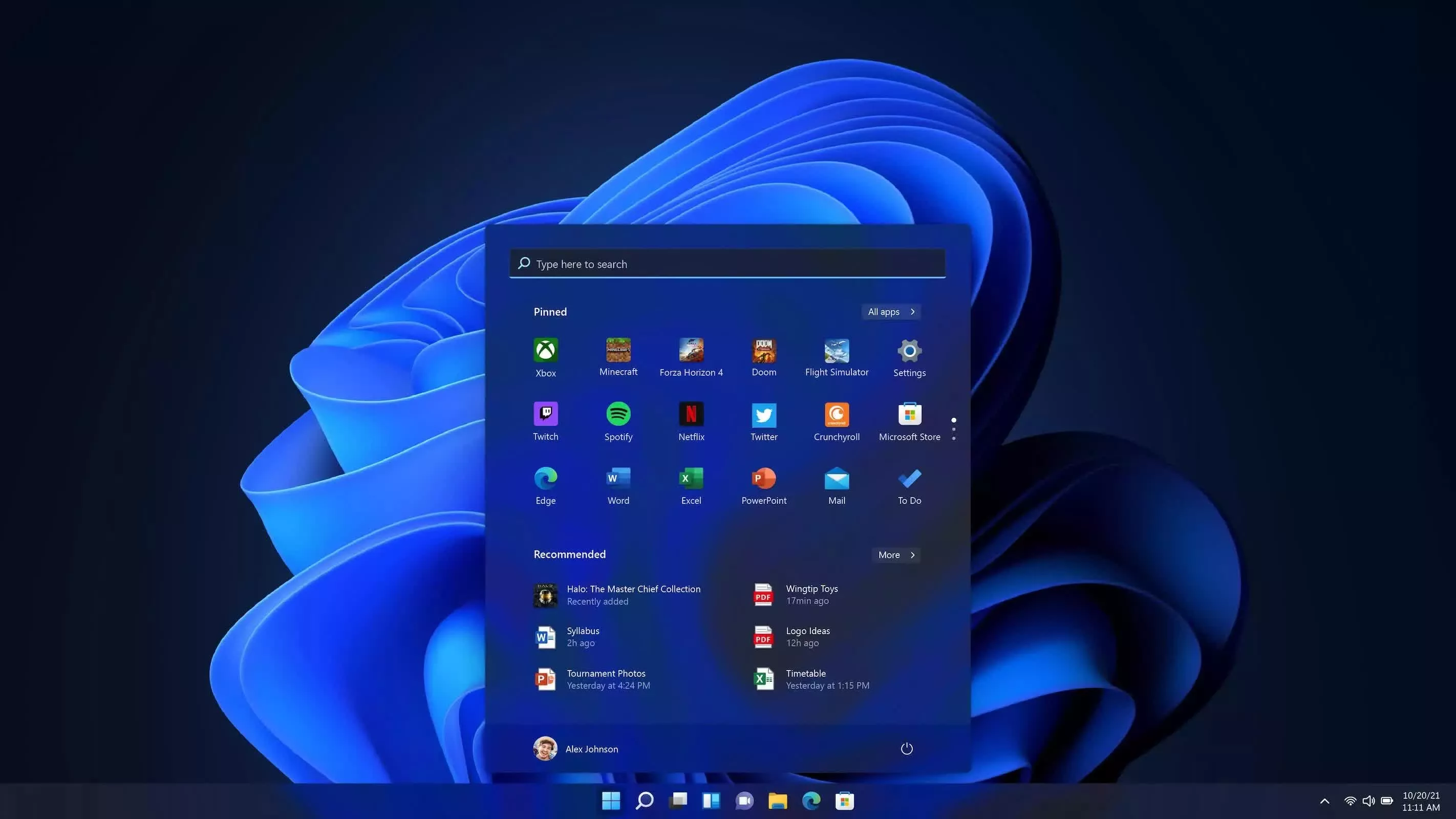
Microsoft announced it will rebuild Windows 11 apps as "100% native" and has formed a dedicated team to lead the effort. The initiative is positioned to improve responsiveness, memory use and UI consistency and complements an upcoming Windows 11 update that speeds File Explorer, context menus and moves the Start menu to WinUI. Which apps will be rebuilt and how strictly "100% native" will be enforced remains unclear, but the shift away from web/Chromium wrappers has developers paying attention.
Microsoft’s pivot to fully native Windows apps is less about UI polish and more about reclaiming a performance and monetization wedge that web wrappers surrendered. Over 12–24 months this can measurably reduce memory/CPU footprints on the margin, improving battery life on thin-and-light devices and lowering TCO for enterprise fleets—an advantage that OEMs and any ARM-based laptop initiatives can monetize through refresh cycles and SKU upsell.
Second-order winners include developer-tool and silicon suppliers that win because of changed app profiles: demand shifts from Chromium-based runtimes toward compiled frameworks (WinUI/.NET, native C++/Rust), which favors vendors that supply compilers, performance profilers, and SoC partners optimized for native workloads. Conversely, companies that built business models around Electron/Chromium runtimes (desktop-first consumer apps) face non-trivial reengineering bills and slower feature cadence, creating multi-quarter execution risk and potential user churn.
Execution is the key catalyst and the main downside risk. Rewriting a portfolio of first- and third-party apps is a multi-year program; missed deadlines or partial hybrids (native shells with WebView islands) would blunt UX improvements and delay any material store monetization lift. Monitor developer hiring, WinUI adoption rates, and OEM refresh cycles over the next 6–18 months—if those datapoints accelerate, the strategy transitions from tactical messaging to a durable competitive moat for Windows.
A contrarian outcome: if costs and dev friction prove larger than expected, Microsoft could double down on performance tooling for Chromium instead of full rewrites, leaving the status quo largely intact. That pivot would materially reduce the realized upside for software and silicon partners betting on a wholesale native renaissance.
AI-powered research, real-time alerts, and portfolio analytics for institutional investors.
Request DemoOverall Sentiment
mildly positive
Sentiment Score
0.20
Ticker Sentiment
