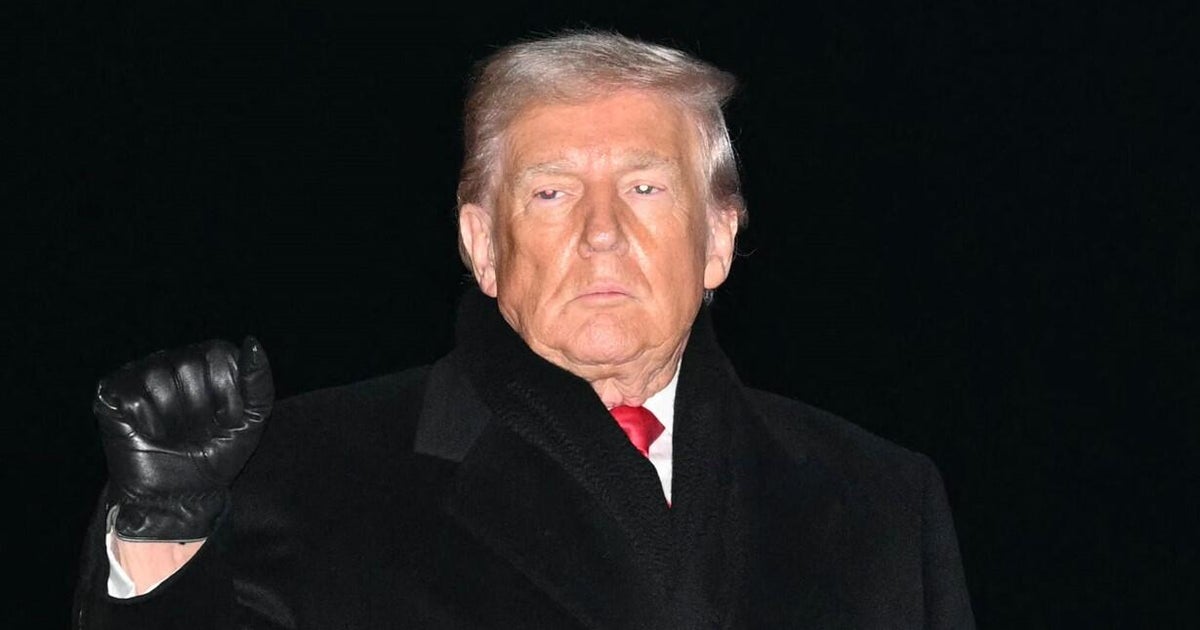
President Trump traveled to Davos amid escalating tensions with NATO and EU allies over his bid to acquire Greenland, threatening 10% tariffs on eight close partners and declining to rule out military options. European leaders including Ursula von der Leyen, Emmanuel Macron and Mark Carney publicly pushed back, warning of a durable shift in the international order and criticizing U.S. coercion; a Danish pension fund said it would sell U.S. Treasuries, though the U.S. Treasury adviser dismissed that as negligible. Markets reacted negatively to the tariff threat, with the Dow down 1.8%, the S&P 500 down 2.0% and the Nasdaq down 2.4%, signaling risk-off positioning and potential continued volatility for equities and sovereign debt flows.
Market structure: The Davos episode elevates geopolitical risk premium — expect near-term risk-off flows (equities -2% tail seen) into defense, hard commodities and safe-havens. Direct winners: large defense primes (LMT, NOC, RTX) and critical-minerals producers (MP, LYSDY/ALB) as Arctic/Greenland strategic rhetoric increases perceived resource security value. Losers: European cyclical exporters and integrated supply-chain plays that rely on tariff-free access to US/EU markets; outsized policy uncertainty compresses discretionary spending and raises volatility.
Risk assessment: Tail risks include a rapid tariff spiral (10% tariffs threat expands) or coordinated allied financial responses (meaningful sovereign bond selling) that could lift U.S. 10y yields by +20–50bp and widen EUR/USD swings >3% in weeks. Immediate (days): VIX spikes and directional equity drawdowns of 3–6%; short-term (weeks–months): re-pricing of defense capex and mining M&A; long-term (quarters–years): partial de-globalization raising input-cost inflation 100–300bp above baseline for affected supply chains. Hidden dependencies: pension fund rebalancing (Denmark example) can amplify moves in Treasuries and EUR liquidity.
Trade implications: Tradeable ideas include 2–3% tactical longs in LMT/NOC (6–12 month horizon) and 1–2% exposure to MP/LYSDY for resource optionality; hedge using 1–2% GLD and a 0.5–1% VIX-call calendar to protect vs 3–6% equity drops. For rates, buy IEF (7–10y) opportunistically if 10y yield drops >15bp on risk-off; conversely add short-duration protection (buy 2s/10s flattener) if tariffs become inflationary.
Contrarian angle: Consensus treats this as purely political theater; markets may overprice permanent NATO rupture. If Davos lends no policy follow-through within 30–60 days, European equities (EZQ/EWG) and cyclical miners will re-rate higher — consider buying selective Euro exporters on 6–8% pullbacks. Historical parallel: short-lived 2018 tariff scares reversed; look for mean-reversion signals (VIX normalizing, yields stabilizing) before trimming hedges.
AI-powered research, real-time alerts, and portfolio analytics for institutional investors.
Request DemoOverall Sentiment
moderately negative
Sentiment Score
-0.45
