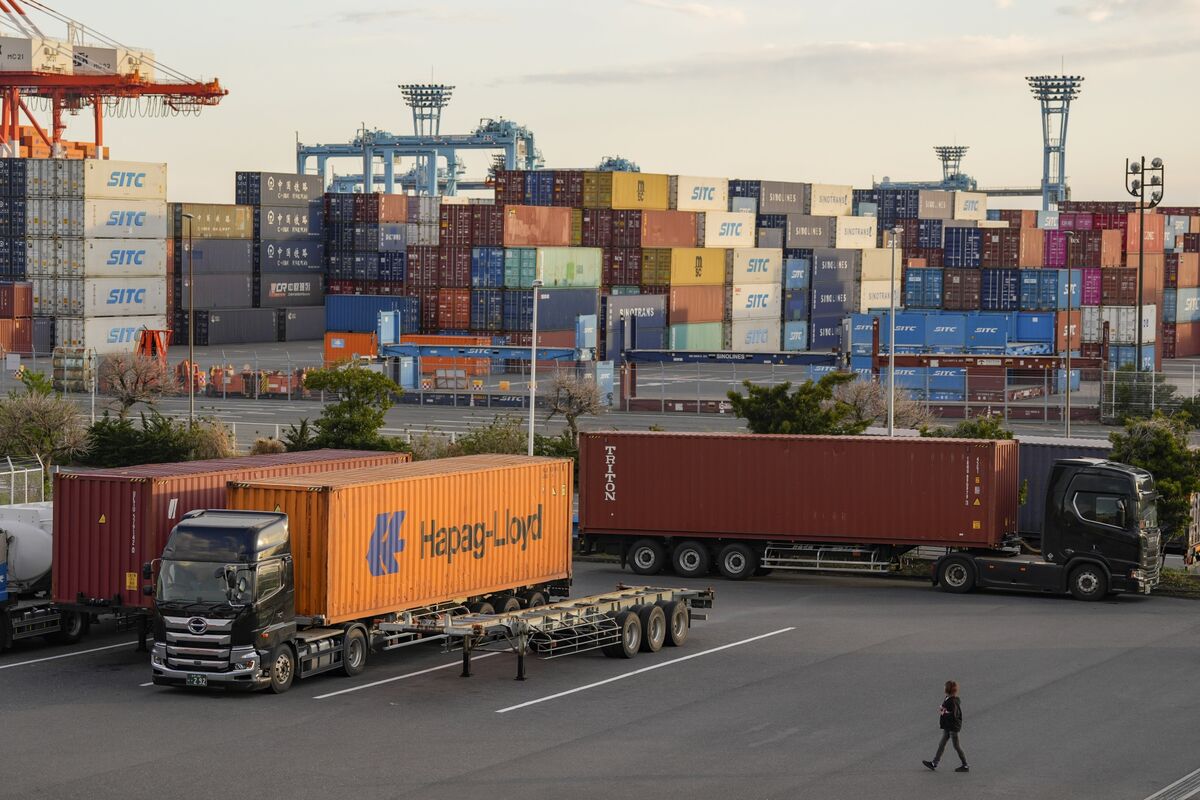
Japan's export growth slowed to 2% in April, down from 4% in March, due to decreased shipments of cars and steel, according to the Ministry of Finance. This deceleration, occurring as the U.S. increased tariffs, raises concerns about a potential recession, especially given Japan's economy already contracted prior to the tariff increases. Imports also declined by 2.2%, driven by reduced coal and crude oil purchases.
Japan's export growth decelerated to 2% year-over-year in April, a notable slowdown from the 4% growth recorded in March, primarily due to reduced shipments of cars and steel. This development, reported by the Ministry of Finance, coincides with the intensification of U.S. tariff measures and occurred while exports were just below median analyst estimates. The data indicates a tangible impact of trade protectionism on Japan's externally-oriented economy. Compounding these concerns, Japan's economy had already experienced a contraction prior to the full effect of these tariffs, thereby heightening the risk of a recession. Simultaneously, imports registered a 2.2% decline, led by lower purchases of coal and crude oil, which could suggest weakening domestic demand or inventory adjustments. The overall sentiment surrounding this data is negative, reflecting increased pessimism about Japan's near-term economic prospects.
AI-powered research, real-time alerts, and portfolio analytics for institutional investors.
Request DemoOverall Sentiment
Negative
Sentiment Score
-0.30
