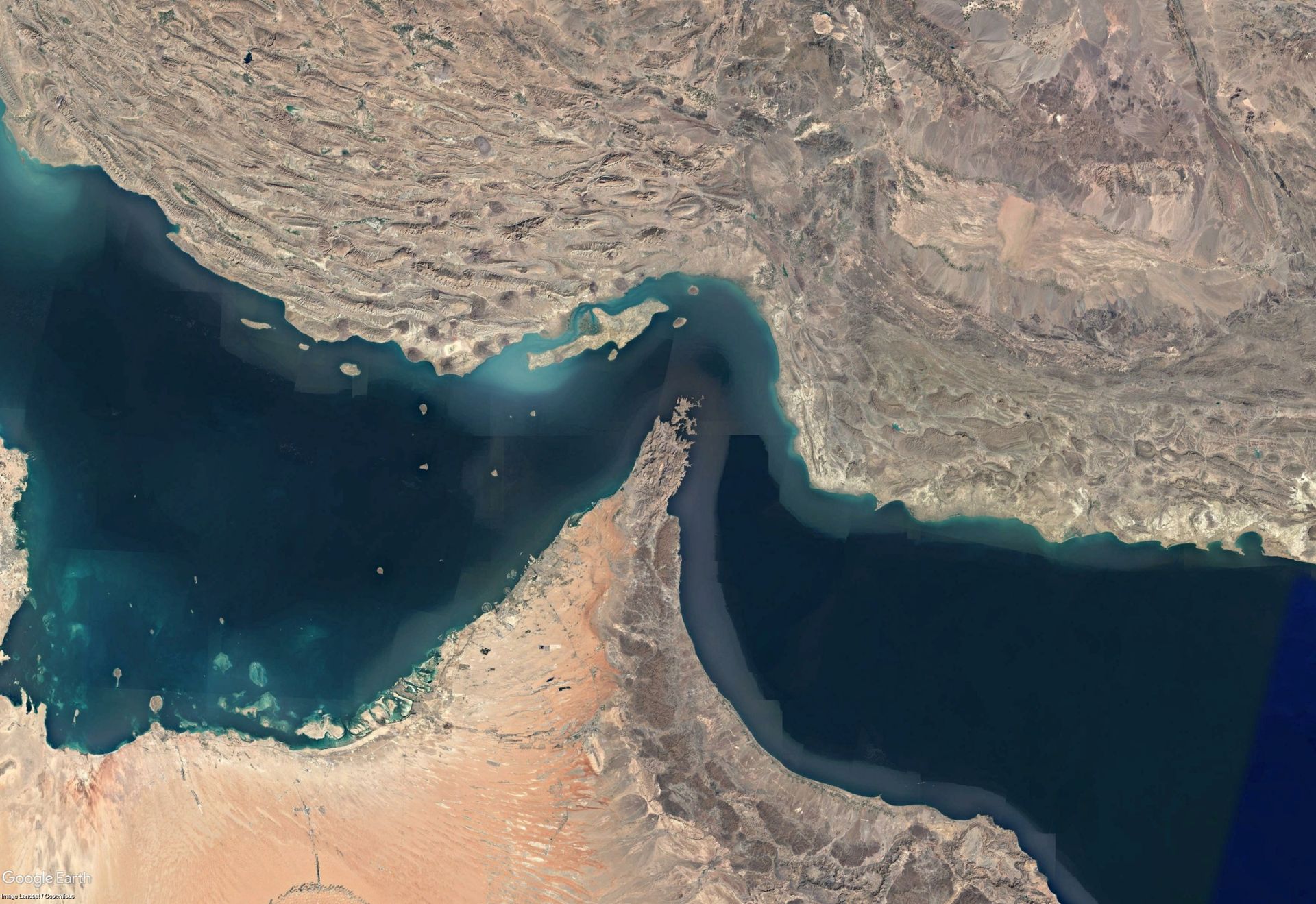
Traffic through the Strait of Hormuz fell by at least 94% in March after IRGC attacks, threatening roughly 20% of global oil and LNG flows. Ukraine is offering naval unmanned systems and operational experience (e.g., Magura V5, Sea Baby, Mamay, FPV drone integration) to provide a forward defensive layer to protect convoys in real time, but its capabilities are limited to defending against drones/missiles and cannot clear mines or suppress coastal launch sites. That contribution could reduce immediate shipping risks and generate revenue for Ukrainian defense firms, but would not eliminate Iran's ability to disrupt shipments and is therefore a sector-level (energy/transport) risk rather than a market-wide resolution.
The market is pricing a binary outcome — either a quick diplomatic reopening or a protracted, noisy interdiction that keeps freight risk premia elevated. If disruption persists more than 30-90 days, expect compound effects: spot tanker rates and time-charter contracts reprice, LNG destination flexibility collapses for marginal cargoes, and Asian refiners substitute short-cycle feedstock purchases for longer-term term contracts; that mechanically amplifies backwardation and forces inventory drawdowns that support crude and product crack spreads.
A second-order winner set is not just missile-makers but modular, low-cost systems suppliers and integrators able to sell “consumable” defensive layers and maintenance contracts at scale — think high-volume unmanned surface/air systems and EW suites. Gulf customers will prefer solutions that are politically deniable, repeat-purchase friendly, and rapid to deploy; this favors nimble mid-cap contractors and system integrators over legacy platforms and creates multi-year recurring revenue potential if procurement shifts from capital ships to attritable layers.
Insurance and freight intermediaries will see a short-term windfall in premiums but a long-term volume risk: higher rates boost brokers’ fees and Lloyd’s market profits while sustained route disruption reduces commercial volumes and underwriting pools. Finally, the Ukraine angle raises operational leakage and sanction risk: supplying expendable swarm architectures to non-state or third-party navies raises legal/settlement timelines that could blunt capital inflows to certain defense-tech names even as order books grow.
AI-powered research, real-time alerts, and portfolio analytics for institutional investors.
Request DemoOverall Sentiment
mixed
Sentiment Score
0.05
