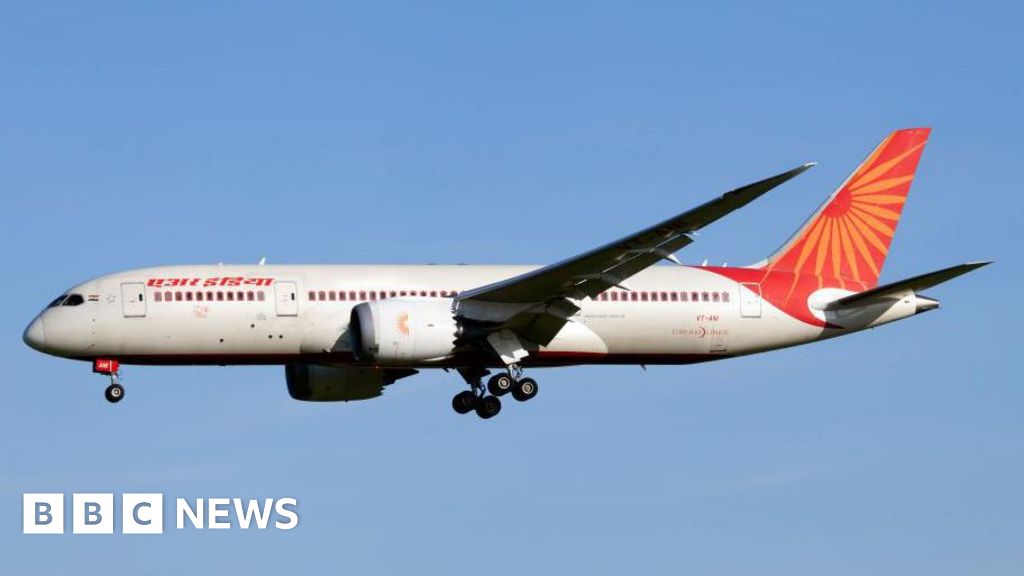
India's DGCA found no defect in the fuel control switch of an Air India Boeing 787-8 Dreamliner after a pilot reported the switch did not remain positively latched twice during engine start on a London–Bengaluru flight; the switch behaved satisfactorily when operated per Boeing's recommended procedure. The regulator performed checks on the affected aircraft and another Dreamliner, has asked Air India to circulate Boeing's operating procedure to crews, and the incident is being reviewed against an ongoing AAIB investigation into a June 787 crash that previously noted switches moved from 'run' to 'cut-off'.
Market structure: Short-term winners are aftermarket/MRO providers (AAR - AIR, HEICO - HEI) and Airbus (EADSY) which gain optional leverage if airlines reallocate orders; losers are Boeing (BA) and carriers reliant on 787s for long‑haul capacity (Air India, other long‑haul operators). If regulatory scrutiny forces even 5–10% of global 787 flight-hours offline for weeks, expect asymmetric pricing power for remaining long‑haul capacity and a near‑term spike in MRO billings (+10–20% for specialist suppliers over 3–6 months).
Risk assessment: Tail risks include an AAIB/FAA finding that leads to an Airworthiness Directive (AD) and multi‑week groundings; that scenario could trim BA EPS by 5–15% over two quarters and delay deliveries for 3–9 months. Immediate window (days): headline volatility; short (weeks–months): inspections/ADs and order reallocation; long (quarters–years): reputational damage, pricing power shift to Airbus and stronger aftermarket demand.
Trade implications: Favor asymmetric downside protection on BA: small, option‑based shorts (3–6 month puts/put spreads) sized 1–2% portfolio; run a relative pair (long EADSY 0.75% vs short BA 0.75%) over 6–12 months to capture order flow shifts. Add 0.5–1% long positions in AIR or HEI for expected MRO revenue lift; avoid broad airline longs — trim exposure to JETS by 1–2% until AAIB final report (60–120 days).
Contrarian view: Consensus treats this as procedural; that underprices regulatory reflex risk. Historical parallel: 737 MAX showed reputational and delivery shocks can persist 12–24 months; unintended consequence is higher aftermarket/MRO margins and potential surge in insurer reserves. Triggers to escalate positions: an AD affecting >5% of 787s or AAIB final within 90 days citing systemic cause.
AI-powered research, real-time alerts, and portfolio analytics for institutional investors.
Request DemoOverall Sentiment
neutral
Sentiment Score
0.08
Ticker Sentiment
