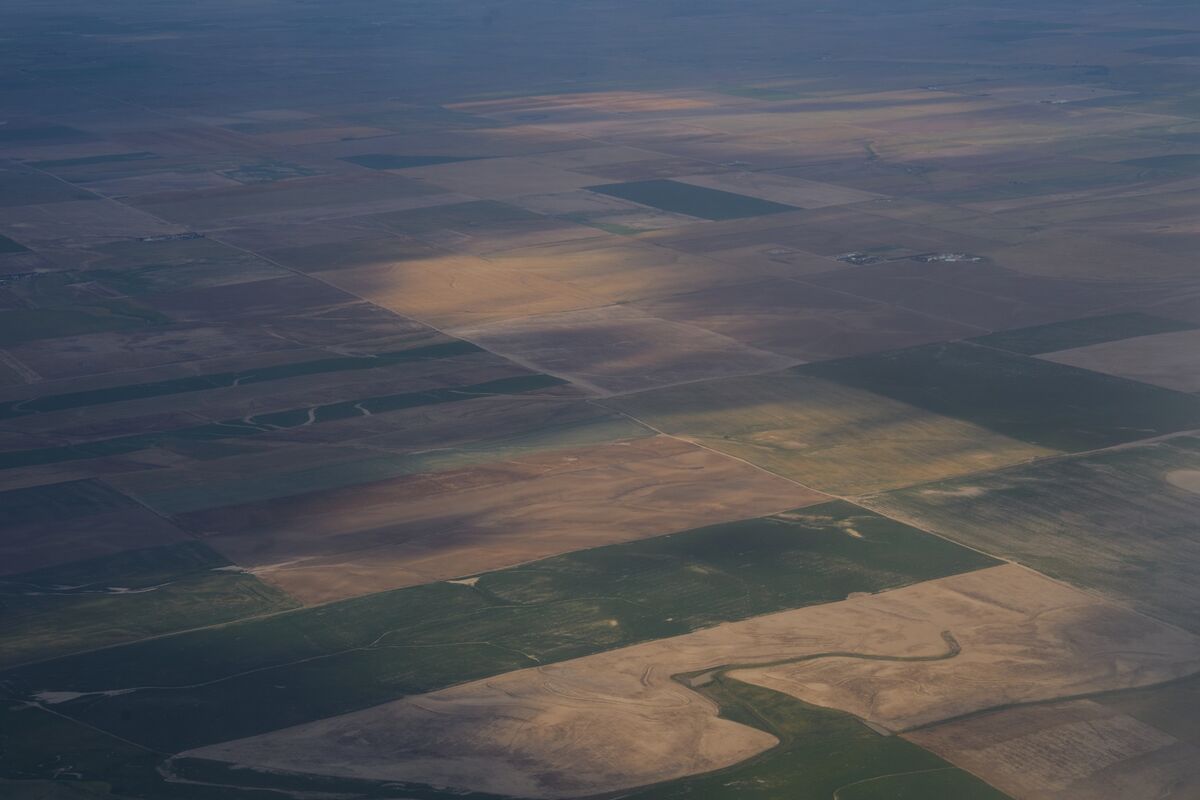
The Trump administration is intensifying efforts to curb foreign ownership of U.S. farmland, specifically targeting 'countries of concern' like China, citing national security. The USDA will collaborate with state lawmakers to block such acquisitions and partner with CFIUS to scrutinize foreign investments in the agricultural sector, indicating a significant tightening of regulatory oversight on non-U.S. agricultural asset purchases.
The U.S. executive branch is escalating regulatory oversight on foreign acquisitions of agricultural land, a move explicitly linked to geopolitical tensions with China. By empowering the Department of Agriculture to collaborate with state legislators and the Committee on Foreign Investment in the United States (CFIUS), the administration is creating a multi-layered review process designed to block purchases by nationals from "countries of concern." This policy shift introduces significant new deal friction and uncertainty for foreign investors in the U.S. agricultural sector. The action signals a protectionist stance on critical domestic assets and frames farmland ownership as a matter of national security, suggesting that future M&A activity in this space will be subject to heightened political and regulatory scrutiny.
AI-powered research, real-time alerts, and portfolio analytics for institutional investors.
Request DemoOverall Sentiment
mildly negative
Sentiment Score
-0.20
