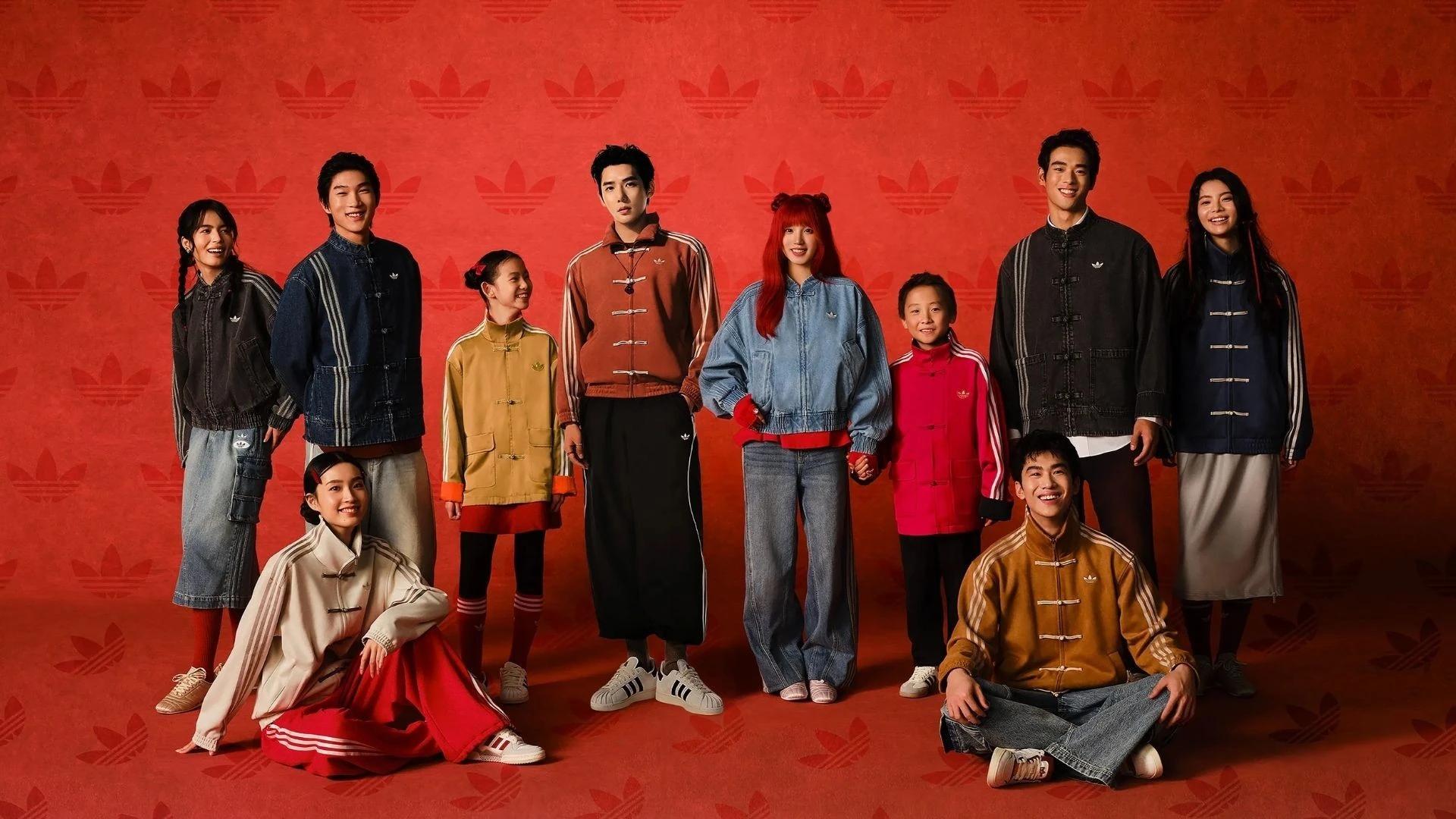
The piece argues that Western interest in Chinese culture is widespread but often superficial, and posits the Wasian (Western-Asian) diaspora as a potential cultural bridge that could help brands and media navigate authenticity between China and the West. References to consumer-facing names (e.g., Adidas) and a luxury business toolkit highlight implications for retail and luxury marketing strategies rather than near-term financial metrics. For investors, the takeaway is strategic: consumer and luxury companies targeting China/Western cross-cultural audiences may need more culturally authentic approaches to sustain demand and brand equity.
Market structure: Western brands (luxury, fashion, streaming, gaming) that can authentically leverage Wasian creators and hybrid narratives stand to capture incremental share in China and among global Asian diasporas; expect a 3–10% premium to user-engagement-driven revenue growth in targeted cohorts over 6–12 months versus peers that lean on surface-level China-themed marketing. Losers are incumbents that rely on one-size-fits-all Western creative playbooks (mid-tier fast fashion, mass-market FMCG) which may face downtrading and margin pressure as premiumization concentrates. Cross-asset: a sustained cultural bridge lifts discretionary equity beta, tightens credit spreads for well-positioned luxury names, supports CNH appreciation vs USD on improved tourism/consumption flows, and raises implied equity option vols around product drops and cultural events.
Risk assessment: Tail risks include nationalist backlashes, sudden regulatory restrictions on cross-border marketing/data (probability moderate, impact high), and viral cultural misfires that damage brands quickly; estimate a 5–15% downside shock to affected equities within weeks if severe. Immediate (days-weeks) moves will be driven by viral campaigns and product launches; short-term (3–6 months) by quarterly retail figures and tourist flows; long-term (1–3 years) by deeper assimilation of hybrid cultural products. Hidden dependencies: e-commerce platform algorithms, influencer affiliation economics, and mainland censorship dynamics that can amplify or kill reach non-linearly. Catalysts: major fashion weeks, travel-reopening milestones, China monthly retail >+5% YoY for two consecutive months, or high-profile influencer collaborations.
Trade implications: Direct plays: overweight selective luxury (LVMHY/LVMUY) and platform-anchored content owners (TCEHY) for 6–12 months; underweight mass-market apparel (ADDYY) and generic fast-fashion peers. Pair trades: long NKE (1–2% net) / short ADDYY (0.5–1%) over 3–6 months to express brand authenticity premium. Options: buy 3–6 month call spreads on LVMHY (bullish, limited debit) around China gifting seasons; buy put protection on exposed mid-cap retail names sizing for a 10–15% downside. Sector rotation: shift 3–6% from broad retail ETFs into luxury, selective consumer internet, and experiential travel equities.
Contrarian angles: Consensus treats China-themed Western interest as uniformly shallow; the missed point is the distribution multiplier from Wasian creators — a small number (~1–5% of creators) can generate outsized cross-border adoption, creating winner-take-most effects. The market may underprice asymmetric upside in niche luxury and branded experiential hospitality and overprice broad-market China exposure; look for sub-€500m market-cap fashion names where influencer-led adoption could drive 30–100% rev re-rating. Historical parallels: K-pop/K-beauty adoption (5–7 year secular uplift) suggests durable runway if brands invest authentically; unintended consequence is brand bifurcation—either premiumized or commoditized—so avoid middle-ground names.
AI-powered research, real-time alerts, and portfolio analytics for institutional investors.
Request DemoOverall Sentiment
neutral
Sentiment Score
0.00
