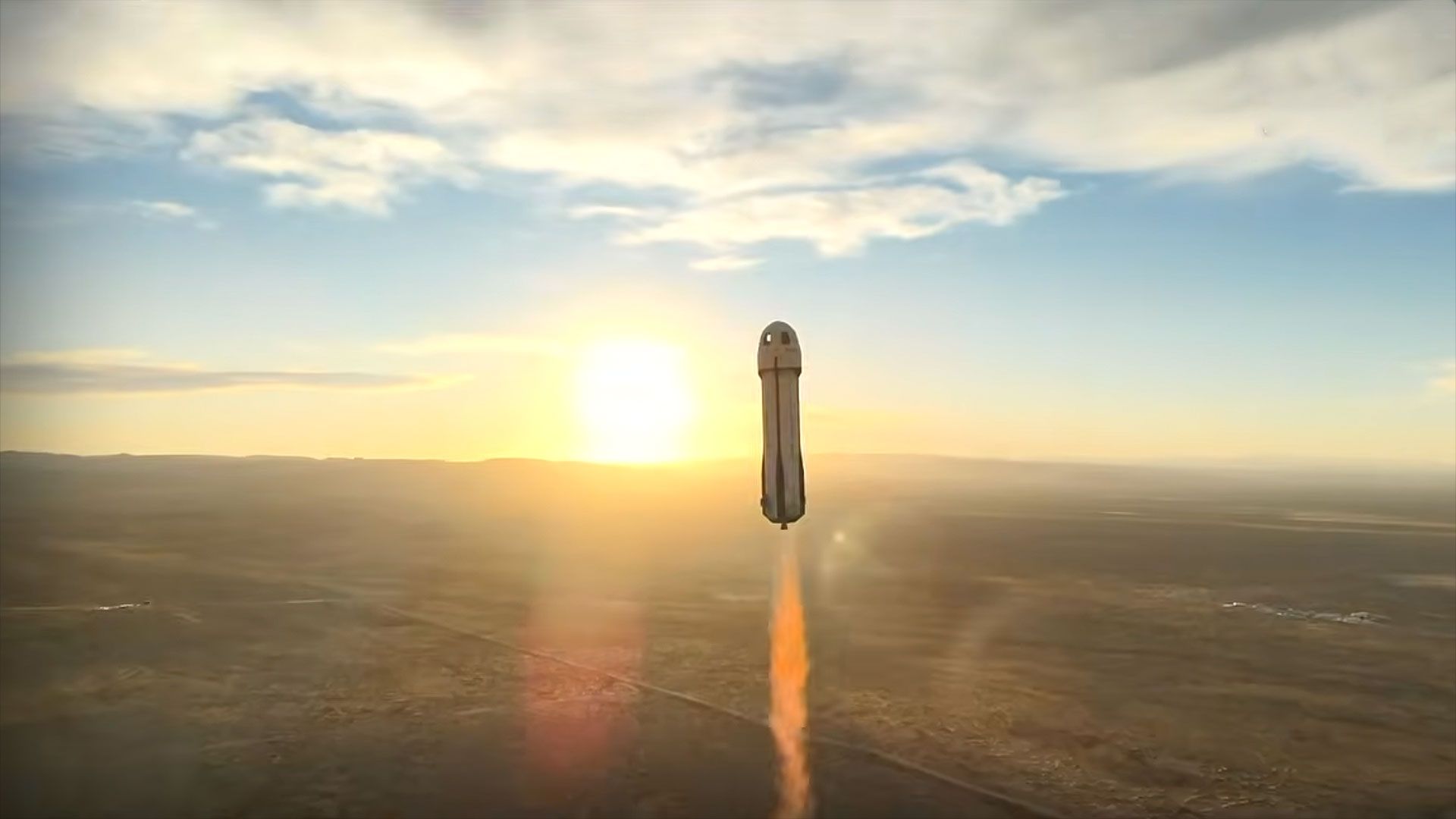
Blue Origin is scheduled to launch its NS-38 New Shepard suborbital mission from West Texas on Jan. 22 with six passengers aboard; the flight is the vehicle's 38th and follows 16 crewed missions out of 37 prior launches, with a 10–12 minute profile from liftoff to parachute-aided landing. The passenger manifest includes a mix of entrepreneurs, a retired Air Force colonel and Blue Origin’s New Shepard launch operations director (a late replacement for an ill crewmember); Blue Origin has not disclosed seat pricing (Virgin Galactic tickets run about $600,000), underscoring ongoing private-market commercialisation of suborbital tourism rather than any immediate material market-moving corporate or financial metrics.
Market structure: Blue Origin’s frequent New Shepard flights reinforce supply growth in the nascent suborbital tourism niche and increase operational comparators that matter most to public investor SPCE (Virgin Galactic). Short-term demand remains price-inelastic at the very top end (seats at ~$600k reported for SPCE), but incremental supply and opaque pricing from private Blue Origin threaten SPCE’s premium pricing power if Blue Origin discloses lower per-seat pricing within 3–12 months. Cross-asset impact will be concentrated: expect idiosyncratic moves in equities (SPCE, RKLB) and spikes in implied volatility around flights; macro bonds, FX and commodities are immaterial absent a systemic event.
Risk assessment: Tail risks center on a high-impact safety incident leading to a multi-month FAA probe, industry-wide grounding and a 30–70% re-rating for single-purpose space-tourism equities; insurance costs could rise 100–300 bps for operators, compressing margins. Near-term (days–weeks) effects are volatility spikes and retail flows; medium-term (3–12 months) depends on pricing disclosure and booking cadence; long-term (2–5 years) outcomes hinge on consolidation and regulation. Hidden dependency: SPCE’s public valuation relies on continuous positive PR and booking momentum — both fragile to an operational mishap.
Trade implications: Tactical options hedges around flight windows and regulatory announcements are efficient: buy 3-month put spreads on SPCE 15–25% OTM sized to 0.5–1.0% portfolio risk to protect versus a safety shock. Relative-value: consider a 1–2% long allocation to large-cap aerospace/defense (RTX, LMT) versus a 0.5–1% tactical short in SPCE to capture rotation from speculative tourism to durable defense cash flows over 3–12 months. Avoid levered exposure to pure-play retail space-tourism IPOs until pricing transparency or sustained booking data appears.
Contrarian angle: The market underestimates how operational cadence from a deep-pocketed private player (Blue Origin) can accelerate commoditization of suborbital rides and drive consolidation; an adverse event would be priced far more negatively than fundamentals justify for diversified aerospace contractors. Historical analog: commercial aviation shocks typically cause near-term plunges and multi-year regulatory tightening but eventual demand recovery over 12–36 months — position sizing should reflect that asymmetry.
AI-powered research, real-time alerts, and portfolio analytics for institutional investors.
Request DemoOverall Sentiment
neutral
Sentiment Score
0.00
Ticker Sentiment
