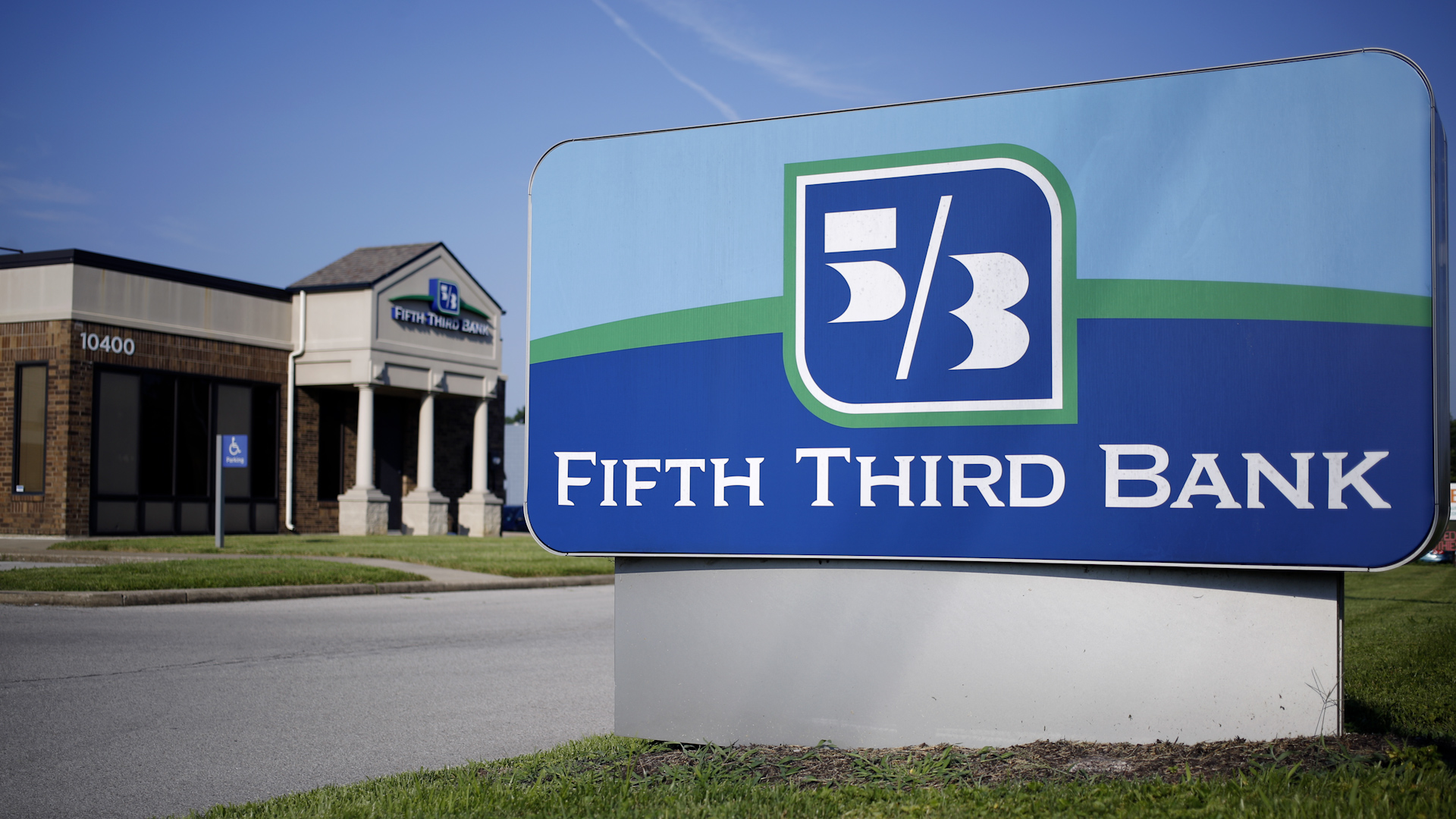
Fifth Third Bank Chairman, CEO & President Tim Spence anticipates one to two interest rate cuts this year, emphasizing the critical importance of rate stability for the benefit of everyday American consumers.
Fifth Third Bank's (FITB) Chairman and CEO, Tim Spence, projects one to two interest rate cuts this year, framing the move in terms of achieving rate stability to benefit American consumers. This executive-level forecast aligns with a moderately positive market sentiment, suggesting that monetary easing is viewed favorably for the broader economy. However, the specific sentiment for FITB is notably subdued at a near-neutral 0.2 score. This divergence implies that while rate cuts may improve consumer financial health and potentially lower credit risk for the bank, investors are likely weighing this against the negative impact of potential Net Interest Margin (NIM) compression, a common headwind for banks in a falling rate environment. Spence's focus on consumer benefit underscores a strategic view that improved borrower health is paramount, even if it introduces near-term pressure on bank profitability metrics.
AI-powered research, real-time alerts, and portfolio analytics for institutional investors.
Request DemoOverall Sentiment
moderately positive
Sentiment Score
0.50
Ticker Sentiment
