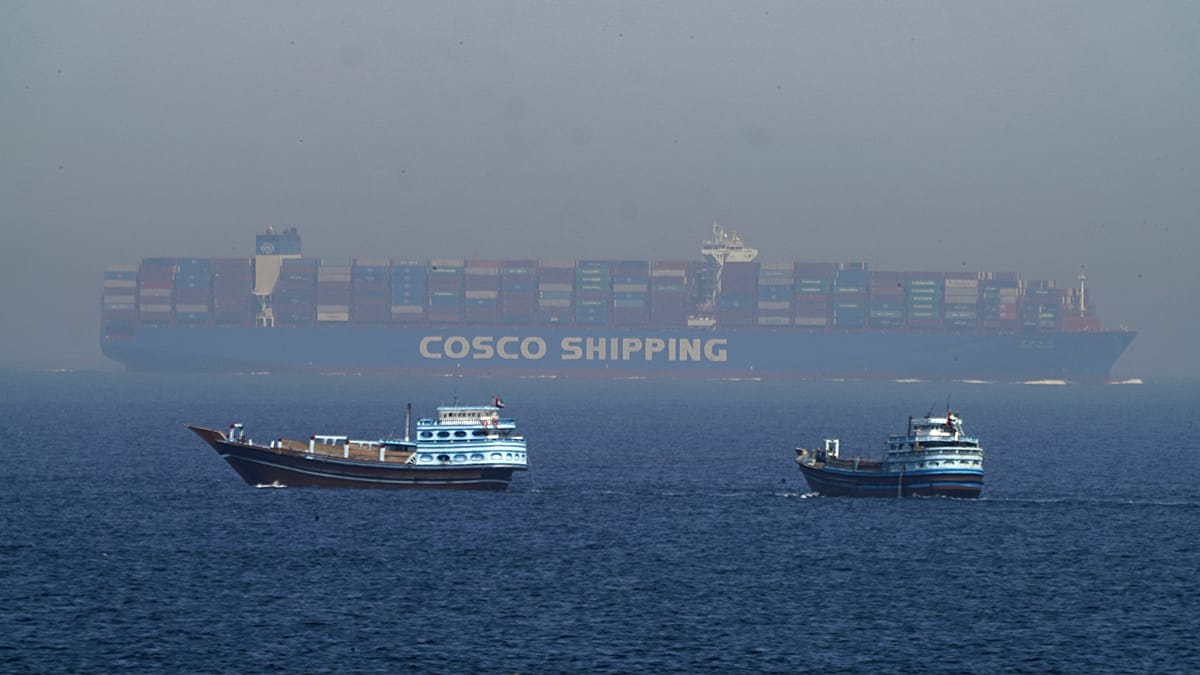
A powerful explosion struck an eight‑story residential building in Bandar Abbas, Iran, injuring 14 and killing a 4‑year‑old, with causes disputed between a reported gas leak and unexplained blasts; unverified claims that the IRGC Navy commander was targeted were denied by IRGC-linked media. Separately, Iranian authorities reported further deadly blasts in Ahvaz, and a planned Iran–China–Russia naval exercise in the Strait of Hormuz was reportedly postponed or called off amid CENTCOM warnings—elevating short‑term geopolitical risk to shipping and regional energy flows.
Market structure: Winners are oil producers and energy midstream (expect short-term Brent upside of $5–$15/bbl if regional shipping risk persists 1–4 weeks), and prime defense contractors (RTX, LMT, NOC) which get higher probability of near-term contract/stock-rally flows. Losers are Middle‑East exposed shipping, container/oil tanker owners, airlines (AAL, UAL) and EM credits — insurance and freight rates will rise, compressing margins for shippers and carriers. Cross-assets: expect a classic risk-off: T‑Notes rally (yields down 10–30bp intraday), USD and gold (GLD) bid, equity volatility up (VIX/VXX), and widening EMBI spreads by 50–150bp if incident escalates.
Risk assessment: Immediate (days) risk is localized damage and supply noise; short-term (weeks–months) risk is elevated premium in oil and insurance costs (tanker insurance up 2–3x observed in prior flareups), and FX/EM stress. Long-term (quarters) outcome depends on escalation: tail scenario (Strait of Hormuz closure) could remove 1–3 mb/d of seaborne supply and push Brent +$20–$50 within weeks and cause a global growth shock. Hidden dependencies: China/Russia non-deployment or cancelled drills materially lowers escalation probability; domestic Iranian operational failures (gas leaks/accidents) reduce geopolitical premium.
Trade implications: Tactical: modest energy longs and defense longs, selective shorts in airlines/shipping and EM sovereign credit — size conservatively 1–3% portfolio per idea with clear stop-losses. Use options to express asymmetric views: buy 45–90 day call spreads on XLE/XOM sized 1–2% and buy 30–60 day puts on UAL/AAL sized 0.5–1% to cap risk. Rotate into cyclicals and risk assets if Brent reverts <+$5 in 2–3 weeks; add if Brent >+$10 on sustained basis.
Contrarian angles: Consensus risk premia may be overdone if drills are cancelled and official Iranian releases point to domestic accidents — past similar incidents (2019 tanker attacks) saw price/volatility mean‑revert within 2–6 weeks. Mispricing opportunity: short overpriced freight/insurance plays and EM sovereign credit that widen >100bp absent material supply disruption. Catalyst watchlist (90 days): Brent moves, CENTCOM naval actions, OPEC+ statements, tanker AIS traffic declines >10%, and Russia/China naval dispatches; reverse positions if >2 of these de‑escalate.
AI-powered research, real-time alerts, and portfolio analytics for institutional investors.
Request DemoOverall Sentiment
moderately negative
Sentiment Score
-0.45
