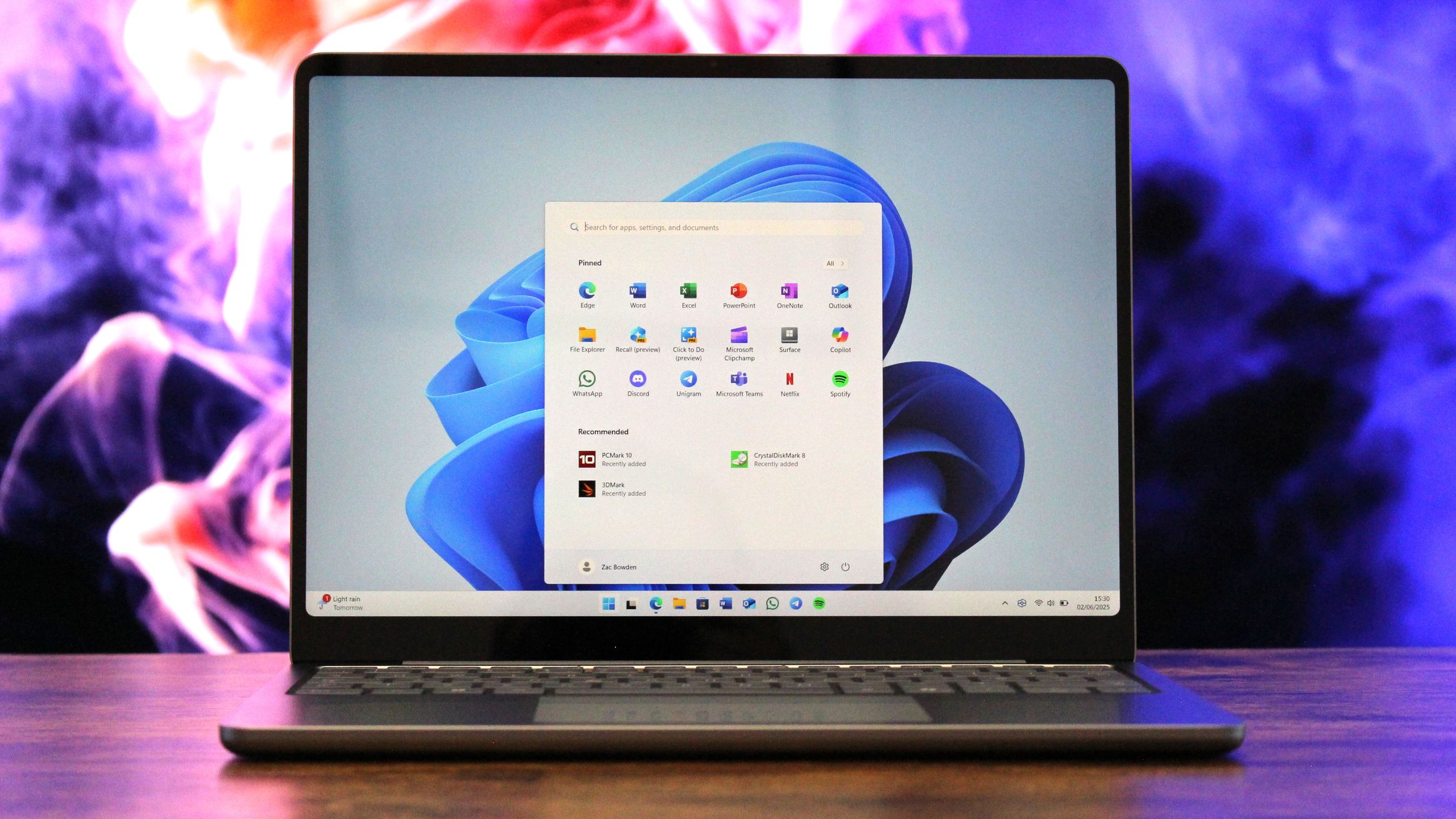
Windows 11's market position weakened in 2025 as aggressive AI integration (Copilot, agentic workspace), a 'Continuous Innovation' cadence and server-side Controlled Feature Rollouts produced frequent bugs, security/privacy concerns and inconsistent user experiences. The combination of eroded user trust and rising competitive threats from Google’s Android PCs, Valve’s SteamOS and a potential low-cost MacBook creates tangible adoption and OEM risks for Microsoft; the author recommends reverting to quarterly feature drops, eliminating CFR and tempering AI-first pushes to stabilize platform quality and preserve market share.
Market structure: Microsoft (MSFT) is the clear near-term loser — erosion of consumer trust plus forced AI/feature rollout reduces consumer pricing power and raises churn risk in low-end PC segments. Winners are Google (GOOGL) and Apple (AAPL) as potential beneficiaries of Android PCs and a lower-priced MacBook; OEMs (DELL, HPQ) are ambivalent — they can capture Android/Chromebook demand but lose if Mac pricing pressure accelerates. Cross-asset: weaker MSFT equity could widen tech credit spreads by 10–25bp and lift implied volatility in large-cap tech options; USD moves minimal but a sector rotation into AAPL/GOOGL could modestly strengthen USD on repatriated flows.
Risk assessment: Tail risks include a major data/privacy incident from agentic features triggering regulatory fines or forced opt-outs (6–18 months) and enterprise procurement freezes that hit MSFT revenue recognition (quarterly/annual). Immediate (days) risk is sentiment volatility; short-term (weeks–months) risk is negative press cycles and patch-related outages; long-term (quarters) risk is share-loss to Android PCs/Apple and erosion in consumer telemetry. Hidden dependencies: consumer UX declines can bleed into OEM sales and Windows licensing renewals; enterprise cloud moat buffers MSFT but may not offset consumer losses if hardware partners defect.
Trade implications: Favor tactical overweight AAPL/GOOGL and underweight MSFT. Use options to express asymmetric views: buy protective MSFT put spreads (3–6 month) rather than naked shorts; buy AAPL/GOOGL calls around rumored product windows (3–9 months). Pair trades (long AAPL or GOOGL, short MSFT) reduce beta and capture relative share shift. Rotate 3–6% portfolio from broad software to consumer hardware/cloud names over the next 2–8 weeks and reprice at next earnings cycle.
Contrarian angles: Consensus treats MSFT weakness as structural; that may be overdone — enterprise contracts and Azure growth could stabilize fundamentals within 2–4 quarters, creating a rebound if Microsoft tightens QA and dials back intrusive AI. Mispricing likely in short-dated MSFT volatility if fixes arrive; conversely AAPL/GOOGL enthusiasm may be undercut if Android PC rollouts are delayed beyond H1 2026. Unintended consequence: aggressive MSFT pivot to Windows 12 (free upgrade) could compress OEM margins but restore consumer sentiment, snubbing short-stayers.
AI-powered research, real-time alerts, and portfolio analytics for institutional investors.
Request DemoOverall Sentiment
strongly negative
Sentiment Score
-0.65
Ticker Sentiment
