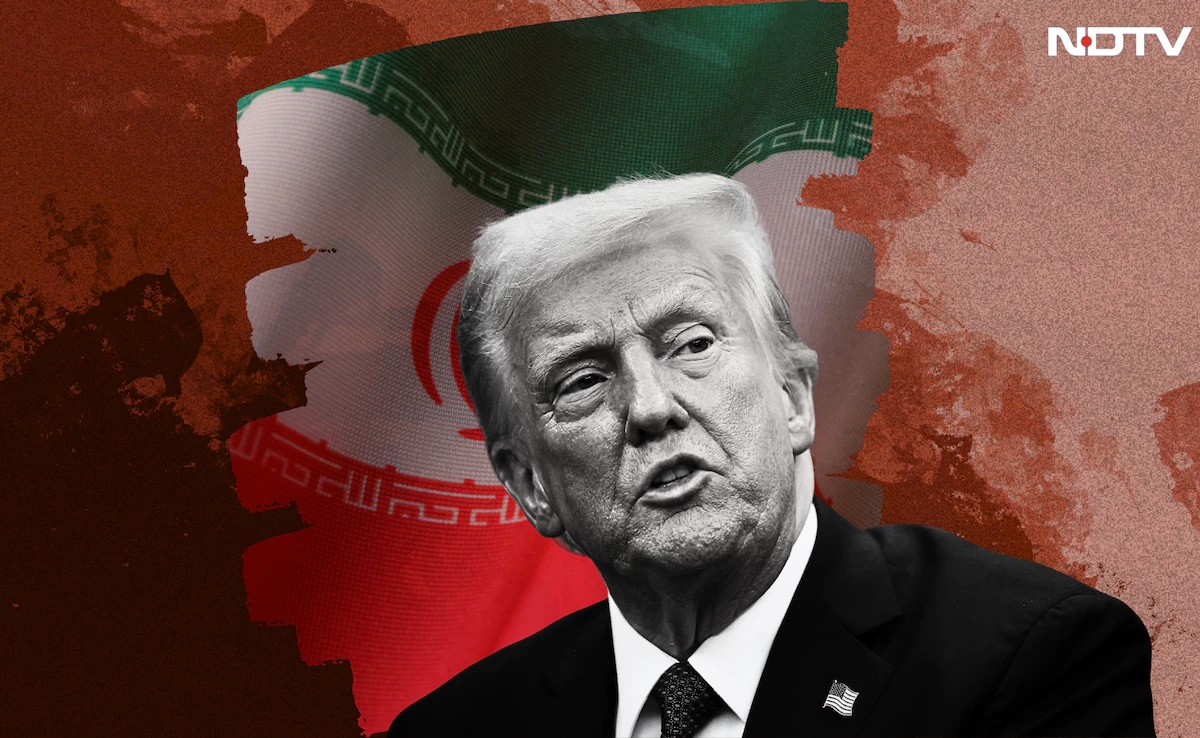
About $1.5bn of S&P 500 E-mini futures were bought and ~$192m of oil futures sold in the minutes before Donald Trump posted a 5-day pause on strikes in Iran; trades occurred ~15 minutes before the Truth Social post. S&P futures jumped ~2.5% pre-open and Brent plunged from $109 to as low as $92 (WTI briefly touched $88.70), with an estimated ~Rs 840 crore (~$100m+) profit realized in ~20 minutes. The timing and scale raise insider-trading and market-manipulation concerns; the SEC has not commented and the episode increased short-term market volatility.
A concentrated, pre-announcement flow in thin liquidity is a classic amplifier: a single large directional participant (or tightly coordinated algo cluster) can move prices and force dealer hedging that cascades into both front-month futures and short-dated options. That mechanism creates outsized short-term basis moves and transient dislocations between spot, front-month, and calendar spreads that are exploitable within hours-to-days but typically mean-revert once normal intraday liquidity returns.
Second-order microstructure effects matter more than headline directional exposure. Dealers who were short gamma will rebuild by buying into rallies and selling into dips, creating mechanically predictable follow-through flows in both equity futures and crude term-structure trades for 1–5 trading days; clearing-margin repricing after such events can also force deleveraging among levered funds, widening bid/offer spreads and increasing funding costs for small-cap and volatility-sensitive strategies.
On the regulatory and behavioral front, the tail risk is binary: a public probe that finds information leakage would raise persistent risk premia on policy-driven instruments for months, while a no-action outcome will institutionalize front-running strategies and raise the probability of repeat events. Time horizons: days for liquidity-driven reversion, weeks–months for dealer position-squaring and margin impacts, and quarters if regulatory scrutiny changes market access or disclosure practice.
AI-powered research, real-time alerts, and portfolio analytics for institutional investors.
Overall Sentiment
moderately negative
Sentiment Score
-0.35
Ticker Sentiment
