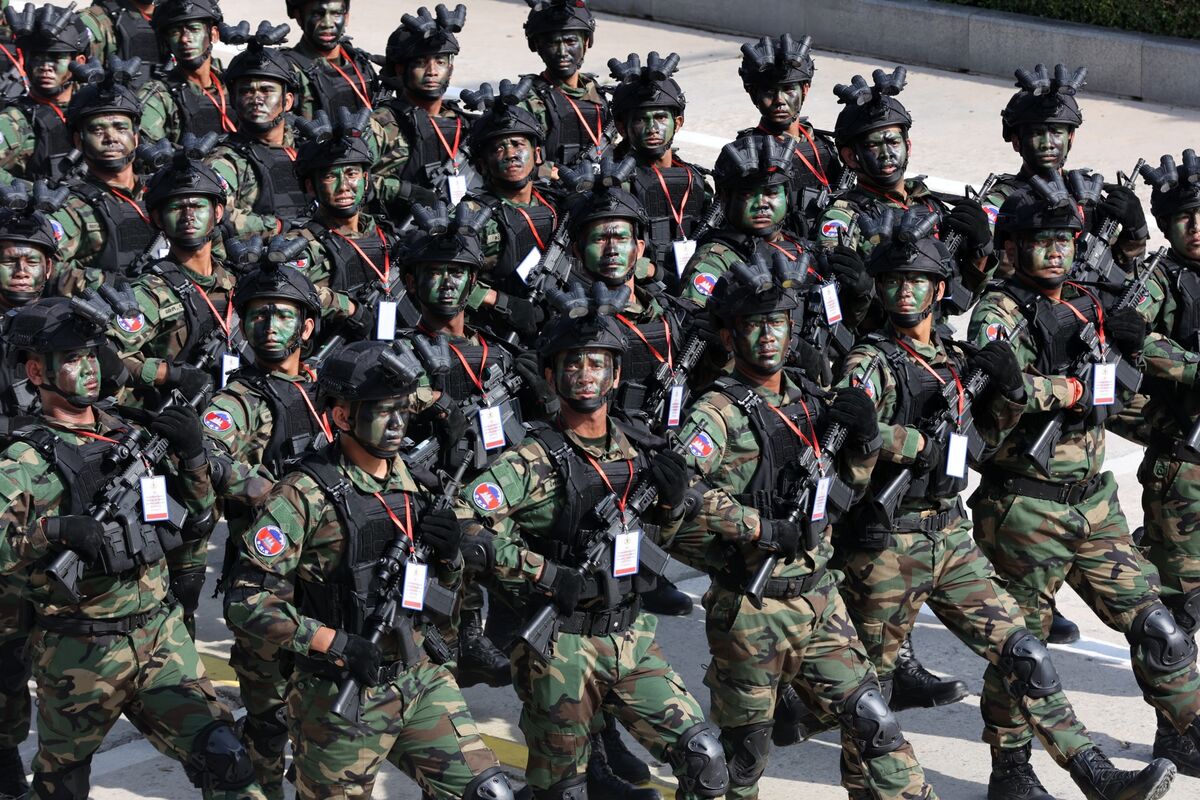
Thailand and Cambodia have closed multiple land border crossings, escalating tensions amid a political crisis in Thailand. The initial closure by the Thai army of a crossing in Buri Ram province prompted retaliation from Cambodia, which permanently shut down the same passage and an additional checkpoint. This action further strains relations between the two Southeast Asian nations as Thailand's Prime Minister Paetongtarn Shinawatra grapples with internal political challenges.
Bilateral tensions between Thailand and Cambodia have escalated, culminating in the closure of multiple border crossings in a tit-for-tat exchange. The initial move by the Thai army to shut a crossing in Buri Ram province was met with a swift retaliation from Cambodia, which permanently closed the same passage and an additional checkpoint. This geopolitical flare-up is compounded by domestic political instability in Thailand, where Prime Minister Paetongtarn Shinawatra's government is already navigating a crisis. The situation introduces significant uncertainty, reflected in the moderately negative sentiment score (-0.6), and carries direct economic implications by disrupting cross-border trade and movement. While the overall market impact is currently assessed as low-to-moderate, the permanence of Cambodia's closure and the interplay with Thailand's internal politics create a volatile environment, heightening risk for assets exposed to the region.
AI-powered research, real-time alerts, and portfolio analytics for institutional investors.
Request DemoOverall Sentiment
moderately negative
Sentiment Score
-0.60
